Shandong HeadPowder Engineering Co., Ltd. specializes in the design and implementation of advanced pneumatic conveying systems tailored for dry stone powder applications. With a focus on efficiency, reliability, and material integrity, our engineering solutions address the unique challenges associated with transporting fine to medium-sized particulate materials like dry stone powders. The following considerations are crucial for optimizing system performance and ensuring long-term operational success.
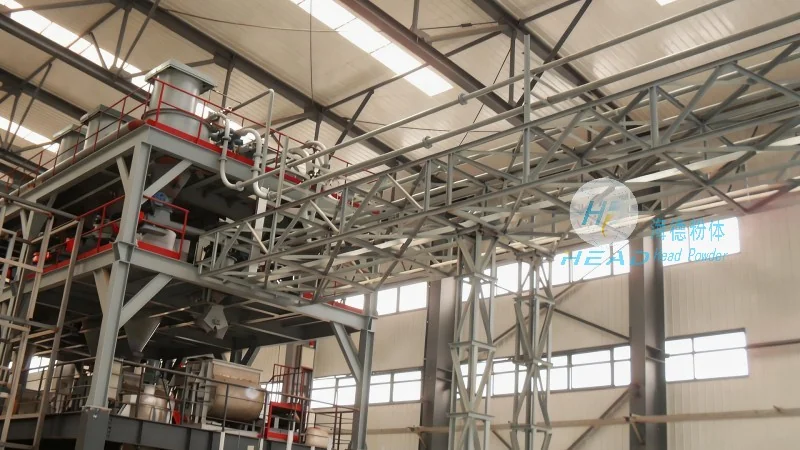
System Type Selection: Positive Pressure vs. Negative Pressure
Choosing the appropriate system type is the foundational step in designing a dry stone powder pneumatic conveying system. Positive pressure systems, where air is forced through the material, are ideal for long-distance or complex route applications, as they can maintain consistent material flow and prevent dust ingress. Negative pressure systems, which draw material into the system using suction, are often preferred for shorter distances or where dust containment is a priority. The selection depends on factors such as the distance between the source and destination, the need for dust control, and the material's characteristics. For dry stone powders, positive pressure systems are commonly recommended due to their ability to handle abrasive materials and maintain a stable flow rate.
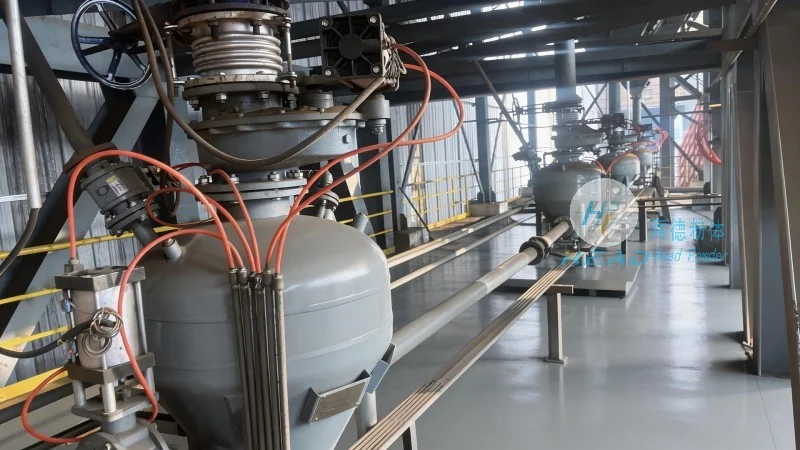
Pipeline Design and Sizing
The design of the pipeline is critical to the system's efficiency and longevity. Proper sizing of the pipeline diameter is essential to prevent excessive pressure drop and ensure smooth material transport. The diameter should be selected based on the material's particle size, flow rate, and the system's pressure. For dry stone powders, a larger diameter is often required to minimize friction and maintain a consistent velocity. The use of smooth, corrosion-resistant materials like stainless steel or PTFE-coated pipes is recommended to reduce wear and prevent material buildup. Additionally, the inclusion of appropriate bends, elbows, and valves is necessary to control flow direction and pressure. The design must account for potential blockages and ensure that the system can be easily cleaned and maintained.
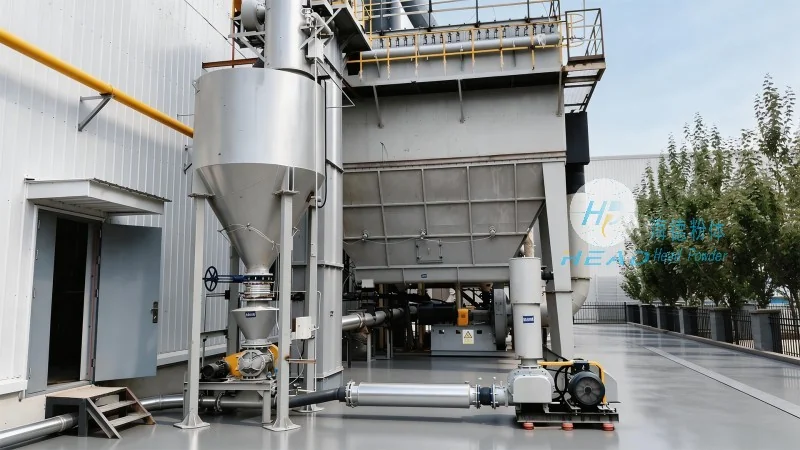
Pressure and Flow Control
Effective pressure and flow control are vital to prevent system overload and ensure consistent material delivery. The system's pressure must be carefully regulated to match the material's characteristics and the pipeline's resistance. Overpressurization can lead to material degradation or system damage, while underpressurization may cause flow interruptions. Flow control devices, such as rotary valves or pressure regulators, are essential to maintain a stable flow rate. For dry stone powders, which can be abrasive, the use of wear-resistant components is crucial to extend the system's lifespan. The control system should also include monitoring capabilities to detect pressure fluctuations and adjust the flow accordingly.
Material Handling Equipment Selection
The selection of equipment such as feeders, separators, and air compressors directly impacts the system's performance. Rotary feeders are commonly used for dry stone powders due to their ability to handle fine to medium-sized particles and maintain a consistent feed rate. The feeder must be designed to prevent material bridging and ensure smooth discharge. Separators are used to separate the conveyed material from the air stream, and their design must account for the material's density and particle size. The air compressor must be capable of providing sufficient pressure and volume to meet the system's requirements. The choice of equipment should be based on the material's properties, the system's capacity, and the operational environment.
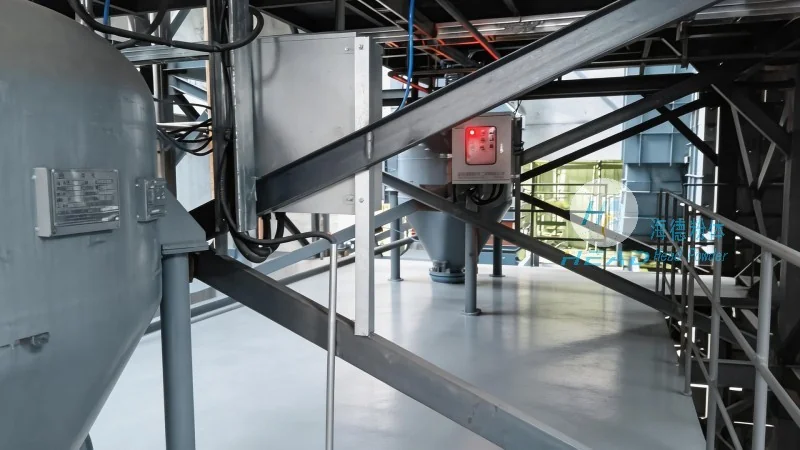
Maintenance and Operational Considerations
Regular maintenance is essential to ensure the long-term reliability of the pneumatic conveying system. This includes inspecting and replacing wear parts, cleaning the system, and monitoring pressure and flow parameters. The system should be designed with easy access to components for maintenance, reducing downtime. Operational considerations also include training personnel on proper system operation and troubleshooting. By following these guidelines, the system can operate efficiently and deliver consistent performance over its lifespan.




