HeadPowder, a leading provider in the field of material handling solutions, specializes in the design, manufacturing, and implementation of pneumatic conveying systems for various industrial applications. This article delves into the fundamental working principles of stone aggregate pneumatic conveying, along with an overview of its classification and practical applications. The company, based in Shandong, China, leverages advanced engineering expertise to deliver efficient and reliable systems tailored to meet the diverse needs of construction, mining, and other related industries.
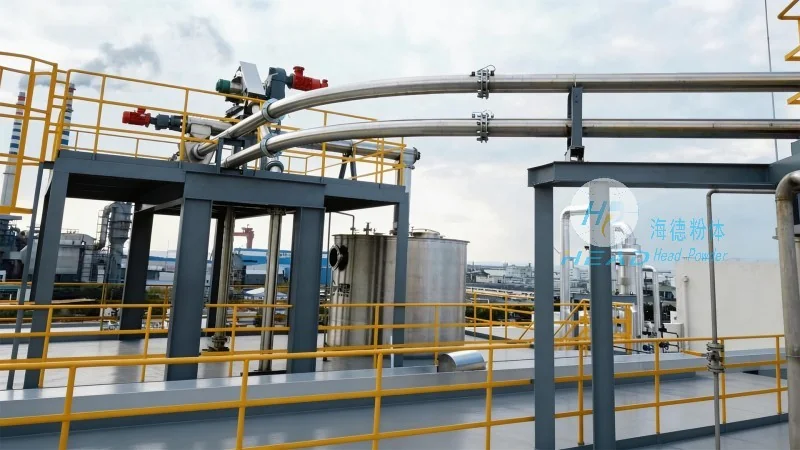
Understanding the Working Principle of Stone Aggregate Pneumatic Conveying
Pneumatic conveying is a method of transporting bulk materials, such as stone aggregates, through a pipeline using a gas stream, typically air or a combination of air and other gases. The core working principle revolves around creating a pressure differential within the system to move the material from the source to the destination. There are two primary mechanisms: pressure and vacuum. In pressure systems, compressed air is introduced at the material feed point, generating a positive pressure that pushes the material through the pipeline. Conversely, vacuum systems use a vacuum pump to create a negative pressure, drawing the material into the pipeline. The choice between these systems depends on factors like material characteristics, distance, and system complexity.
The process begins with the material being fed into the conveying system, often via a hopper or a feeder. The material is then introduced into the pipeline where it is mixed with the gas stream. The gas velocity must be sufficient to overcome the gravitational and frictional forces acting on the material particles, ensuring stable transport. The design of the conveying line, including the diameter, length, and bends, is critical to maintaining the required gas velocity and preventing material deposition or blockages. HeadPowder's engineering team employs sophisticated computational fluid dynamics (CFD) and material flow analysis to optimize system design and ensure efficient operation.
Classification of Pneumatic Conveying Systems for Stone Aggregates
Stone aggregate pneumatic conveying systems can be classified based on several key parameters, including the gas velocity, the material's behavior within the pipeline, and the system's operational pressure. The most common classifications are:
1. Dilute Phase Pneumatic Conveying
Dilute phase systems operate at relatively high gas velocities, typically ranging from 20 to 30 meters per second. In this mode, the material particles are suspended in the gas stream, resembling a cloud or mist. This method is suitable for transporting fine to medium-sized aggregates over moderate distances, as the high velocity minimizes the risk of particle segregation and blockages. HeadPowder's dilute phase systems are designed with high-efficiency blowers and optimized pipeline layouts to ensure consistent material flow and minimal pressure drop.
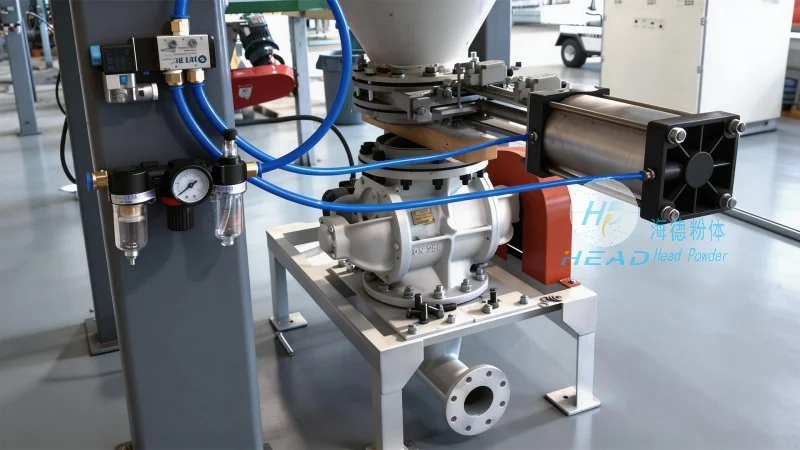
2. Dense Phase Pneumatic Conveying
Dense phase systems operate at lower gas velocities, often around 5 to 15 meters per second, and involve a higher proportion of material to gas. The material moves in a plug or slug flow, where particles are closely packed and move in discrete segments. This mode is ideal for transporting abrasive or sensitive materials, as it reduces particle impact and wear on the pipeline and equipment. Dense phase conveying also allows for longer transport distances and can handle larger particle sizes compared to dilute phase systems. HeadPowder offers dense phase solutions with controlled pressure and flow rates to protect both the material and the system components.
3. Hybrid Pneumatic Conveying
Hybrid systems combine elements of both dilute and dense phase operations, offering flexibility in handling different material types and transport requirements. These systems may use a combination of high and low gas velocities along the pipeline, or employ multiple stages of conveying. HeadPowder's hybrid solutions are particularly effective for complex applications where material characteristics vary, such as transporting a mix of fine and coarse aggregates or handling materials with varying moisture content.
Applications of Stone Aggregate Pneumatic Conveying
The versatility of pneumatic conveying makes it a preferred method for transporting stone aggregates in various industrial settings. Some of the key applications include:
1. Construction and Building Materials
In the construction industry, stone aggregates are essential components for concrete production, road paving, and building foundations. Pneumatic conveying systems enable efficient and dust-free transport of aggregates from storage silos or quarries to mixing plants or construction sites. HeadPowder's systems have been successfully implemented in concrete batching plants, where reliable material supply is critical for maintaining production schedules and ensuring quality control. The ability to handle large volumes of aggregates with minimal labor and space requirements makes pneumatic conveying an attractive option for modern construction projects.
2. Mining and Quarry Operations
Quarries and mining operations require efficient methods to transport crushed stone and other mineral products from extraction sites to processing facilities or storage areas. Pneumatic conveying systems offer a cost-effective and environmentally friendly solution compared to traditional truck transport, reducing emissions and operational costs. HeadPowder has provided customized pneumatic conveying solutions for mining companies, including systems designed to handle abrasive materials and withstand harsh environmental conditions. The systems are engineered to minimize downtime and maximize throughput, contributing to improved operational efficiency in mining operations.
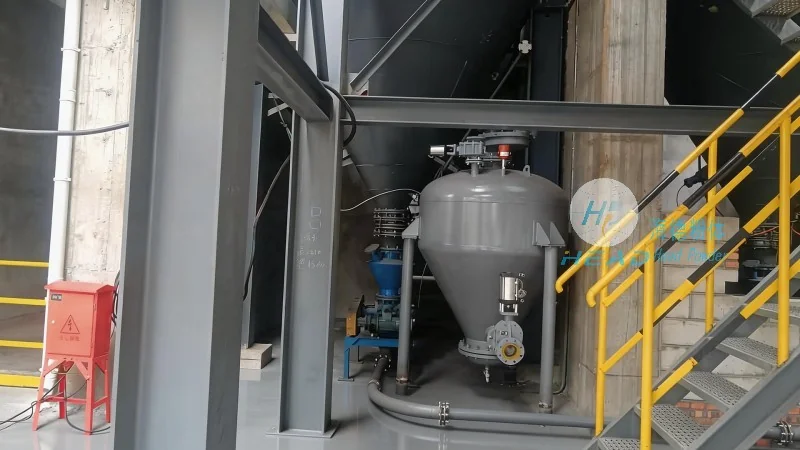
3. Recycled Material Processing
With increasing emphasis on sustainability, the recycling of construction and demolition waste is gaining importance. Pneumatic conveying plays a crucial role in processing recycled aggregates, transporting them from sorting facilities to recycling plants or construction sites. HeadPowder's systems are designed to handle recycled materials, which often have higher moisture content and more variable particle sizes. The company's expertise in material handling ensures that the conveying process is efficient and does not compromise the quality of the recycled aggregates.
4. Industrial Manufacturing
Beyond construction and mining, stone aggregates are used in various industrial applications, such as the production of asphalt, ceramics, and other building materials. Pneumatic conveying systems are used to transport these materials within manufacturing facilities, ensuring a continuous supply of raw materials to production lines. HeadPowder's systems are tailored to meet the specific requirements of industrial manufacturing, including high-temperature and high-pressure environments, and are equipped with features like temperature control and material filtration to maintain product quality.
Advantages and Considerations for Stone Aggregate Pneumatic Conveying
Implementing pneumatic conveying systems for stone aggregates offers several advantages, including:
1. Efficiency and Speed: Pneumatic systems can transport large volumes of material quickly and continuously, reducing production downtime and increasing overall throughput.
2. Space and Labor Savings: Unlike traditional methods that require large storage areas and manual handling, pneumatic conveying systems are compact and can be integrated into existing facilities, reducing the need for additional labor.
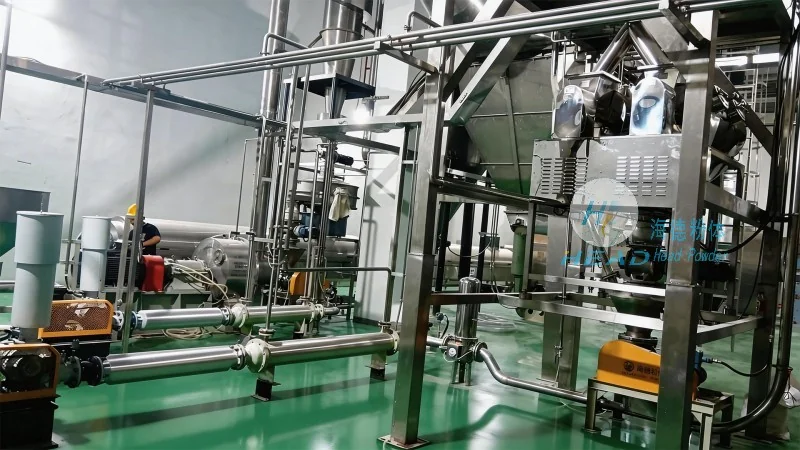
3. Dust Control: Enclosed systems minimize dust emissions, improving workplace safety and compliance with environmental regulations.
4. Reduced Maintenance: Properly designed and maintained pneumatic systems have lower maintenance requirements compared to other bulk material handling methods, as they involve fewer moving parts and less wear on equipment.
However, there are also considerations to keep in mind when selecting a pneumatic conveying system for stone aggregates. These include the material's properties, such as particle size, density, and abrasiveness, which can affect system performance and component lifespan. The distance and layout of the conveying line are critical factors, as they impact the required pressure and energy consumption. HeadPowder's engineering team conducts thorough assessments of these factors to design systems that are both efficient and cost-effective.
Conclusion
Stone aggregate pneumatic conveying is a sophisticated and efficient method for transporting bulk materials, offering numerous benefits over traditional handling techniques. With its ability to handle a wide range of material types and operational conditions, this technology is increasingly being adopted in various industries. HeadPowder, with its expertise and commitment to quality, continues to provide innovative pneumatic conveying solutions that meet the evolving needs of the construction, mining, and manufacturing sectors. By leveraging advanced engineering and tailored system designs, HeadPowder ensures that its clients achieve optimal performance, reliability, and cost-effectiveness in their material handling operations.




