Pneumatic conveying is a critical technology in the handling and transportation of powders and granules, including specialized chemical substances like amino acetic acid. This method leverages air flow to move materials through a system of pipes and components, offering a flexible and efficient solution for industries that require precise and controlled material transfer. For companies dealing with amino acetic acid, understanding the principles and benefits of pneumatic conveying is essential to optimize their material handling processes and ensure product integrity.
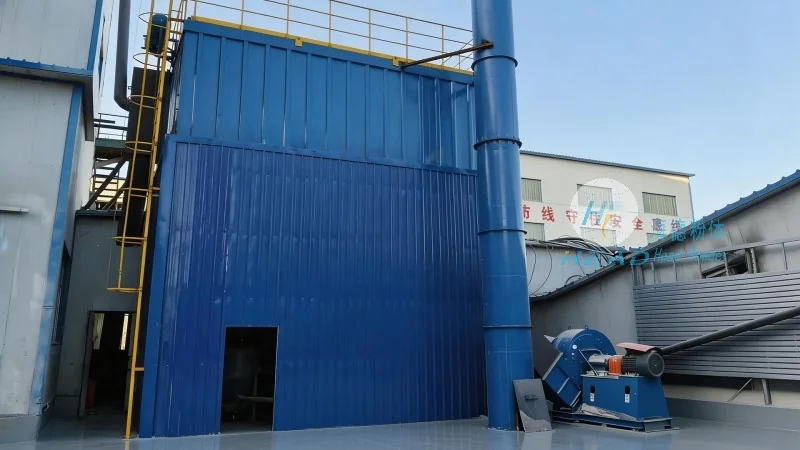
Key Features of Amino Acetic Acid and Its Handling Requirements
Amino acetic acid, also known as glycine, is a simple amino acid with applications in pharmaceuticals, food additives, and chemical synthesis. Its handling requires careful consideration due to its fine particle size and potential for dust generation. Traditional methods like manual handling or mechanical conveyors may pose challenges such as dust exposure, material degradation, and inefficiencies. Pneumatic conveying systems address these challenges by providing a closed-loop environment that minimizes contamination and ensures consistent material flow. The system’s design, including the choice of air velocity, pipe diameter, and material feed mechanisms, is tailored to the specific properties of amino acetic acid, ensuring safe and effective transportation.
How Pneumatic Conveying Works: Core Components and Principles
The pneumatic conveying system for amino acetic acid typically consists of several key components, including a material feeder, air compressor, conveying pipes, and a receiver or discharge unit. The process begins with the material being fed into the system, often through a hopper or rotary valve, which controls the flow rate. Compressed air is then introduced into the system, creating a flow that lifts and transports the powder particles through the pipes. The air velocity is carefully managed to ensure that the particles are suspended and moved efficiently without causing excessive wear on the system components. The receiver at the end of the line collects the transported material, completing the cycle. This closed-loop system minimizes material loss and environmental impact, making it an environmentally friendly option for amino acetic acid handling.
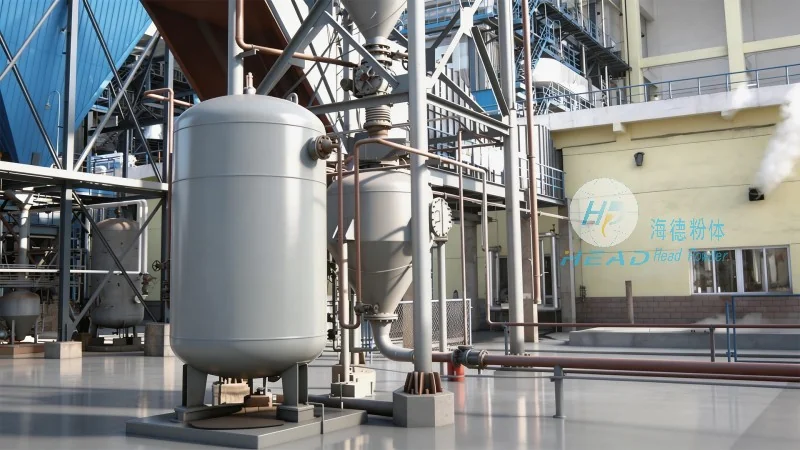
Advantages of Using Pneumatic Conveying for Amino Acetic Acid
Compared to traditional material handling methods, pneumatic conveying offers several advantages for amino acetic acid transportation. First, it provides a dust-free environment, reducing the risk of inhalation hazards and contamination. This is particularly important for amino acetic acid, which may have health implications if not handled properly. Second, the system allows for precise control over material flow rates and pressure, ensuring consistent product quality. Third, it reduces material degradation by minimizing contact with external elements and mechanical stress. Additionally, pneumatic conveying systems are flexible and can be easily integrated into existing production lines, adapting to changes in production volume or material types. The closed-loop design also helps in maintaining material purity, which is crucial for applications in pharmaceuticals and food industries.
Customization and Scalability: Tailoring Pneumatic Conveying Solutions for Specific Needs
Shandong HeadPowder Engineering Co., Ltd., a leading provider of material handling solutions, specializes in designing and manufacturing customized pneumatic conveying systems for amino acetic acid and other fine powders. The company’s expertise lies in understanding the unique requirements of each application and tailoring the system to meet those needs. Whether it’s a small-scale laboratory setup or a large industrial production line, HeadPowder offers scalable solutions that can be adjusted to handle varying material volumes and flow rates. The company’s engineers work closely with clients to assess their specific handling challenges, such as material properties, production capacity, and environmental regulations, and develop a system that maximizes efficiency and safety. This customization ensures that the pneumatic conveying system not only meets the current needs of the business but also adapts to future growth and changes in material handling requirements.
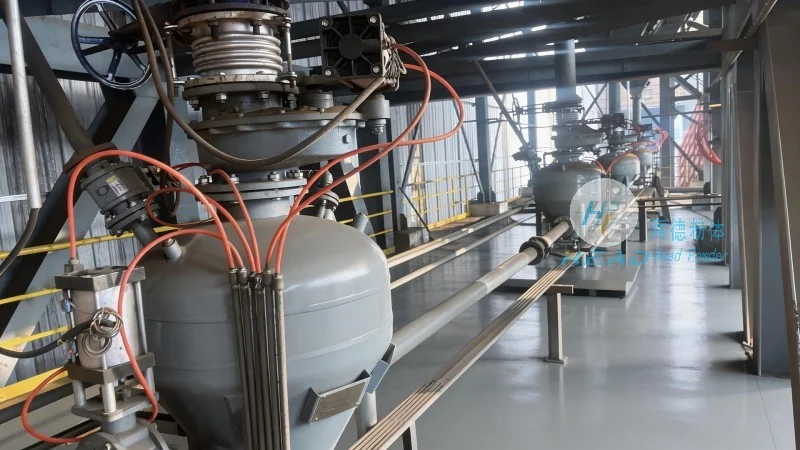
Case Studies and Real-World Applications
HeadPowder has successfully implemented pneumatic conveying systems for amino acetic acid in various industries, demonstrating the effectiveness of their solutions. For example, in a pharmaceutical manufacturing facility, the company installed a closed-loop pneumatic conveying system that reduced dust exposure and improved material flow consistency, leading to higher product quality and reduced downtime. In another case, a food additive manufacturer used HeadPowder’s system to transport amino acetic acid to a blending unit, achieving a 20% increase in production efficiency and a 15% reduction in material handling costs. These success stories highlight the practical benefits of pneumatic conveying for amino acetic acid, emphasizing its role in enhancing operational efficiency and product safety.
Conclusion: Enhancing Efficiency and Safety in Amino Acetic Acid Handling
Pneumatic conveying is a highly effective method for efficiently and safely transporting amino acetic acid and other fine powders. By leveraging air flow to move materials through a closed-loop system, this technology addresses the challenges of dust generation, material degradation, and inefficient handling. The advantages of precision control, environmental friendliness, and scalability make pneumatic conveying an ideal solution for industries that require high-quality material handling. With the expertise of companies like Shandong HeadPowder Engineering Co., Ltd., businesses can implement customized pneumatic conveying systems that meet their specific needs, ensuring optimal performance and safety in amino acetic acid handling. As the demand for efficient material handling continues to grow, pneumatic conveying remains a reliable and sustainable solution for transporting amino acetic acid and other critical powders.




