When it comes to transporting calcite, a common mineral used in various industries, the selection of conveying method plays a crucial role in efficiency, cost, and operational safety. Two primary approaches are widely considered: positive pressure conveying and negative pressure conveying. Each method has its own set of advantages and disadvantages, making it essential to understand the key differences to make an informed decision. This article aims to provide a comprehensive guide on how to distinguish between these two methods and choose the most suitable one for calcite handling applications.
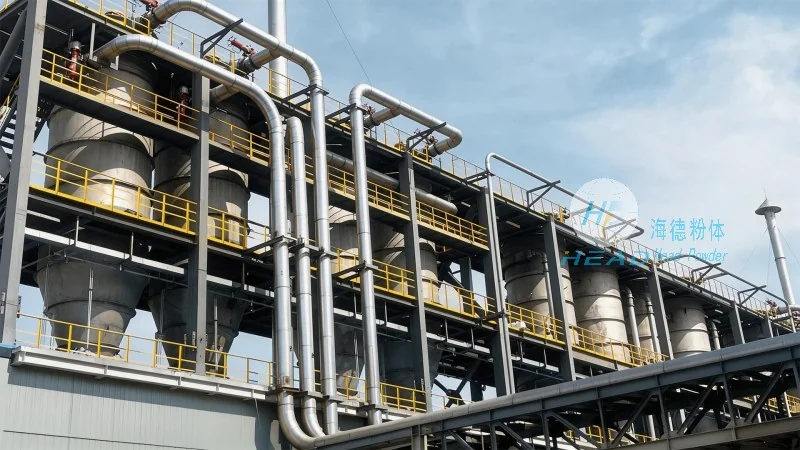
Positive Pressure Conveying: Advantages and Considerations
Positive pressure conveying, as the name suggests, involves forcing air or gas through the conveying system under pressure. This method is often preferred for calcite due to its ability to handle a wide range of particle sizes and moisture content. The pressurized air creates a consistent flow, ensuring that the material is transported smoothly without clogging. One of the significant benefits is the reduced risk of dust emission, as the system is sealed and the air is contained. Additionally, positive pressure systems are generally more reliable for long-distance conveying, as they can maintain consistent pressure and flow rates. However, they require more energy to operate, as the air is continuously compressed. The equipment used, such as blowers and positive displacement pumps, may also be more expensive upfront. It is also important to consider the environmental impact, as the pressurized air can contribute to noise pollution and require proper ventilation to manage air quality.
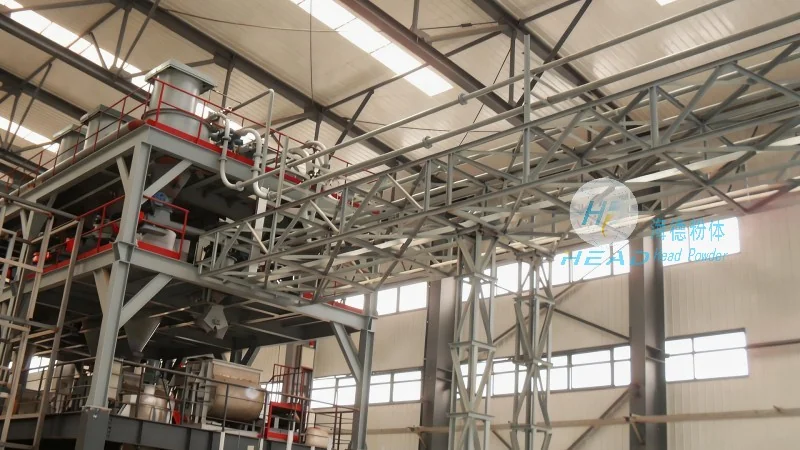
Negative Pressure Conveying: Advantages and Considerations
Negative pressure conveying, or suction conveying, operates by creating a vacuum or negative pressure within the system. This method draws the material into the conveying line using the pressure difference between the intake and the discharge. Negative pressure systems are often more energy-efficient compared to positive pressure systems, as they do not require the continuous compression of air. They are particularly suitable for applications where the material is light and has low moisture content, as the vacuum helps to lift the material without the need for high pressure. Another advantage is the lower initial cost of equipment, as suction blowers are generally less expensive than their positive pressure counterparts. However, negative pressure conveying has its limitations. It is less effective for handling large or heavy particles, as the vacuum may not be strong enough to move them efficiently. Additionally, the system is more prone to dust emission, as the air is drawn in from the environment, potentially leading to increased air pollution and the need for additional filtration systems. The risk of clogging is also higher in negative pressure systems, as the material may settle in the lines if the vacuum is insufficient.
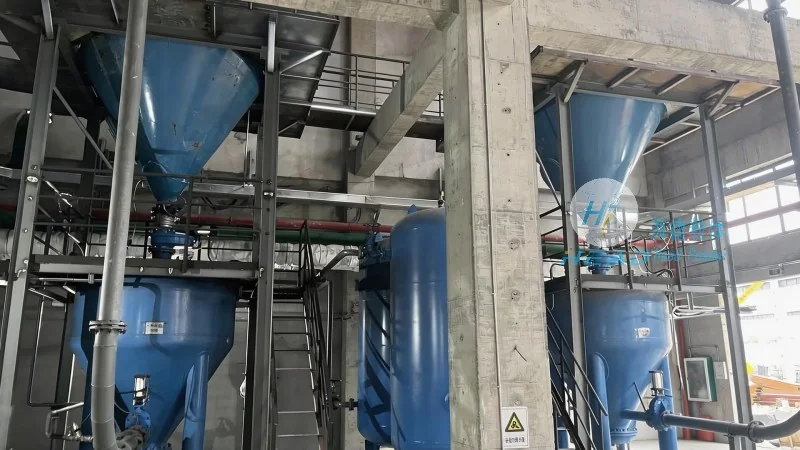
Distinguishing Between Positive and Negative Pressure Conveying for Calcite
To determine which conveying method is best for calcite, several factors must be evaluated. First, consider the particle size and density of the calcite. Positive pressure systems are generally more suitable for larger or denser particles, as they can maintain consistent flow and prevent clogging. In contrast, negative pressure systems may be more effective for finer particles, as the vacuum can help to lift them more easily. Second, assess the moisture content of the calcite. If the material is highly moist, positive pressure conveying may be preferred, as the pressurized air can help to dry the particles and prevent clumping. Conversely, if the material is dry and light, negative pressure conveying could be more energy-efficient. Third, evaluate the conveying distance and layout. For long-distance conveying, positive pressure systems are often more reliable, as they can maintain pressure over longer distances. For shorter distances or within enclosed spaces, negative pressure systems may be sufficient. Fourth, consider the environmental and operational constraints. If noise pollution is a concern, negative pressure systems may be preferred, as they are generally quieter. However, if dust emission control is critical, positive pressure systems offer better sealing and reduced emissions. Finally, the cost of equipment and maintenance should be taken into account. Positive pressure systems may have higher upfront costs but lower long-term maintenance, while negative pressure systems may have lower initial costs but higher maintenance due to the need for more frequent cleaning and filter replacement.
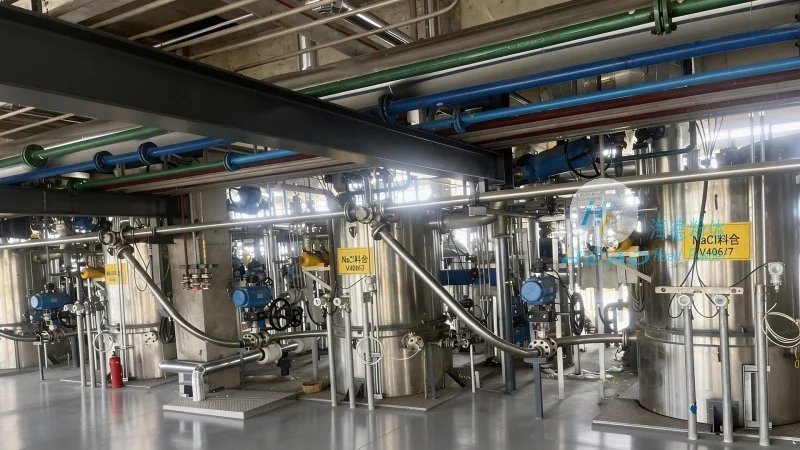
Conclusion and Recommendations
Choosing between positive and negative pressure conveying for calcite requires a careful analysis of the specific application requirements. Positive pressure conveying is ideal for applications involving larger, denser particles, longer conveying distances, and strict dust emission control. It offers consistent performance and reliability but at a higher energy and equipment cost. Negative pressure conveying is suitable for finer, lighter particles, shorter distances, and applications where energy efficiency and lower initial costs are prioritized. However, it may require additional measures to control dust and prevent clogging. Ultimately, the decision should be based on a balance of operational efficiency, cost, and environmental considerations. Consulting with experts from companies like Shandong HeadPowder Engineering Co., Ltd., which specializes in calcite handling solutions, can provide valuable insights and help in selecting the most appropriate conveying method for your specific needs.




