When it comes to transporting carbon fiber materials, selecting the right conveying method is crucial for efficiency, safety, and material integrity. Two primary approaches are widely used: positive pressure conveying and negative pressure conveying. Each method has its own advantages and is suitable for different applications. Understanding the distinctions between these two systems is essential for making an informed decision that aligns with your operational needs. This article will explore the characteristics of both positive and negative pressure conveying for carbon fiber, helping you determine which option is best for your specific requirements.
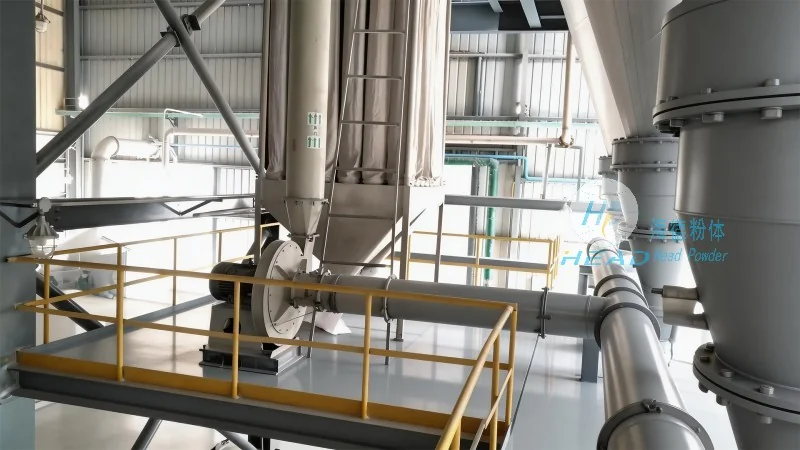
Understanding Positive Pressure Conveying for Carbon Fiber
Positive pressure conveying systems operate by using a blower or fan to generate air pressure that pushes material through a pipeline. In the context of carbon fiber handling, this method is often employed when dealing with abrasive or lightweight powders. The high-pressure air stream effectively transports the material from the source to the destination, ensuring consistent flow rates and minimizing material degradation. A key advantage of positive pressure systems is their ability to handle materials with high moisture content or those that are prone to caking, as the forceful air flow prevents agglomeration. For carbon fiber applications, positive pressure conveying is particularly effective when the material needs to be transported over longer distances or through complex piping networks. The system typically includes a dust collector or filter to capture any airborne particles, ensuring compliance with environmental regulations and maintaining a clean working environment. Shandong HeadPowder Engineering Co., Ltd., a leading manufacturer in material handling solutions, specializes in designing and implementing positive pressure conveying systems tailored to the unique demands of carbon fiber processing. Their expertise in engineering ensures that the equipment is optimized for efficiency and durability, providing reliable performance in industrial settings.
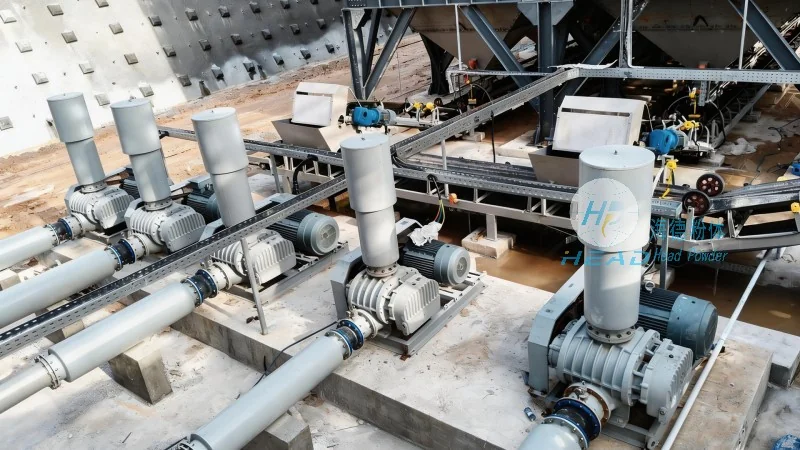
Understanding Negative Pressure Conveying for Carbon Fiber
Negative pressure conveying, also known as vacuum conveying, works by creating a low-pressure zone that draws material into the pipeline. This method is commonly used for transporting fine powders and is particularly suitable for carbon fiber due to its light weight and potential for dust generation. The vacuum system pulls the material from the hopper or storage container into the conveying line, using a combination of suction and air flow. One of the main benefits of negative pressure systems is their ability to handle materials that are sensitive to pressure changes or those that require gentle handling to avoid particle breakage. This is especially important for carbon fiber, as excessive force can damage the fibers and reduce their mechanical properties. Negative pressure conveying is often preferred when the material needs to be transported from multiple sources or when the destination is at a lower elevation than the source. The system typically includes a filter or cyclone to separate the material from the air, preventing contamination and ensuring that the material remains clean. Shandong HeadPowder Engineering Co., Ltd. also offers negative pressure conveying solutions that are designed to minimize energy consumption while maintaining high material recovery rates. Their systems are equipped with advanced controls that allow for precise adjustment of suction pressure, ensuring optimal performance for different carbon fiber types.
Key Factors to Consider When Choosing Between Positive and Negative Pressure Systems
When deciding between positive and negative pressure conveying for carbon fiber, several factors must be evaluated to ensure the best fit for your operation. The first consideration is the material properties, such as particle size, density, and moisture content. For example, if the carbon fiber is very fine and lightweight, negative pressure may be more suitable to avoid material loss or clogging. Conversely, if the material is abrasive or has high moisture levels, positive pressure might be preferred to prevent agglomeration and ensure consistent flow. The distance and layout of the conveying system are also critical. Positive pressure systems are generally better for longer distances or complex layouts, as they can maintain high pressure throughout the pipeline. Negative pressure systems, on the other hand, are more effective for shorter distances or when the material needs to be transported from multiple points. The available space and infrastructure at the facility should also be taken into account. Positive pressure systems require more space for the blower and ductwork, while negative pressure systems may need additional space for the filter and vacuum pump. The cost of implementation and maintenance is another important factor. Positive pressure systems often have higher initial costs due to the need for powerful blowers and robust piping, but they may offer lower long-term maintenance costs. Negative pressure systems, while initially less expensive, may require more frequent filter changes and maintenance to keep the system operating efficiently. Finally, environmental and safety regulations should be considered. Both systems must comply with local air quality standards, but negative pressure systems may generate more noise due to the vacuum pump, which could be a concern in certain work environments. Shandong HeadPowder Engineering Co., Ltd. provides comprehensive guidance on these factors, helping customers select the most appropriate conveying method based on their specific needs and operational constraints.
Conclusion
Choosing between positive and negative pressure conveying for carbon fiber requires a careful evaluation of material characteristics, operational requirements, and system constraints. Both methods have their unique advantages and are suitable for different applications. Positive pressure conveying is ideal for handling abrasive or moisture-rich materials over longer distances, while negative pressure conveying is better suited for fine, lightweight materials that require gentle handling. By understanding the distinctions between these two systems and considering key factors such as material properties, distance, and cost, you can make an informed decision that enhances efficiency and ensures the integrity of your carbon fiber material. Shandong HeadPowder Engineering Co., Ltd. offers expert solutions in both positive and negative pressure conveying, providing customized systems that meet the specific demands of carbon fiber processing. Their commitment to quality and innovation ensures that customers receive reliable and efficient material handling solutions that contribute to improved productivity and safety in their operations.




