When it comes to transporting quartz sand powder, selecting the right conveying method is crucial for efficiency, cost-effectiveness, and operational safety. Two primary approaches dominate the industry: positive pressure conveying and negative pressure conveying. Understanding the differences between these two systems is essential for making an informed decision that aligns with your specific production needs. This article explores the key distinctions, advantages, and practical considerations of positive pressure versus negative pressure for quartz sand powder transport, helping you determine which option best suits your requirements. As a leading provider of material handling solutions, Shandong HeadPowder Engineering Co., Ltd. specializes in designing and implementing efficient conveying systems tailored to the unique challenges of quartz sand powder processing.
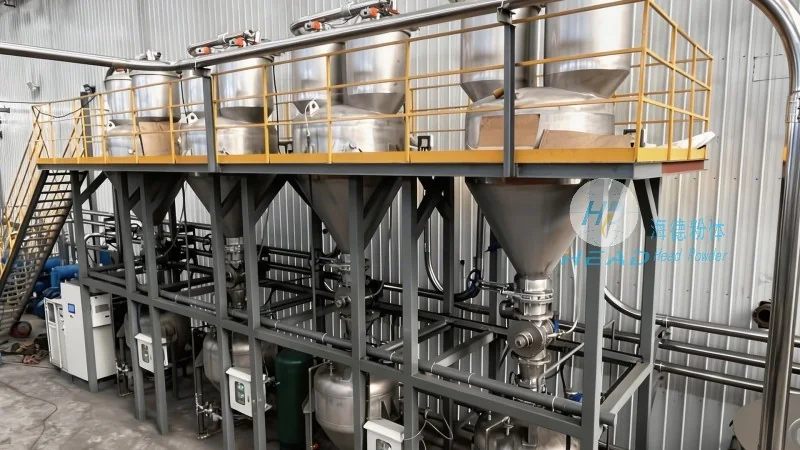
Introduction to Quartz Sand Powder Conveying Systems
Quartz sand powder, a widely used material in various industries such as glass manufacturing, foundries, and construction, requires reliable and efficient transport from storage to processing equipment. Conveying systems are designed to handle the unique challenges posed by fine powders, including dust control, material handling, and system maintenance. The choice between positive pressure and negative pressure conveying depends on factors like material properties, system layout, and operational constraints. Both methods have their strengths and limitations, and understanding these will guide your selection process.
Understanding Positive Pressure Conveying
Positive pressure conveying, also known as pressure-fed or pressure-type conveying, operates by blowing air or gas under pressure into the conveying line. This method forces the material to move through the system, ensuring consistent flow and preventing material buildup. The system typically includes a blower, a hopper, and a series of pipes that transport the material to the destination. One of the key advantages of positive pressure conveying is its ability to handle abrasive materials like quartz sand powder without excessive wear on components. Additionally, it can transport materials over longer distances and at higher capacities compared to negative pressure systems. However, positive pressure systems require more robust equipment and higher energy consumption due to the need to maintain pressure throughout the line.
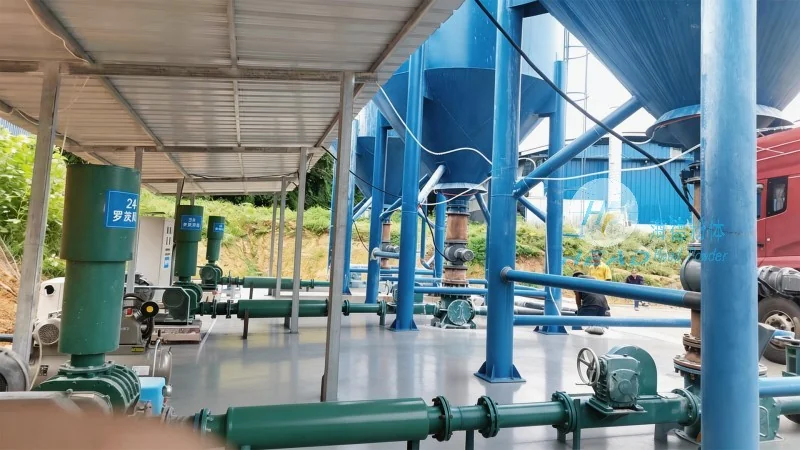
Key Features of Positive Pressure Conveying for Quartz Sand Powder
Positive pressure conveying systems are characterized by their direct material transport mechanism. The pressure differential created by the blower pushes the material through the pipeline, ensuring a continuous flow. This method is particularly effective for handling dry, free-flowing powders like quartz sand, as it minimizes the risk of clogging and material degradation. The system also allows for easy integration with other equipment, such as mixers or classifiers, as the material is delivered under pressure to the processing unit. Another notable feature is the ability to control the flow rate by adjusting the blower speed, providing flexibility in production operations. However, the high pressure and air volume can lead to increased energy costs and potential environmental concerns if not properly managed.
Understanding Negative Pressure Conveying
Negative pressure conveying, or vacuum-type conveying, works by creating a vacuum in the conveying line, which draws the material from the source to the destination. This method relies on a vacuum pump to remove air from the system, creating a pressure difference that pulls the material along. Unlike positive pressure systems, negative pressure conveying does not require high-pressure equipment, making it more suitable for applications with shorter transport distances or where lower energy consumption is a priority. The system is generally less expensive to install and maintain, as it uses smaller and simpler components. However, negative pressure conveying may not be as effective for handling highly abrasive or sticky materials, as the vacuum can sometimes lead to material degradation or blockages in the line.
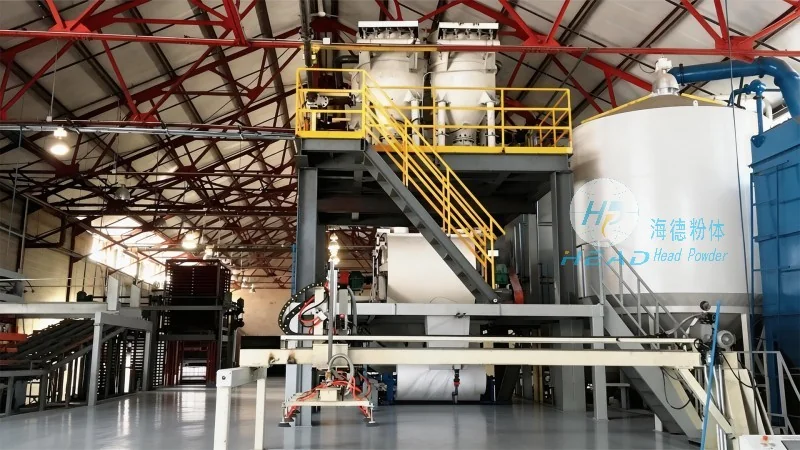
Key Features of Negative Pressure Conveying for Quartz Sand Powder
Negative pressure conveying systems operate by creating a vacuum that pulls the material from the hopper into the pipeline. The vacuum pump is typically located at the receiving end of the system, drawing the material through the line and depositing it at the desired location. This method is ideal for applications where the material needs to be transported from a central storage area to multiple processing points, as the vacuum can be directed to different destinations as needed. The system is also relatively quiet compared to positive pressure systems, which can be beneficial in noise-sensitive environments. However, the vacuum level must be carefully controlled to ensure consistent material flow, and the system may require more frequent maintenance to prevent dust and material buildup in the vacuum pump and lines.
Factors to Consider When Choosing Between Positive and Negative Pressure Conveying
When deciding between positive pressure and negative pressure conveying for quartz sand powder, several factors must be evaluated. The first consideration is the distance and layout of the transport system. Positive pressure systems are better suited for longer distances due to their ability to maintain pressure over extended lengths. Negative pressure systems are more appropriate for shorter distances or when the material needs to be transported from multiple sources to a central location. The second factor is the material properties, including particle size, moisture content, and abrasiveness. Highly abrasive materials like quartz sand may require the robust construction of positive pressure systems to prevent wear and tear. The third factor is energy consumption and operational costs. Positive pressure systems generally consume more energy due to the need to maintain pressure, while negative pressure systems are more energy-efficient but may have higher maintenance costs. The fourth factor is environmental considerations, such as dust control and emissions. Both systems can be equipped with dust collection and filtration systems, but the design and implementation of these systems may differ based on the conveying method chosen.
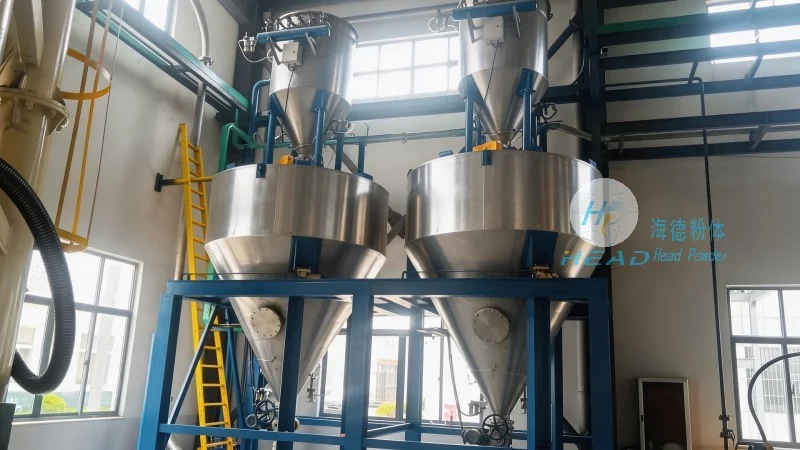
Application Examples in Quartz Sand Powder Processing
Positive pressure conveying is commonly used in large-scale quartz sand processing plants where the material needs to be transported over long distances to multiple processing units, such as crushers, classifiers, and furnaces. For example, in a glass manufacturing facility, positive pressure systems are used to transport quartz sand from storage silos to the melting furnace, ensuring a consistent and high-capacity flow. Negative pressure conveying is often employed in smaller-scale operations or in applications where the material is transported from a central hopper to several processing points, such as in foundries or construction material plants. In these cases, the shorter transport distances and lower energy requirements make negative pressure systems a cost-effective choice.
Conclusion: Making the Right Choice for Your Quartz Sand Powder Conveying Needs
Choosing between positive pressure and negative pressure conveying for quartz sand powder requires a careful assessment of your specific operational requirements. Positive pressure systems offer higher capacity, longer transport distances, and better handling of abrasive materials, but at the cost of higher energy consumption and equipment complexity. Negative pressure systems provide lower energy use, simpler installation, and quieter operation, but may be limited in transport distance and material handling capabilities. By understanding the key features and considerations of each system, you can select the most suitable conveying method that optimizes efficiency, reduces costs, and ensures safe and reliable operation. Whether you opt for positive or negative pressure, both systems can effectively handle quartz sand powder, but the choice ultimately depends on your unique production environment and operational goals.




