White carbon black, also known as fumed silica, is a widely used industrial material with high surface area and fine particle size. Its unique properties make it essential in various industries, including rubber, plastics, and coatings. However, the efficient and safe transportation of white carbon black powder presents challenges due to its fine particles, which are prone to agglomeration and dust generation. This article explores the key considerations for selecting between positive pressure and negative pressure conveying systems for white carbon black powder, providing insights into how to make an informed decision based on operational requirements and material characteristics.
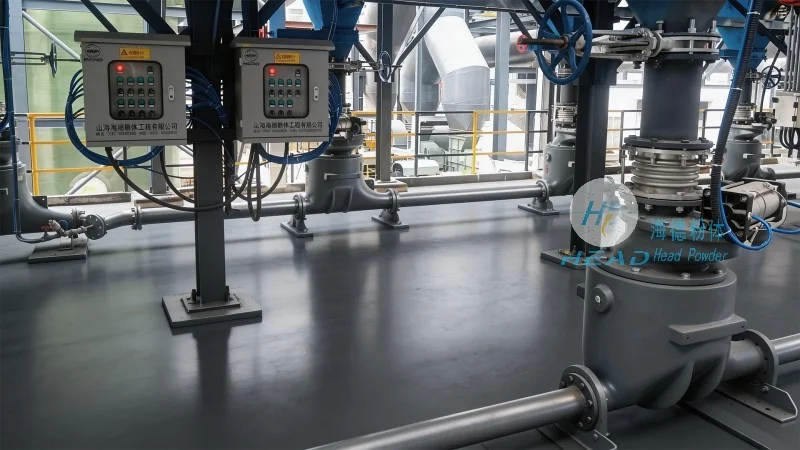
Understanding the Core Differences Between Positive and Negative Pressure Conveying
Conveying systems for bulk materials like white carbon black powder can be broadly categorized into two main types: positive pressure (pressure) and negative pressure (suction) systems. The fundamental difference lies in the pressure differential within the system. Positive pressure systems operate by forcing air or gas through the material, creating a pressure higher than the ambient environment. In contrast, negative pressure systems draw material into the system by creating a lower pressure than the surroundings, typically using vacuum pumps.
Key Factors Influencing the Choice of Conveying System
The selection between positive and negative pressure conveying for white carbon black powder depends on several critical factors. These include the material's physical properties, such as particle size, moisture content, and tendency to agglomerate. For instance, fine white carbon black particles are more susceptible to dust formation and require better containment. The system's design must address these challenges to ensure safe and efficient operation.
Another crucial factor is the distance and layout of the conveying line. Positive pressure systems are generally more suitable for longer distances and complex layouts because they can maintain consistent pressure and flow. Negative pressure systems, while effective for short distances and enclosed spaces, may face challenges with air leakage and dust containment, especially in large-scale operations.
Advantages and Disadvantages of Positive Pressure Conveying
Positive pressure conveying systems, also known as pressure pneumatic conveying, offer several advantages for white carbon black powder handling. They provide excellent control over material flow, ensuring consistent delivery to processing equipment. The system is self-contained, reducing the risk of external contamination and maintaining product purity. Additionally, positive pressure systems are less susceptible to clogging due to the continuous flow of air, which helps prevent material buildup in the pipeline.
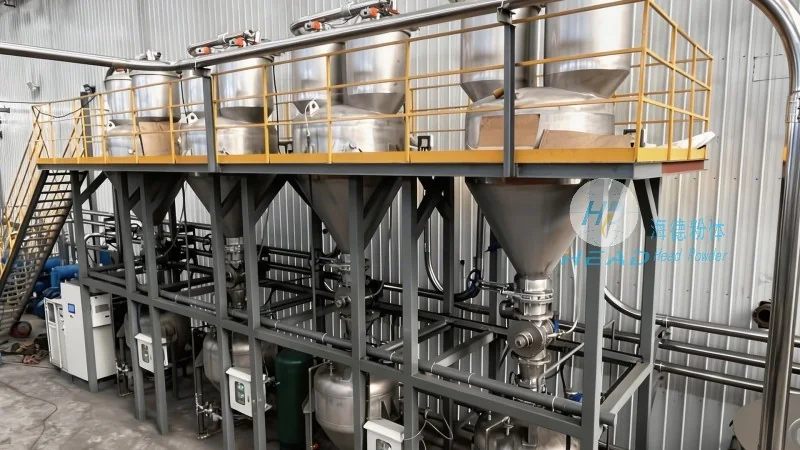
However, positive pressure systems also have drawbacks. They require robust sealing and filtration to prevent dust leakage, which can be costly and complex to maintain. The higher air pressure needed to move the material can increase energy consumption, making it less economical for certain applications. Moreover, the system may be less effective for materials that are highly abrasive or corrosive, as the constant air flow can accelerate wear on components.
Advantages and Disadvantages of Negative Pressure Conveying
Negative pressure conveying systems, or suction pneumatic conveying, are often preferred for applications where dust containment is paramount. The system draws material into a sealed pipeline, reducing the risk of external dust dispersion. This makes it ideal for environments where air quality regulations are strict or where the material is sensitive to contamination.
One of the key benefits of negative pressure systems is their ability to handle materials with higher moisture content or those that are prone to caking. The vacuum created helps break up agglomerates and maintain a consistent flow. However, negative pressure systems have limitations. They are generally less efficient for long-distance conveying and may require more frequent maintenance due to the higher risk of dust accumulation in the suction line. Additionally, the system's performance can be affected by changes in ambient air conditions, such as temperature and humidity.
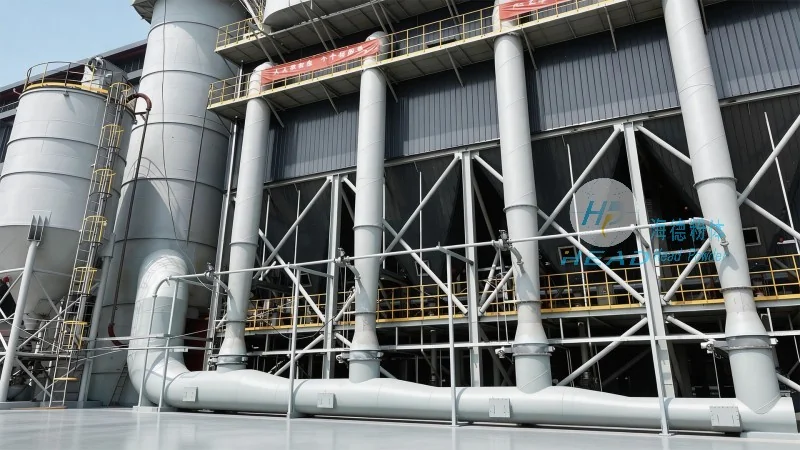
Practical Considerations for White Carbon Black Powder Conveying
When selecting a conveying system for white carbon black powder, practical considerations must be weighed against technical advantages. For example, in industries where product purity is critical, such as pharmaceuticals or food processing, negative pressure systems may be preferred to minimize the risk of cross-contamination. Conversely, in bulk manufacturing where cost efficiency and long-distance transport are priorities, positive pressure systems may be more suitable.
Another practical factor is the availability of space and infrastructure. Positive pressure systems often require dedicated air compressors and filtration units, which may need more floor space. Negative pressure systems, while requiring vacuum pumps, can be more compact and easier to integrate into existing facilities.
Conclusion: Making the Right Choice for White Carbon Black Powder Conveying
Choosing between positive and negative pressure conveying for white carbon black powder is a decision that requires careful evaluation of material properties, operational requirements, and environmental considerations. Positive pressure systems offer superior control and efficiency for long-distance transport, while negative pressure systems excel in dust containment and handling of sensitive materials. By understanding the advantages and limitations of each system, manufacturers can select the most appropriate conveying solution to ensure safe, efficient, and cost-effective operation.
Shandong HeadPowder Engineering Co., Ltd. (headpowder), located in Shandong, China, specializes in providing tailored conveying solutions for various industrial materials, including white carbon black powder. With expertise in both positive and negative pressure systems, the company offers customized equipment and services to meet the specific needs of clients, ensuring optimal performance and compliance with industry standards.




