For industrial applications involving the transport of stone aggregates, selecting the appropriate pneumatic conveying system is crucial for efficiency, cost-effectiveness, and operational reliability. This technical analysis focuses on the comparison between positive pressure and negative pressure conveying modes, highlighting the key characteristics, advantages, and considerations for each approach. The discussion is presented by Shandong HeadPowder Engineering Co., Ltd., a company specializing in engineering solutions for material handling systems.
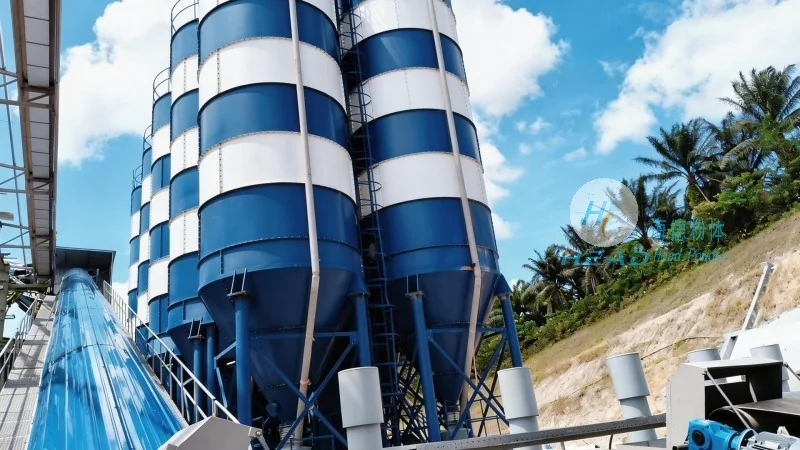
Introduction to Pneumatic Conveying Systems for Stone Aggregates
Pneumatic conveying systems are widely used in the construction and mining industries to transport bulk materials like stone aggregates, sand, and gravel. These systems utilize air or gas to move materials through a pipeline network, eliminating the need for mechanical components such as conveyor belts or buckets. The choice between positive pressure and negative pressure systems depends on factors including material properties, distance of transport, system complexity, and operational requirements. Understanding the differences between these two modes is essential for selecting the most suitable solution for specific applications.
Positive Pressure Conveying Mode: Characteristics and Applications
Positive pressure conveying systems operate by blowing air or gas into the conveying line, creating a pressure higher than the ambient air pressure. This method propels the material forward through the pipeline. The system typically includes a blower or compressor at the inlet, which supplies the necessary air pressure to move the material. The positive pressure mode is particularly effective for long-distance transport and for materials that are prone to settling or bridging in the pipeline. It offers several advantages, including the ability to handle abrasive materials without excessive wear on the system components, and the flexibility to transport materials from multiple sources to a single destination. The system can also be designed to handle a wide range of particle sizes and densities, making it suitable for various stone aggregate applications.
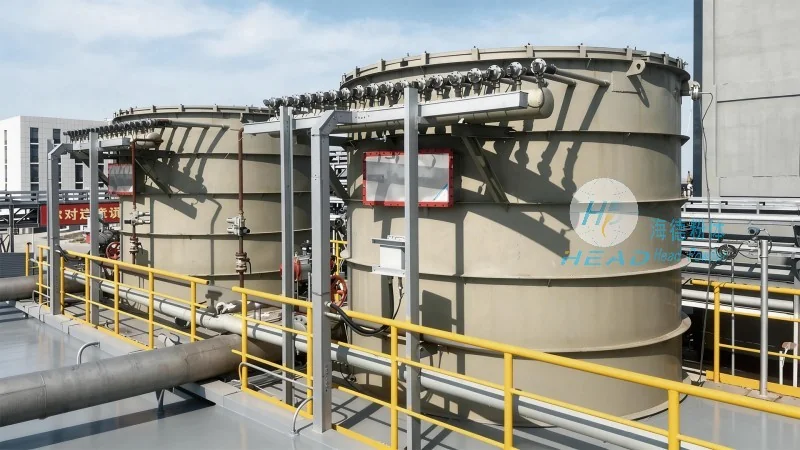
Negative Pressure Conveying Mode: Characteristics and Applications
Negative pressure conveying systems, also known as suction or vacuum systems, operate by creating a vacuum in the conveying line, which draws the material into the pipeline. The system uses a vacuum pump or fan to create the negative pressure, and the material is drawn from the source into the pipeline. This mode is often preferred for shorter distances and for applications where the material is to be collected from multiple points. The negative pressure system is generally more compact and requires less space for installation compared to positive pressure systems. It is also suitable for handling materials that are sensitive to pressure changes or for applications where the material needs to be transported from a higher elevation to a lower one. However, the negative pressure mode may have limitations in terms of material handling capacity and the ability to transport abrasive materials over long distances.
Key Differences Between Positive and Negative Pressure Systems
When comparing positive and negative pressure conveying systems for stone aggregates, several key differences emerge. The primary distinction lies in the direction of air flow and the pressure differential. Positive pressure systems use an external air source to push the material, while negative pressure systems use a vacuum to pull the material. This difference affects the system's power consumption, as positive pressure systems typically require more energy due to the higher air pressure required. Conversely, negative pressure systems may have lower operational costs but may be less efficient for long-distance transport. Another critical difference is the impact on material handling. Positive pressure systems are generally more robust and can handle larger particle sizes and higher material loads, whereas negative pressure systems may be more suitable for fine or delicate materials. The choice between the two modes also depends on the system's complexity and maintenance requirements. Positive pressure systems may require more maintenance due to the higher stress on components from the high-pressure air, while negative pressure systems may have simpler designs but may be more prone to clogging or material buildup in the vacuum line.
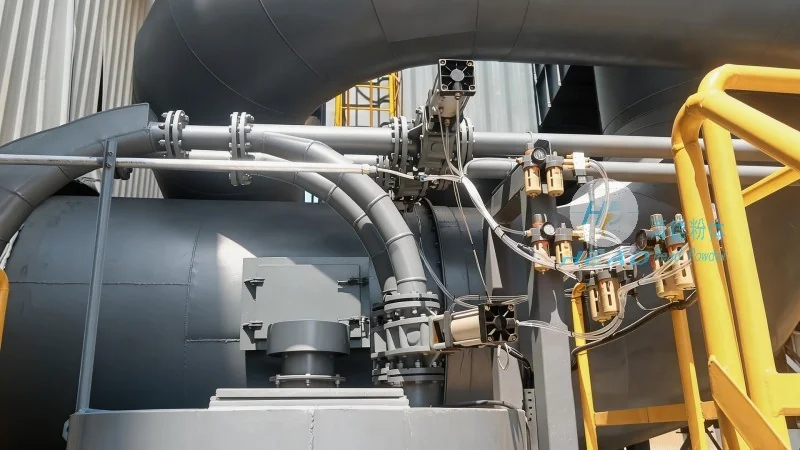
Factors to Consider When Selecting a Conveying Mode
When selecting between positive and negative pressure pneumatic conveying systems for stone aggregates, several factors must be considered. The first factor is the distance of material transport. Positive pressure systems are typically more suitable for long-distance applications due to their higher efficiency and ability to maintain material flow over longer pipelines. Negative pressure systems are better suited for shorter distances or for applications where the material needs to be collected from multiple points. The second factor is the material properties, including particle size, density, and abrasiveness. Abrasive materials may require more robust components in positive pressure systems, while fine materials may be better handled by negative pressure systems. The third factor is the system layout and space constraints. Positive pressure systems may require more space for the air compressor and blower, while negative pressure systems can be more compact. The fourth factor is the operational requirements, including the need for material handling speed and the ability to handle varying material loads. Positive pressure systems can often handle higher material loads and maintain consistent flow rates, making them suitable for high-demand applications. The fifth factor is the cost considerations, including initial investment and operational costs. Positive pressure systems may have higher initial costs due to the need for a blower or compressor, but may offer lower long-term operational costs due to higher efficiency. Negative pressure systems may have lower initial costs but may have higher operational costs due to lower efficiency and potential maintenance issues.
Conclusion: Choosing the Right Conveying Mode for Stone Aggregates
In conclusion, the choice between positive pressure and negative pressure pneumatic conveying systems for stone aggregates depends on a careful evaluation of the specific application requirements. Positive pressure systems offer advantages in terms of efficiency, material handling capacity, and suitability for long-distance transport, making them ideal for applications where high material throughput and reliability are critical. Negative pressure systems, on the other hand, are more suitable for shorter distances, fine materials, and applications where space constraints are a factor. The decision should be based on factors such as the distance of transport, material properties, system layout, operational requirements, and cost considerations. By understanding the characteristics and limitations of each mode, industrial operators can select the most appropriate pneumatic conveying system to meet their specific needs and optimize their material handling processes. Shandong HeadPowder Engineering Co., Ltd. provides expert engineering solutions for the design and implementation of both positive and negative pressure pneumatic conveying systems, ensuring that clients receive tailored solutions that enhance operational efficiency and reduce costs.




