Caustic soda, also known as sodium hydroxide, is a critical chemical widely used in various industrial applications, including chemical manufacturing, paper production, and water treatment. The efficient and safe transportation of caustic soda is essential for maintaining production efficiency and ensuring operational safety. Pneumatic conveying systems offer a reliable solution for handling caustic soda, with two primary modes: positive pressure and negative pressure. This article provides a technical analysis of these two modes, comparing their characteristics, advantages, and applications, with insights from HeadPowder, a leading provider of industrial conveying solutions.
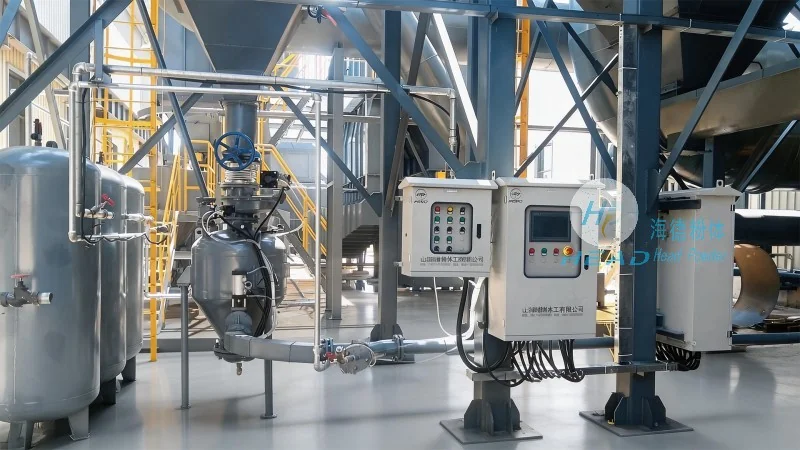
Understanding Pneumatic Conveying Modes
Pneumatic conveying systems utilize air or gas to transport bulk materials through a pipeline. The two main modes are positive pressure and negative pressure, each with distinct operational principles and suitability for different scenarios.
Positive Pressure Conveying Mode
Positive pressure conveying operates by blowing air or gas into the material to be conveyed, creating a pressure higher than the ambient air pressure. This method is commonly used for short to medium-distance conveying and handling dry, free-flowing materials like caustic soda. The positive pressure system typically includes a blower, a hopper, and a pipeline, with the material being drawn into the system by the pressure differential.
Key advantages of positive pressure conveyors include high conveying capacity, ability to handle abrasive materials, and suitability for long-distance transport. However, they require more energy due to the need to maintain higher pressure and may pose higher safety risks if the system is not properly sealed.
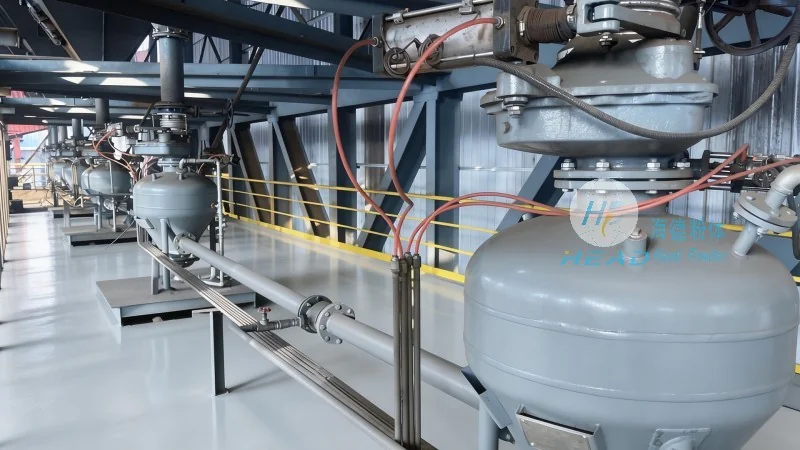
Negative Pressure Conveying Mode
Negative pressure conveying, also known as suction conveying, works by creating a vacuum in the pipeline, drawing material from the source into the system. This mode is ideal for applications requiring dust-free environments or when the material is to be transported from multiple sources. Negative pressure systems are often used for shorter distances and for handling materials that are more prone to dust generation.
Advantages of negative pressure conveyors include lower energy consumption compared to positive pressure systems and better control over dust emissions. However, they have lower conveying capacities and are more susceptible to clogging if the material is not free-flowing or contains large particles.
Comparison of Positive and Negative Pressure Modes
When selecting a pneumatic conveying system for caustic soda, it is crucial to evaluate the specific requirements of the application. The choice between positive and negative pressure modes depends on factors such as distance, material characteristics, and environmental considerations.
For instance, in applications requiring long-distance transport of caustic soda over several hundred meters, a positive pressure system may be more suitable due to its higher capacity and ability to maintain consistent flow. Conversely, for short-distance conveying in a cleanroom environment, a negative pressure system might be preferred to minimize dust exposure and ensure compliance with safety regulations.
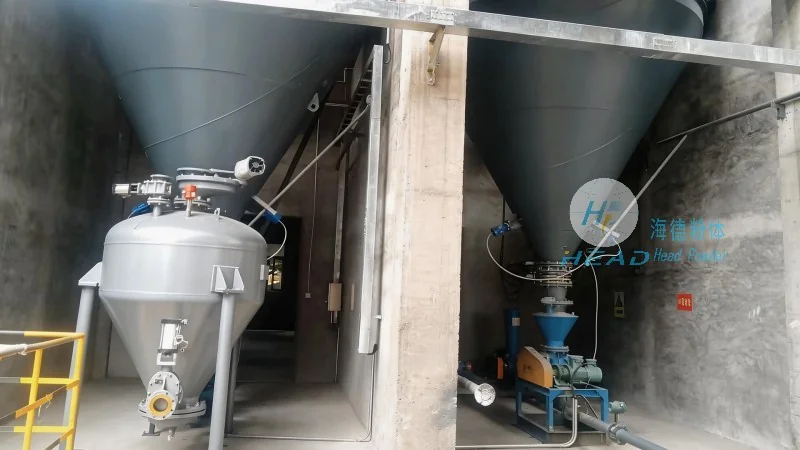
Key Considerations for Caustic Soda Pneumatic Conveying
When designing a caustic soda pneumatic conveying system, several factors must be considered to ensure optimal performance and safety. Material properties, such as particle size, moisture content, and abrasiveness, play a significant role in determining the appropriate conveying mode. Additionally, the system must be constructed from materials resistant to caustic soda corrosion, such as stainless steel or specialized alloys.
Operational parameters, including air pressure, flow rate, and pipeline diameter, must be carefully calibrated to prevent clogging and ensure smooth material transport. Regular maintenance, including cleaning and inspection of the pipeline and equipment, is essential to maintain system efficiency and prevent downtime.
Conclusion
Both positive pressure and negative pressure pneumatic conveying systems offer viable solutions for transporting caustic soda, with each mode having its own set of advantages and limitations. The selection of the appropriate system depends on the specific needs of the application, including distance, material characteristics, and environmental requirements. By understanding the technical aspects of each mode and considering the operational factors, industries can choose the most suitable caustic soda pneumatic conveying system to enhance production efficiency and ensure operational safety.




