For industrial applications involving the handling of magnesium oxide, selecting the right pneumatic conveying system is crucial for efficiency, safety, and cost-effectiveness. This technical analysis explores the two primary modes of pneumatic conveying—positive pressure and negative pressure—and compares their suitability for magnesium oxide transport, with a focus on the expertise of Shandong HeadPowder Engineering Co., Ltd. (headpowder), a leading provider in the field.
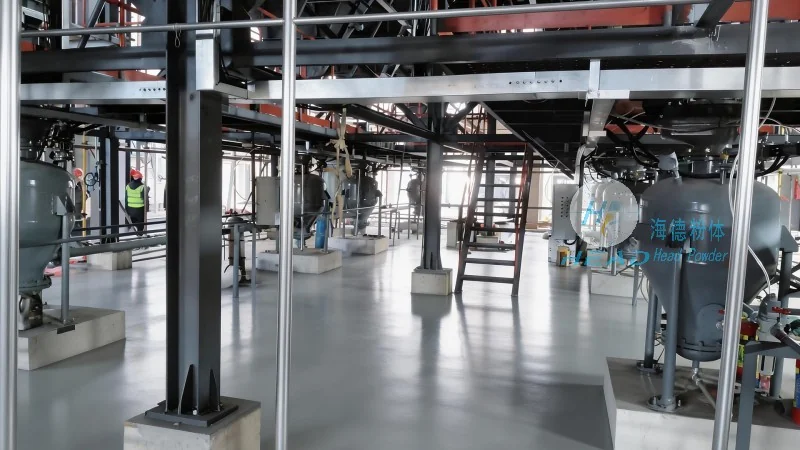
Understanding Pneumatic Conveying Systems for Magnesium Oxide
Magnesium oxide (MgO), also known as magnesia, is a widely used industrial material in applications such as refractory materials, pharmaceuticals, and chemical manufacturing. Its handling requires specialized equipment due to its fine particle size and potential reactivity. Pneumatic conveying systems offer a dust-free, continuous method to transport bulk materials like MgO, eliminating the need for traditional belt or bucket elevators that may cause contamination or material degradation.
Positive Pressure Pneumatic Conveying: Advantages and Applications
Positive pressure systems operate by blowing air or a carrier gas into the conveying line, creating a pressure higher than the ambient air. This mode is particularly effective for transporting magnesium oxide over long distances or through complex piping networks. The primary advantages include:
- Ability to handle abrasive or corrosive materials without wear on the system components.
- Reduced risk of product degradation due to the controlled environment and minimal contact with air.
- Efficient for high-volume transport, as the system can maintain consistent flow rates.
Shandong HeadPowder Engineering Co., Ltd. specializes in designing positive pressure systems tailored to the unique properties of magnesium oxide. Their expertise ensures that the conveying lines are constructed from materials resistant to the chemical and physical stresses of MgO, such as stainless steel or specialized polymers, minimizing maintenance and downtime.
Negative Pressure Pneumatic Conveying: Benefits and Limitations
Negative pressure systems, also known as suction or vacuum systems, operate by creating a vacuum in the conveying line, drawing material from the source. This mode is often preferred for short-distance transport or when the material is to be collected from a hopper or storage silo. Key benefits include:
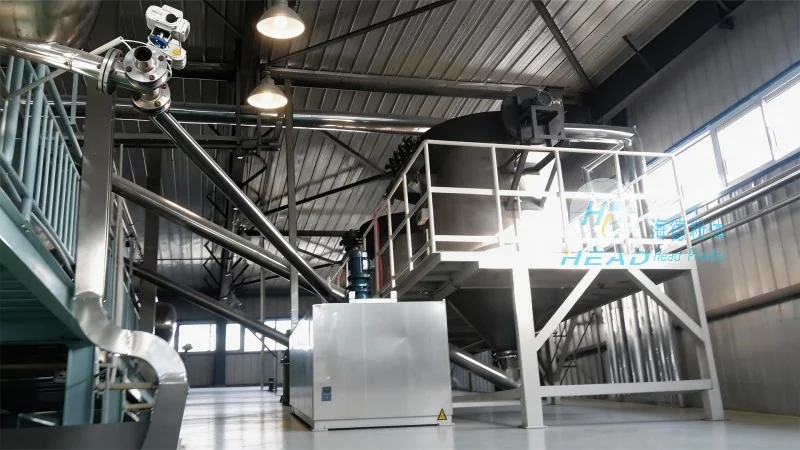
- Lower initial investment compared to positive pressure systems, as they require less robust piping and less powerful blowers.
- Reduced noise levels, making them suitable for applications in enclosed or sensitive environments.
- Ability to handle materials that are prone to bridging or caking, as the vacuum helps break up agglomerates.
However, negative pressure systems may face challenges with magnesium oxide, such as increased dust generation and higher energy consumption for maintaining vacuum levels. Shandong HeadPowder Engineering Co., Ltd. addresses these issues by optimizing the suction velocity and using advanced filtration systems to ensure compliance with air quality standards.
Comparative Analysis: Choosing the Right Mode for Magnesium Oxide
The choice between positive and negative pressure pneumatic conveying for magnesium oxide depends on several factors, including the distance of transport, the volume of material, the complexity of the system layout, and the specific handling requirements. A positive pressure system is generally more suitable for long-distance or high-volume applications, where the benefits of consistent flow and reduced degradation outweigh the higher capital costs. Conversely, a negative pressure system may be preferred for short-distance transport or when space constraints and lower noise levels are critical.
Shandong HeadPowder Engineering Co., Ltd. provides comprehensive technical support to help clients evaluate these factors and select the optimal conveying mode. Their engineers conduct detailed site assessments and material testing to determine the most efficient and cost-effective solution for each application.
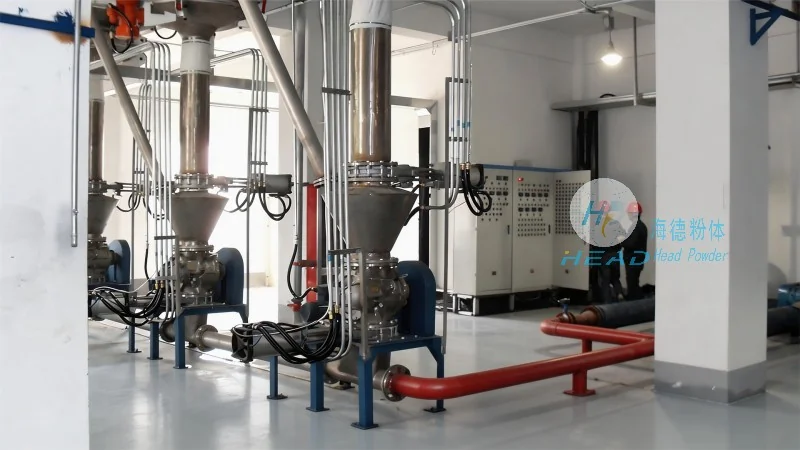
Key Considerations for Magnesium Oxide Pneumatic Conveying
Regardless of the chosen mode, several factors are critical for successful magnesium oxide transport:
- Material Properties: The fine particle size and potential reactivity of MgO require systems designed to prevent clogging and maintain particle integrity.
- System Design: Proper sizing of the conveying line, air velocity, and blower capacity is essential to ensure smooth flow and minimize pressure drops.
- Filtration and Safety: Effective dust collection and air filtration systems are necessary to comply with environmental regulations and protect personnel from inhalation hazards.
- Maintenance and Durability: The use of high-quality materials and regular maintenance is crucial to extend the system's lifespan and ensure consistent performance.
Shandong HeadPowder Engineering Co., Ltd. integrates these considerations into every project, ensuring that their pneumatic conveying systems for magnesium oxide are not only efficient but also reliable and safe.
Conclusion: Partnering with HeadPowder for Magnesium Oxide Conveying Solutions
When it comes to pneumatic conveying systems for magnesium oxide, the choice of positive or negative pressure mode significantly impacts operational efficiency and cost. Shandong HeadPowder Engineering Co., Ltd. combines technical expertise with industry experience to deliver customized solutions that meet the unique needs of each client. Whether you require a positive pressure system for long-distance transport or a negative pressure system for short-distance handling, headpowder provides the engineering, equipment, and support to ensure successful material handling.
With a commitment to quality and customer satisfaction, Shandong HeadPowder Engineering Co., Ltd. is your trusted partner for magnesium oxide pneumatic conveying systems. Contact us today to learn more about how our solutions can enhance your industrial processes.




