Pneumatic conveying is a critical technology in the handling and transportation of dust ash, a byproduct commonly generated in industrial processes such as power generation, cement production, and metal smelting. The efficient and safe transport of dust ash from collection points to disposal or recycling facilities is essential for maintaining operational efficiency and environmental compliance. Two primary methods dominate this field: positive pressure conveying and negative pressure conveying. This analysis delves into the characteristics, operational principles, advantages, and limitations of each approach, providing a comprehensive comparison to aid in selecting the most suitable system for specific applications.
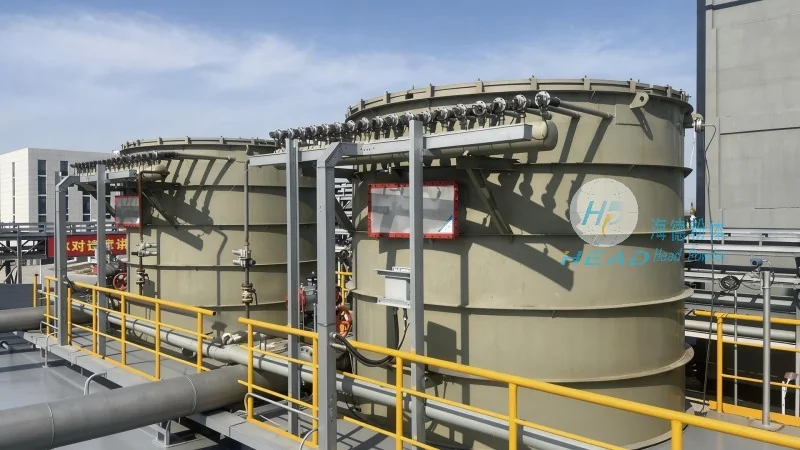
Positive Pressure Conveying: Principles and Operational Features
Positive pressure conveying operates by generating air pressure within the conveying system, typically using a blower or compressor, to push the material through a pipeline. The system is sealed, with air and material moving in the same direction. This method is often preferred for applications requiring high material flow rates and long-distance transport. The headpowder engineering approach to positive pressure conveying emphasizes robust blower systems and high-quality pipeline materials to ensure consistent performance and minimize wear. Key operational features include:
- Continuous material flow, which enhances throughput and reduces downtime.
- Ability to handle abrasive materials without excessive wear on components.
- Reduced risk of dust leakage compared to negative pressure systems, as the system is under positive pressure.
However, positive pressure conveying may face challenges with material segregation and increased energy consumption for long-distance transport. The design of the blower and pipeline network is critical to optimizing performance and minimizing operational costs.
Negative Pressure Conveying: Principles and Operational Features
Negative pressure conveying, also known as suction conveying, operates by creating a vacuum within the system to draw material from the source into the pipeline. The material is transported by the suction force, and the system is typically open to the environment at the material intake point. This method is often used for short to medium-distance transport and for applications where the material is sensitive to pressure or where dust containment is less critical at the intake point. Headpowder engineering’s negative pressure systems are designed with high-efficiency vacuum pumps and specialized filtration to ensure effective material collection and transport.
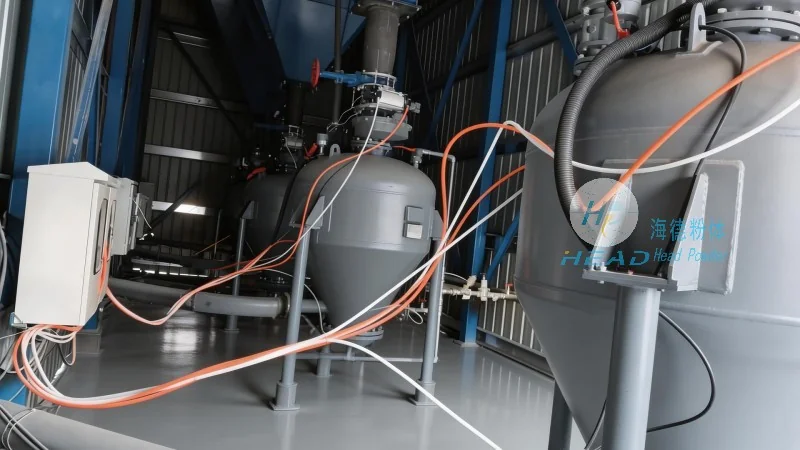
- Lower initial capital costs compared to positive pressure systems, as smaller and less powerful vacuum pumps are often sufficient.
- Reduced noise levels due to the use of smaller motors and lower air velocities.
- Ability to handle fine powders and materials with high moisture content, as the vacuum helps maintain material integrity.
Nevertheless, negative pressure conveying has limitations, including higher maintenance requirements for filtration systems and potential issues with dust leakage at the intake point if not properly sealed.
Comparative Analysis: Key Factors for Selection
When choosing between positive and negative pressure conveying for dust ash management, several factors must be considered. The primary decision points include material characteristics, transport distance, system complexity, and operational environment. Headpowder engineering provides tailored solutions based on these factors, ensuring optimal performance and cost-effectiveness.
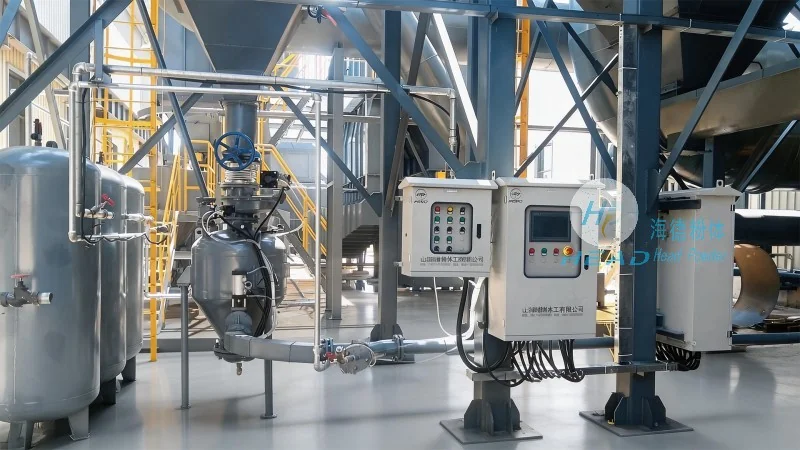
- Material Characteristics: For abrasive or high-density dust ash, positive pressure conveying may be more suitable due to its ability to handle higher pressures and resist wear. For fine, low-density powders, negative pressure conveying can maintain material integrity better.
- Transport Distance: Positive pressure systems are generally more efficient for long-distance transport (over 100 meters) due to their higher pressure capabilities. Negative pressure systems are better suited for shorter distances (up to 50-70 meters) where vacuum efficiency is sufficient.
- Energy Consumption: Positive pressure systems typically consume more energy due to the higher pressure requirements, while negative pressure systems may have lower energy costs but higher maintenance for filters.
- Environmental and Safety Considerations: Positive pressure systems offer better dust containment, reducing the risk of external dust emissions. Negative pressure systems require careful sealing at the intake to prevent dust leakage, which can impact indoor air quality.
HeadPowder Engineering's Expertise in Pneumatic Conveying Solutions
Shandong HeadPowder Engineering Co., Ltd., based in Shandong, China, specializes in the design, manufacturing, and implementation of advanced pneumatic conveying systems for dust ash management. The company leverages decades of industry experience to provide customized solutions that address the unique challenges of each client's operation. Headpowder engineering's team of engineers conducts thorough site assessments to evaluate material properties, transport requirements, and environmental constraints, ensuring that the selected system aligns with operational goals and regulatory standards.
The company's solutions integrate high-quality components, including blower systems, vacuum pumps, and specialized pipelines, to deliver reliable and efficient conveying performance. For positive pressure applications, HeadPowder uses robust centrifugal blowers and wear-resistant materials to extend system life and reduce maintenance intervals. In negative pressure systems, advanced filtration technologies and sealed intake designs are employed to maintain air quality and comply with environmental regulations.
HeadPowder engineering also offers comprehensive after-sales support, including system monitoring, maintenance services, and technical training, to ensure long-term operational efficiency and client satisfaction. By combining technical expertise with a customer-centric approach, HeadPowder Engineering positions itself as a trusted partner in the dust ash handling industry.




