Gypsum, also known as calcium sulfate, is a widely used industrial material in construction, agriculture, and pharmaceutical applications. The efficient and safe transportation of gypsum powder from production sites to processing or storage facilities is essential for maintaining operational efficiency and product quality. Pneumatic conveying systems offer a reliable solution for handling gypsum, particularly in applications where traditional methods like belt conveyors or bucket elevators may be less suitable due to dust generation, material degradation, or space constraints. This article provides an overview of the key design considerations and components for a gypsum pneumatic conveying system, with a focus on the expertise and solutions offered by Shandong HeadPowder Engineering Co., Ltd. (headpowder).
Key Design Considerations for Gypsum Pneumatic Conveying
The successful design of a gypsum pneumatic conveying system involves several critical factors that must be carefully evaluated to ensure optimal performance, reliability, and cost-effectiveness. These considerations include:
1. System Type Selection: The choice between positive pressure, negative pressure, or a combination of both depends on the specific application requirements, such as the distance to be covered, the amount of material to be conveyed, and the need for dust control. Positive pressure systems are commonly used for long-distance or high-volume conveying, as they provide consistent air flow and pressure to move the material through the pipeline. Negative pressure systems, on the other hand, are often preferred for shorter distances or when the material is to be collected from multiple points, as they minimize dust emissions and are generally more cost-effective for smaller applications.
2. Pipeline Design and Sizing: The diameter and length of the conveying pipeline are critical parameters that directly impact the system's performance. The pipeline diameter must be large enough to accommodate the required air velocity and material flow without causing excessive pressure drop or particle degradation. Typically, a larger diameter is preferred for longer conveying distances to maintain sufficient air velocity and prevent material settling. The pipeline material, such as stainless steel or PVC, is chosen based on the corrosiveness of the gypsum and the need for durability and resistance to wear.
3. Air Flow and Pressure Management: The air flow rate and pressure are essential for maintaining the material in suspension and ensuring smooth transport. The air velocity must be high enough to keep the gypsum particles airborne but not so high as to cause excessive energy consumption or wear on the system components. The pressure drop along the pipeline is a key factor that determines the required power input and the overall system efficiency. Proper pressure management is crucial to prevent system overload and ensure consistent material flow.
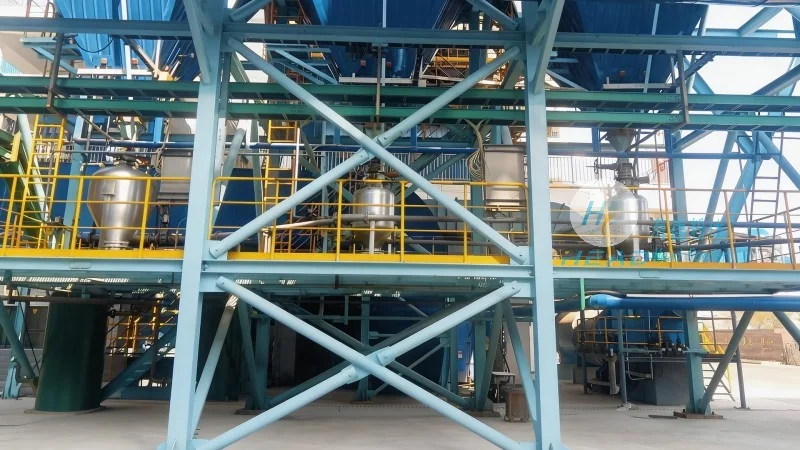
4. Equipment Selection: The selection of appropriate equipment, including the material feeders, air movers (blowers or fans), and control systems, is vital for the system's performance. The material feeder must be capable of handling the specific characteristics of gypsum, such as its flowability and potential for caking, to ensure a consistent feed rate. The air mover must provide sufficient pressure and flow capacity to meet the system's requirements while being energy-efficient. The control system should allow for easy monitoring and adjustment of the conveying parameters to maintain optimal performance.
Components of a Gypsum Pneumatic Conveying System
A typical gypsum pneumatic conveying system consists of several key components that work together to transport the material efficiently. These components include:
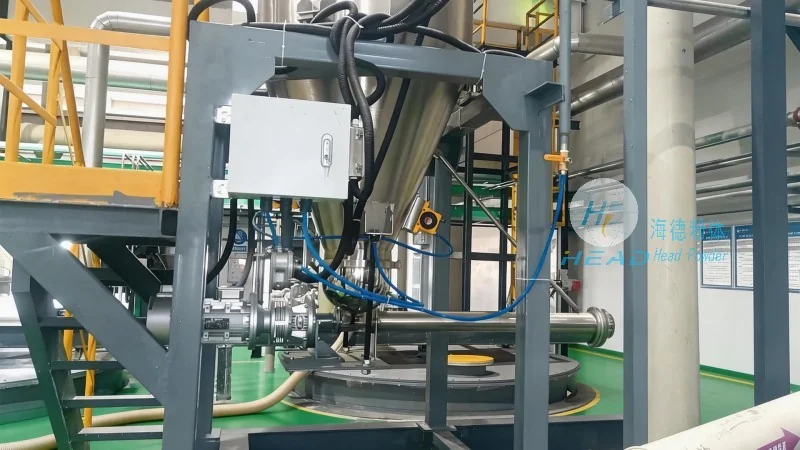
1. Material Feeder: The feeder is responsible for introducing the gypsum powder into the conveying pipeline at a controlled rate. Common types of feeders include rotary valves, screw feeders, and vibratory feeders. The choice of feeder depends on the material's flow characteristics and the required feed rate. For gypsum, which can be prone to caking, a feeder with good flow promotion and minimal pressure drop is preferred.
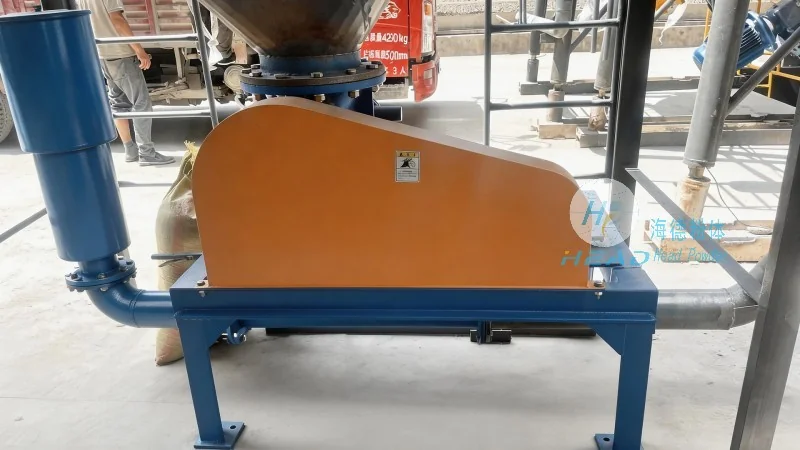
2. Air Mover (Blower or Fan): The air mover provides the necessary air flow and pressure to transport the gypsum particles through the pipeline. Positive pressure systems typically use centrifugal blowers, which are capable of delivering high pressure and flow rates. Negative pressure systems often employ vacuum fans or roots blowers. The selection of the air mover is based on the system's pressure and flow requirements, as well as energy efficiency considerations.
3. Pipeline and Fittings: The pipeline system connects the feeder to the air mover and the discharge point. The pipeline is usually made of stainless steel or PVC to resist corrosion and wear from the gypsum particles. The fittings, such as elbows, tees, and bends, are designed to minimize pressure drop and prevent material buildup. The pipeline layout should be optimized to reduce the number of bends and maintain a consistent air velocity throughout the system.
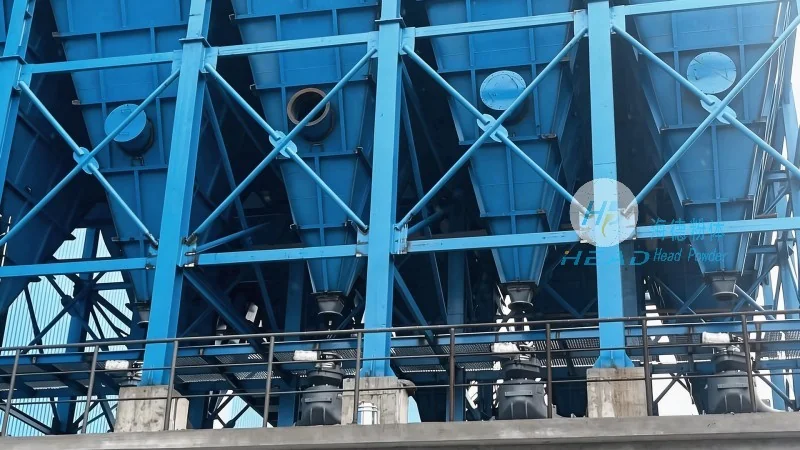
4. Control and Monitoring System: The control system manages the operation of the conveying system, including the feeder speed, air flow rate, and pressure. It may include sensors to monitor the material level, air pressure, and flow rate, providing real-time feedback to adjust the system parameters as needed. The control system ensures that the conveying process is smooth and efficient, minimizing downtime and maximizing productivity.
Benefits of Using a Gypsum Pneumatic Conveying System
Implementing a well-designed gypsum pneumatic conveying system offers several advantages over traditional material handling methods. These benefits include:
1. Improved Safety and Environmental Control: Pneumatic conveying systems minimize dust emissions and prevent material contamination, making them safer for workers and more environmentally friendly compared to open-air handling methods. The enclosed pipeline system reduces the risk of dust inhalation and prevents the spread of material particles in the workplace.
2. Enhanced Product Quality: By avoiding contact with external elements and minimizing material degradation during transport, the pneumatic conveying system helps maintain the quality and purity of the gypsum powder. This is particularly important for applications where the material is used in sensitive industries like pharmaceuticals or food processing.
3. Increased Efficiency and Productivity: The consistent and controlled flow of material in a pneumatic system reduces downtime and improves overall operational efficiency. The ability to convey gypsum over long distances without the need for intermediate storage or transfer points streamlines the production process and increases throughput.
4. Reduced Maintenance Costs: Properly designed and maintained pneumatic conveying systems have lower maintenance requirements compared to traditional systems. The enclosed pipeline and efficient design minimize wear and tear on components, reducing the need for frequent repairs and replacements.
Case Study: Gypsum Pneumatic Conveying System by Shandong HeadPowder Engineering Co., Ltd.
Shandong HeadPowder Engineering Co., Ltd. (headpowder), a leading provider of industrial material handling solutions, has extensive experience in designing and implementing gypsum pneumatic conveying systems. The company's expertise lies in understanding the unique properties of gypsum and tailoring the system design to meet the specific needs of each client. By leveraging advanced engineering techniques and high-quality components, headpowder has successfully delivered numerous gypsum conveying systems that have improved operational efficiency and product quality for its clients.
For example, one of headpowder's recent projects involved the design of a positive pressure pneumatic conveying system for a gypsum production facility in China. The system was designed to transport 50 tons of gypsum per hour over a distance of 500 meters. The system included a rotary valve feeder, a high-pressure centrifugal blower, and a stainless steel pipeline system with optimized fittings. The control system allowed for real-time monitoring and adjustment of the conveying parameters, ensuring consistent material flow and minimal pressure drop. The system has been in operation for over two years, with a high level of reliability and efficiency, demonstrating the effectiveness of headpowder's design approach.
Conclusion
The design of a gypsum pneumatic conveying system is a complex process that requires careful consideration of various factors, including system type, pipeline design, air flow management, and equipment selection. By addressing these considerations and leveraging the expertise of experienced providers like Shandong HeadPowder Engineering Co., Ltd., industrial facilities can achieve efficient, safe, and cost-effective transportation of gypsum powder. The benefits of pneumatic conveying systems, including improved safety, product quality, and operational efficiency, make them an attractive solution for gypsum handling applications. As the demand for gypsum continues to grow, the importance of reliable and well-designed pneumatic conveying systems will only increase, making it essential for companies to invest in high-quality solutions that meet their specific needs.




