For industrial applications involving the handling of polypropylene, efficient and reliable material transport is crucial. Pneumatic conveying systems offer a versatile solution for moving polypropylene from storage to processing units, blending, or packaging stages. The design of such systems requires careful consideration of material properties, operational requirements, and system efficiency. This article explores the key aspects of designing a polypropylene pneumatic conveying system, highlighting the expertise of Shandong HeadPowder Engineering Co., Ltd., a leading provider in the field.
Key Design Considerations for Polypropylene Pneumatic Conveying
The successful design of a polypropylene pneumatic conveying system hinges on several critical factors. First, the physical and chemical properties of polypropylene must be thoroughly understood. Polypropylene is a thermoplastic polymer with a relatively low density and good flow characteristics, but it can be sensitive to moisture and temperature changes. These factors influence the selection of air velocity, pipeline diameter, and material handling equipment. Second, the system's capacity and throughput requirements dictate the size of the conveying lines and the power of the air supply. HeadPowder engineers consider the desired flow rate, material bulk density, and the distance between the source and destination points to determine the appropriate air pressure and flow rate. Third, the system's layout and integration with existing industrial infrastructure are essential. The design must ensure minimal material degradation, low energy consumption, and easy maintenance. By addressing these considerations, the resulting system can achieve optimal performance and longevity.
Components and Technology in Polypropylene Pneumatic Conveying Design
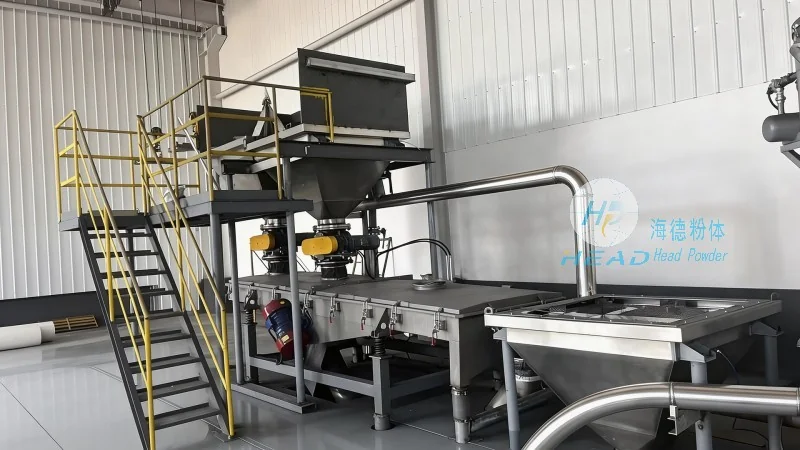
A polypropylene pneumatic conveying system typically consists of several key components, each playing a vital role in the overall operation. The primary components include the material feed hopper, which holds the polypropylene and regulates the flow into the system; the air supply unit, which generates the necessary air pressure and flow; the conveying pipeline, which transports the material; and the discharge unit, which delivers the polypropylene to the next stage. The design of each component is tailored to the specific needs of polypropylene handling. For instance, the feed hopper may incorporate a rotary valve or a screw feeder to control the material discharge rate, preventing blockages and ensuring a steady flow. The air supply unit may use a blower or a compressor, depending on the system's pressure requirements. The pipeline design considers factors such as material abrasiveness and the need for smooth surfaces to minimize wear and material degradation. Advanced technologies, such as positive displacement blowers and variable frequency drives, are often integrated to enhance system efficiency and adaptability. HeadPowder's engineers leverage these technologies to create customized solutions that meet the unique demands of each client.
Advantages of Custom-Designed Polypropylene Pneumatic Conveying Systems
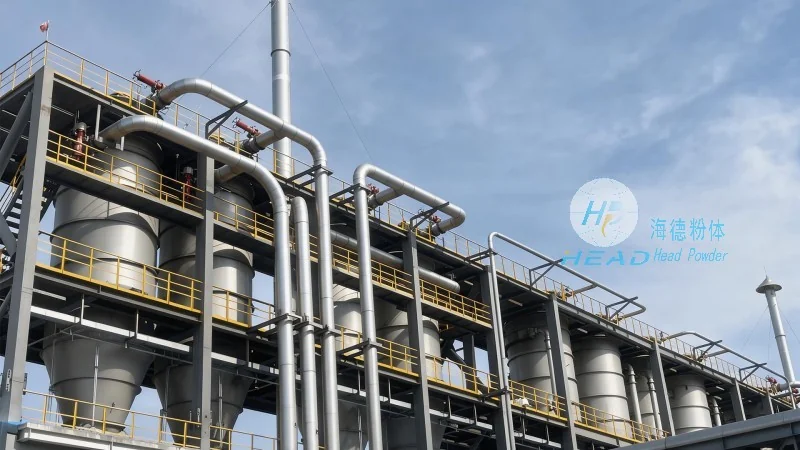
Custom-designed polypropylene pneumatic conveying systems offer numerous advantages over standard off-the-shelf solutions. One of the key benefits is improved material handling efficiency. By optimizing air velocity and pipeline dimensions, the system can achieve higher throughput with lower energy consumption. This leads to cost savings in terms of operational expenses and reduced downtime. Another advantage is enhanced material quality preservation. The design minimizes material contact with metal surfaces and reduces exposure to air, which can cause degradation or contamination. This is particularly important for polypropylene, which is sensitive to moisture and oxidation. Additionally, custom systems allow for seamless integration with existing production lines, reducing the need for major modifications or downtime during installation. The modular design of these systems also facilitates easy maintenance and repairs, as components can be replaced or serviced without disrupting the entire operation. HeadPowder's commitment to quality and customer satisfaction ensures that each system is tailored to the specific needs of the client, delivering long-term performance and reliability.
Application Examples and Case Studies
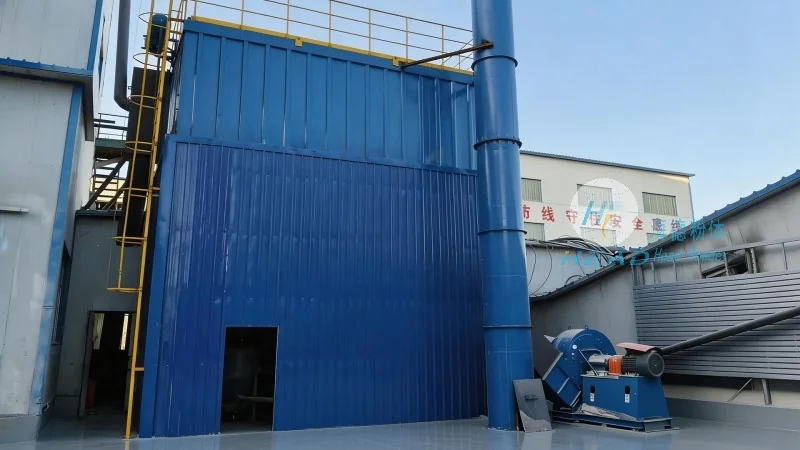
The effectiveness of polypropylene pneumatic conveying systems is demonstrated through various industrial applications. For example, in the plastics manufacturing industry, these systems are used to transport polypropylene from storage silos to extrusion lines, ensuring a continuous supply of material for production. In the packaging sector, they are employed to move polypropylene granules or pellets to blending and compounding units, where they are mixed with other additives before being processed into final products. The food and beverage industry also utilizes these systems for handling polypropylene-based packaging materials, such as films or containers. These applications highlight the versatility and reliability of pneumatic conveying systems in diverse industrial settings. HeadPowder has successfully implemented numerous projects across these sectors, providing tailored solutions that meet the specific requirements of each client. By leveraging their expertise in material handling and system design, HeadPowder has helped clients improve operational efficiency, reduce costs, and enhance product quality.
Conclusion and Future Directions
In conclusion, the design of a polypropylene pneumatic conveying system is a complex yet essential process that requires a deep understanding of material properties, system dynamics, and industrial requirements. Shandong HeadPowder Engineering Co., Ltd. specializes in providing customized solutions that address the unique challenges of polypropylene handling. By focusing on key design considerations, advanced components, and efficient technology, HeadPowder delivers systems that offer superior performance, reliability, and cost-effectiveness. As industrial demands evolve, the importance of efficient material transport systems will continue to grow. HeadPowder remains at the forefront of innovation, developing new solutions that meet the changing needs of the industry while maintaining their commitment to quality and customer satisfaction. For businesses seeking reliable and efficient polypropylene conveying solutions, HeadPowder is a trusted partner in achieving their operational goals.




