Biomass pneumatic conveying equipment is a critical component in modern industrial processes, particularly for the efficient handling and transportation of biomass materials. The design of such equipment involves a comprehensive approach that balances operational efficiency, material compatibility, and system reliability. This article provides an in-depth look at the key aspects of designing biomass pneumatic conveying systems, with a focus on the technical considerations and practical applications that define effective solutions.
Key Design Considerations for Biomass Pneumatic Conveying
The design of biomass pneumatic conveying equipment must address several critical factors to ensure optimal performance. First, the material properties of the biomass being conveyed are paramount. Biomass materials, such as wood chips, pellets, or agricultural residues, vary in density, moisture content, and particle size, which directly impact the conveying velocity and pressure requirements. Engineers must conduct thorough material analysis to determine the appropriate air velocity and pressure levels needed to prevent blockages and ensure consistent flow. Additionally, the system's capacity and throughput requirements are determined by the production scale and operational needs of the facility. For example, a large-scale biomass power plant may require high-capacity conveying systems capable of handling thousands of tons of material per hour, while smaller applications might focus on more compact, low-volume solutions.
Technical Components and System Architecture
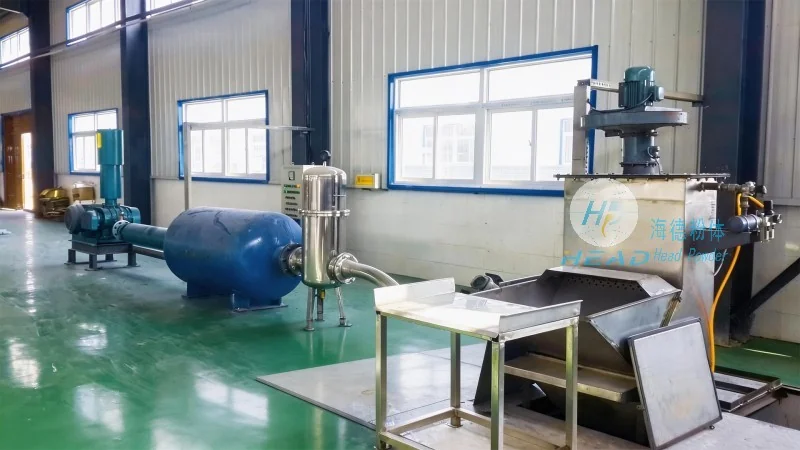
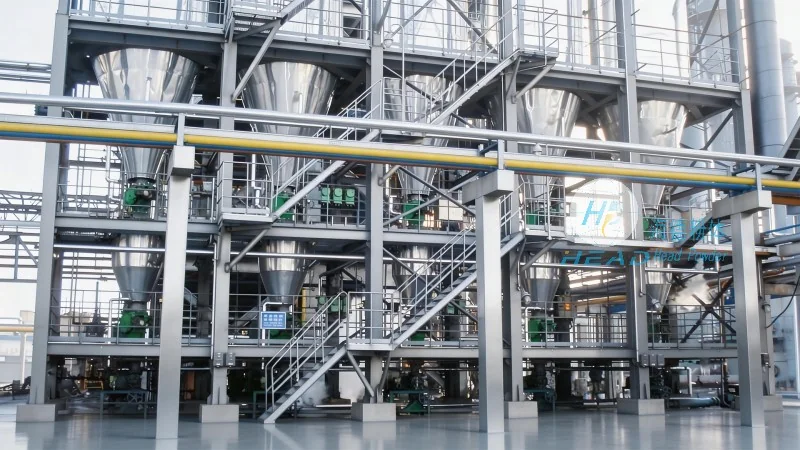
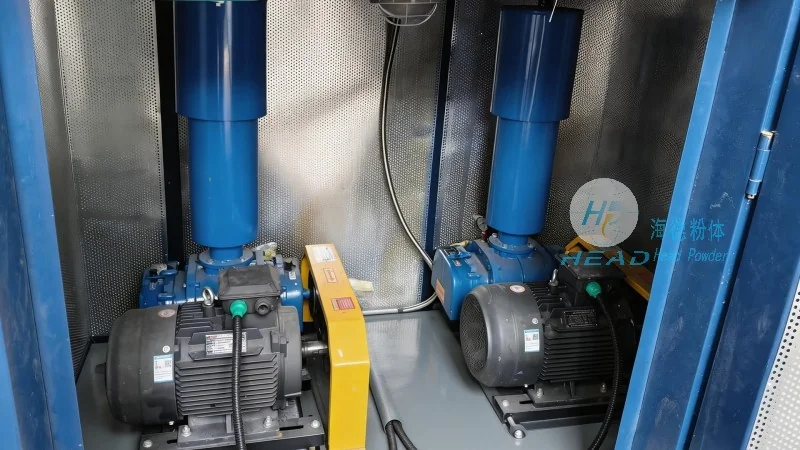
Biomass pneumatic conveying systems typically consist of several key components, each designed to work in harmony to achieve efficient material transport. The primary components include the material feed system, the conveying pipeline, the air supply system, and the control and monitoring mechanisms. The material feed system is responsible for introducing the biomass into the conveying line, often using hoppers or feeders that can handle varying material feed rates. The conveying pipeline is usually made of corrosion-resistant materials, such as stainless steel or polyethylene, to withstand the abrasive nature of biomass particles and prevent material buildup. The air supply system, which may include blowers or compressors, generates the necessary air pressure to move the material through the pipeline. Control systems, including pressure sensors, flow meters, and automation controls, ensure that the system operates within safe and efficient parameters, adjusting air pressure and feed rates as needed to maintain consistent performance.
Design for Material Compatibility and System Longevity
Another critical aspect of biomass pneumatic conveying equipment design is ensuring compatibility with the material being handled. Biomass materials often contain moisture, which can lead to corrosion or material degradation over time if not properly managed. Therefore, materials of construction, such as stainless steel or specialized coatings, are often used to protect the system from corrosion and maintain material integrity. Additionally, the design must account for the potential for material buildup or blockages, which can occur due to variations in particle size or moisture content. Solutions such as pulse-jet cleaning systems or adjustable air velocities are incorporated to prevent blockages and ensure continuous operation. The system's longevity is also a key consideration, as biomass handling equipment is subject to high wear and tear from abrasive particles. Properly designed components, such as wear-resistant liners and durable valves, help extend the system's lifespan and reduce maintenance costs.
Application-Specific Design Solutions
The design of biomass pneumatic conveying equipment is highly customizable to meet the specific needs of different applications. For instance, in biomass power generation, the system may need to transport large volumes of raw material from storage to the boiler, requiring high-capacity, long-distance conveying solutions. In contrast, applications in the food or pharmaceutical industries may require more gentle handling to preserve material quality, leading to the use of low-pressure, low-velocity conveying systems. The choice of conveying method—such as dilute phase or dense phase—also depends on the application. Dilute phase systems use higher air velocities to move material in a suspended state, while dense phase systems use lower velocities to move material in a slurry-like state, which is better for handling fine particles or sensitive materials. Engineers at Shandong HeadPowder Engineering Co., Ltd. specialize in designing tailored solutions that address these specific requirements, ensuring that the equipment is optimized for the unique challenges of each application.
Conclusion and Company Overview
In conclusion, the design of biomass pneumatic conveying equipment is a complex process that requires careful consideration of material properties, operational requirements, and system reliability. By addressing these factors, engineers can develop efficient and durable systems that enhance the productivity and sustainability of biomass handling operations. Shandong HeadPowder Engineering Co., Ltd., a leading provider of biomass processing solutions, has extensive experience in designing and manufacturing high-quality pneumatic conveying equipment. With a focus on innovation and customer-specific solutions, the company ensures that its products meet the demanding needs of modern biomass applications, contributing to the efficient and sustainable use of renewable energy sources. Based in Shandong, China, HeadPowder combines advanced engineering expertise with practical application knowledge to deliver reliable and effective biomass handling systems for a wide range of industries.




