For businesses in the spice processing industry, especially those handling dried chilies, efficient and reliable material handling systems are crucial. The design of a pneumatic conveying device tailored for dried chili peppers represents a significant advancement in processing technology, offering solutions that enhance productivity while maintaining product quality. This article explores the key aspects of such a device, highlighting its design principles, operational benefits, and the engineering expertise behind its development.
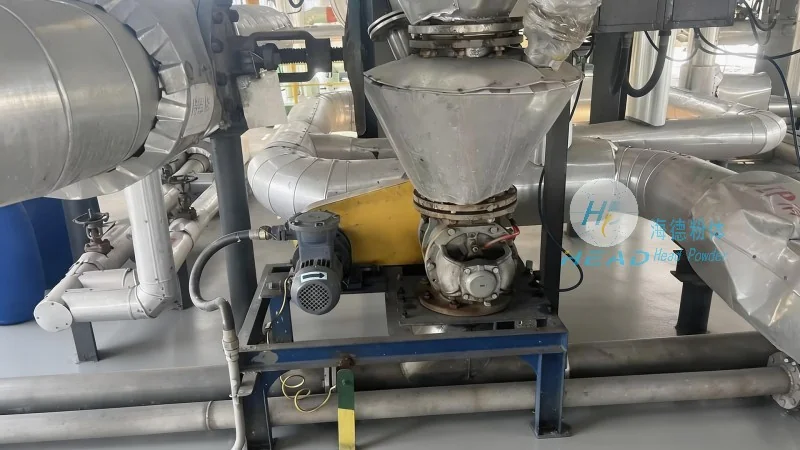
Introduction to Pneumatic Conveying Systems for Dried Chilies
Pneumatic conveying systems are widely used in the food processing sector to transport dry, free-flowing materials like dried chilies. These systems utilize air pressure to move products through a pipeline, eliminating the need for mechanical components that could potentially damage delicate spices or introduce contaminants. The design of a specialized device for dried chilies must consider several factors, including material characteristics, processing requirements, and operational efficiency. By addressing these elements, the system can effectively handle the unique challenges associated with chili processing, such as dust generation, temperature sensitivity, and the need for hygienic handling.
Key Design Considerations for the Device
The design of a pneumatic conveying device for dried chilies involves careful consideration of multiple technical and operational aspects. First, the material's physical properties, such as particle size, moisture content, and bulk density, play a critical role in determining the appropriate conveying method. Dried chilies often have irregular shapes and varying sizes, which can affect airflow and pressure requirements. The system must be engineered to handle these variations without causing blockages or excessive energy consumption. Additionally, the device must incorporate features that ensure minimal product degradation, as chili peppers are sensitive to heat and mechanical stress. This includes the use of low-temperature air, gentle air velocities, and smooth internal surfaces to prevent abrasion or breakage.
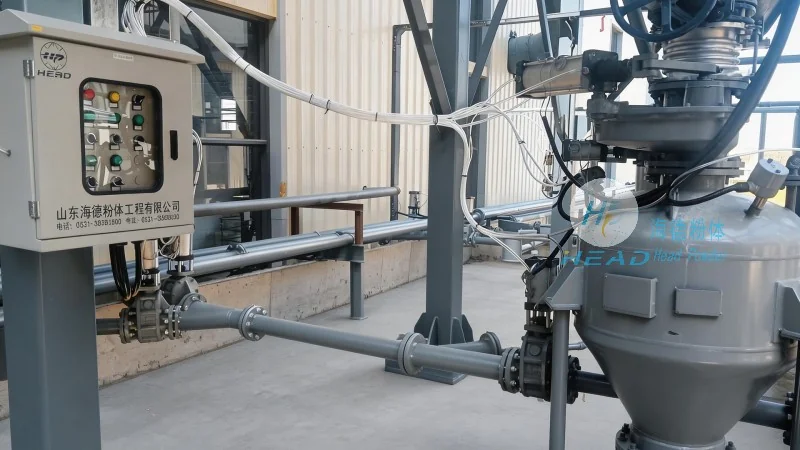
Another critical design consideration is the system's capacity and scalability. Depending on the production volume, the conveying device may need to handle varying quantities of dried chilies. The design must allow for easy adjustments to meet different throughput requirements, ensuring flexibility in operations. Furthermore, the system should be designed for easy maintenance and cleaning, as hygiene is paramount in food processing. The use of stainless steel components and easy-to-access parts facilitates regular cleaning and inspection, maintaining compliance with food safety regulations.
Operational Benefits and Performance Metrics
The pneumatic conveying device for dried chilies offers several operational benefits that enhance overall processing efficiency. One of the primary advantages is the reduction in labor costs associated with manual handling and material transport. By automating the conveying process, the system minimizes the risk of human error and improves consistency in product movement. Additionally, the system can be integrated with other processing equipment, such as sorting, packaging, or storage systems, creating a seamless workflow that optimizes production time. Performance metrics, such as conveying velocity, pressure drop, and energy consumption, are carefully monitored to ensure the system operates at peak efficiency. These metrics help in optimizing the system's performance over time, reducing operational costs and maximizing productivity.
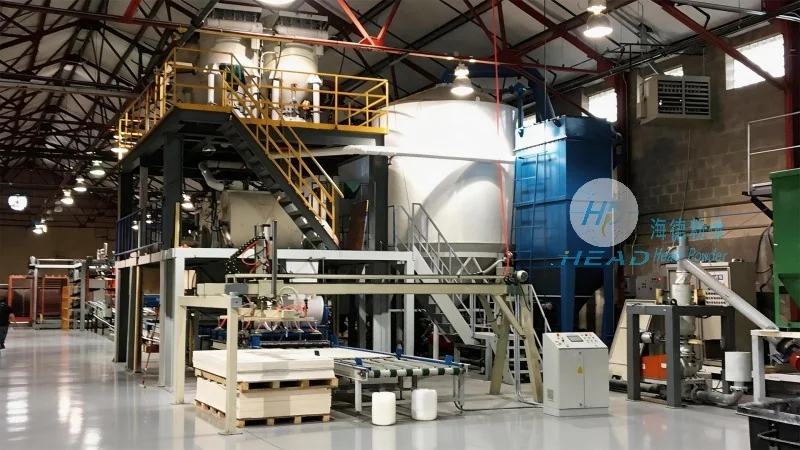
Engineering Expertise and Manufacturing by Shandong HeadPowder Engineering Co., Ltd.
Shandong HeadPowder Engineering Co., Ltd., a leading manufacturer in the field, specializes in the design and production of pneumatic conveying systems tailored to the needs of the spice industry. With a focus on innovation and customer-centric solutions, the company has developed a range of equipment that meets the stringent requirements of food processing. The company's expertise lies in understanding the unique challenges of handling dried chilies and translating them into effective engineering solutions. The design team at HeadPowder leverages advanced computational fluid dynamics (CFD) and material testing to ensure that each device is optimized for performance and reliability. This approach results in systems that not only meet but often exceed industry standards, providing long-term value to clients.
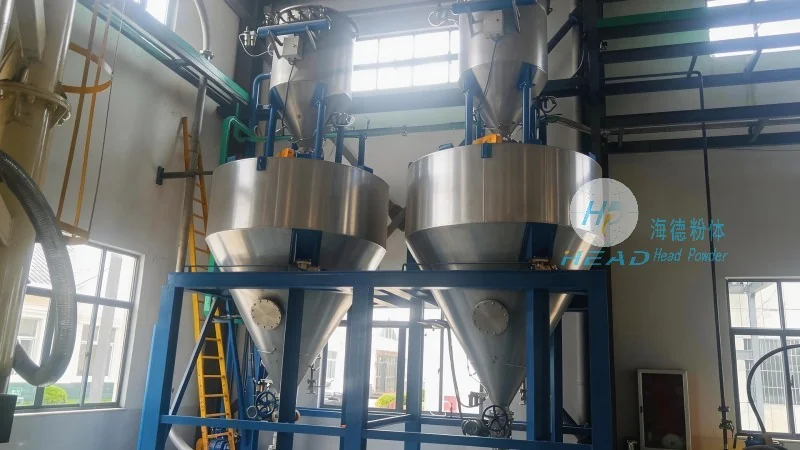
HeadPowder's commitment to quality is evident in its manufacturing processes. The company uses high-quality materials, such as stainless steel and food-grade components, to ensure the device's durability and hygiene. Each unit undergoes rigorous testing before delivery, including pressure tests, airflow simulations, and material compatibility checks. This ensures that the final product is reliable and performs as expected in real-world applications. The company also provides comprehensive after-sales support, including installation assistance, maintenance guidance, and technical support, to help clients maximize the system's lifespan and operational efficiency.
Conclusion and Application in the Industry
In conclusion, the design of a pneumatic conveying device for dried chilies is a critical component in modern spice processing operations. By addressing the unique challenges of handling dried chilies, such as dust control and product integrity, the system enhances productivity and maintains quality standards. The engineering solutions provided by companies like Shandong HeadPowder Engineering Co., Ltd. play a vital role in advancing the industry, offering tailored systems that meet the specific needs of clients. As the demand for efficient and reliable material handling increases, the pneumatic conveying device remains a preferred choice for businesses looking to optimize their processing operations. With its ability to handle varying production volumes and maintain hygiene standards, this technology continues to be a cornerstone in the spice processing industry.




