HeadPowder, a leading engineering firm based in Shandong, China, specializes in the design and implementation of advanced dry ash handling solutions. The company's expertise lies in creating efficient and reliable negative pressure pneumatic conveying systems tailored for the transportation of dry ash from various industrial sources. This article provides an in-depth look at the design principles, key components, and operational considerations of such systems, emphasizing the technical aspects that ensure optimal performance and durability.
Key Design Considerations for Dry Ash Negative Pressure Pneumatic Conveying
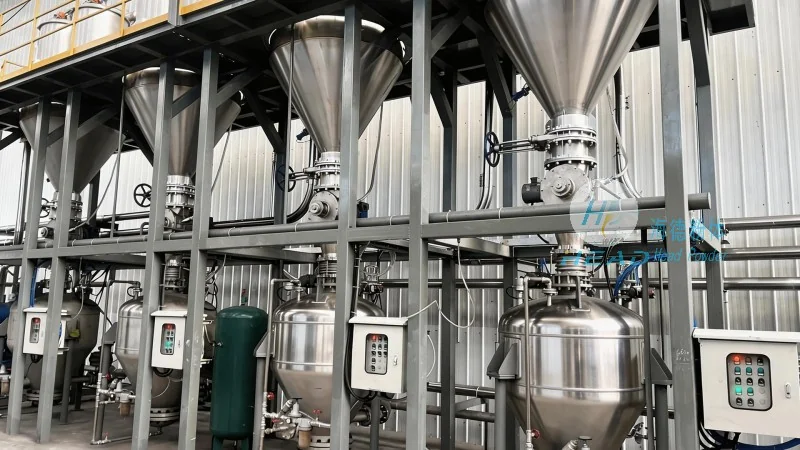
The design of a dry ash negative pressure pneumatic conveying system involves several critical factors that directly impact its efficiency, safety, and longevity. One of the primary considerations is the selection of appropriate materials for the system components, as dry ash often contains abrasive particles that can cause wear and tear over time. High-quality materials, such as stainless steel or specialized alloys, are typically used for the conveying pipes, hoppers, and valves to ensure resistance to corrosion and abrasion. Additionally, the system's layout and configuration are carefully planned to minimize pressure losses and maintain consistent airflow, which is essential for maintaining the desired conveying velocity and preventing material blockages.
Core Components and Their Functions in the System
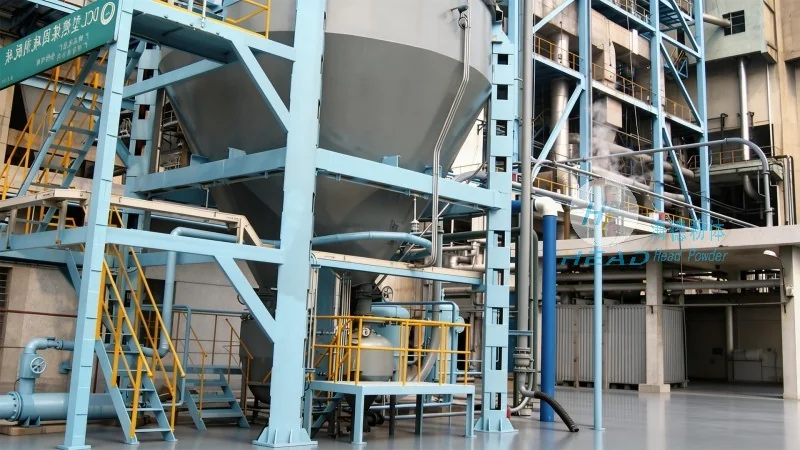
A dry ash negative pressure pneumatic conveying system comprises several interrelated components, each playing a vital role in the overall operation. The primary components include the ash hopper, which serves as the storage and feeding unit, equipped with a rotary valve or feeder to control the flow of dry ash into the system. The conveying line, typically made of flexible or rigid ducts, transports the ash from the hopper to the discharge point under negative pressure. The system also features a blower or fan that generates the necessary suction to draw the ash through the ducts, ensuring a consistent flow rate. Additionally, filters and dust collection systems are integrated to capture any fine particles and maintain air quality, while pressure sensors and control valves regulate the system's performance and prevent overloading.
Operational Efficiency and Maintenance Strategies
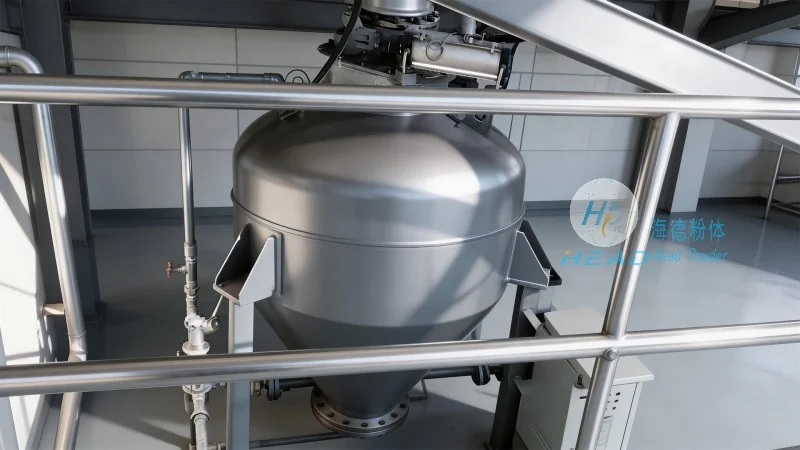
Ensuring the long-term efficiency of a dry ash negative pressure pneumatic conveying system requires regular maintenance and adherence to operational best practices. Regular inspections of the conveying pipes and components for signs of wear or blockages are essential to prevent system failures. Cleaning procedures, such as reverse air or pulse jet cleaning, are often employed to remove accumulated ash and maintain optimal airflow. Furthermore, the system's control system, which includes sensors for pressure, flow, and temperature, helps monitor performance and trigger alerts for any deviations from normal operating conditions. By implementing a proactive maintenance schedule and utilizing advanced monitoring technologies, the system's reliability and operational lifespan can be significantly extended.
Application and Industry Relevance
Dry ash negative pressure pneumatic conveying systems are widely used in various industrial applications, particularly in power plants and waste management facilities, where the efficient and safe transportation of dry ash is critical. These systems offer several advantages over traditional conveying methods, including reduced labor costs, minimized environmental impact, and improved safety by eliminating the need for manual handling of ash. The design of such systems is tailored to meet the specific requirements of each application, ensuring that the system operates within the optimal parameters for the particular ash characteristics and conveying distances. As a result, these systems contribute to enhanced operational efficiency and reduced downtime in industrial settings.
Conclusion
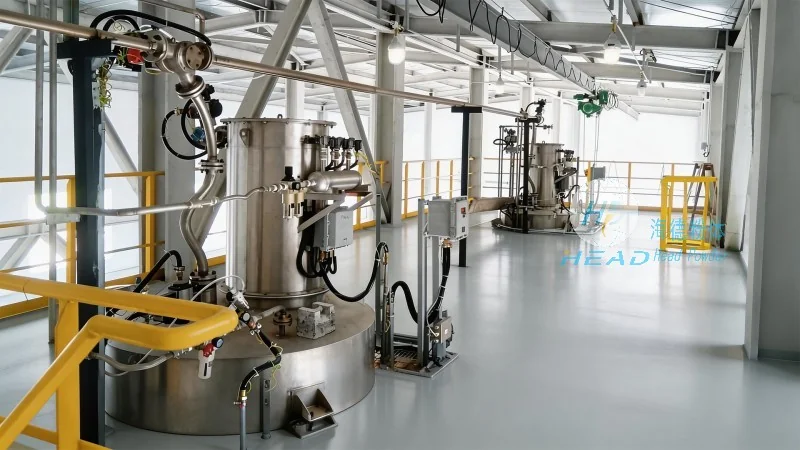
HeadPowder Engineering Co., Ltd., with its headquarters in Shandong, China, continues to lead in the development of innovative dry ash negative pressure pneumatic conveying systems. By focusing on robust design, high-quality materials, and comprehensive operational strategies, the company ensures that its systems meet the stringent demands of modern industrial applications. The integration of advanced technology and meticulous engineering principles in the design process results in reliable, efficient, and cost-effective solutions for dry ash handling, supporting the sustainability and productivity of various industrial sectors.




