When it comes to pneumatic conveying systems for transporting materials like stone and coal, the choice between negative pressure and positive pressure systems is a critical decision for industries seeking efficient, reliable material handling solutions. Pneumatic conveying uses air to move bulk materials through a pipeline, and the pressure differential between the conveying system and the surrounding environment determines whether the system operates under negative or positive pressure conditions. Understanding the advantages and disadvantages of each approach is essential for selecting the most suitable technology for specific applications.
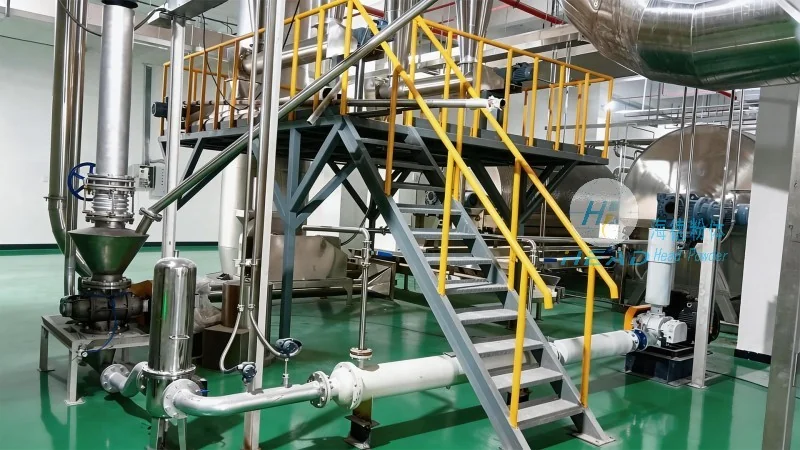
Negative Pressure Pneumatic Conveying: Key Characteristics and Performance
Negative pressure, also known as suction or vacuum conveying, operates by creating a lower pressure inside the conveying line compared to the ambient air pressure. This pressure difference draws material from the source into the system using a vacuum pump or fan. This method is particularly effective for handling materials that are dusty or have a tendency to create dust during transport. The primary advantage of negative pressure systems is their ability to handle fine or powdery materials without the risk of material being released into the environment, as the system draws material into the line rather than expelling it. This makes negative pressure conveying ideal for applications where material containment and dust control are paramount.
However, negative pressure systems have several limitations. One of the main drawbacks is their lower conveying capacity compared to positive pressure systems. The suction force is limited by the vacuum pump's capacity, which restricts the volume of material that can be transported at a given time. Additionally, negative pressure systems are more susceptible to blockages and clogging, especially with materials that have high moisture content or are prone to agglomerating. The vacuum created can also lead to the intake of air or other gases, which may affect the material's quality or cause operational inefficiencies. Maintenance requirements are also higher due to the need for regular cleaning of the suction inlet and the vacuum pump components.
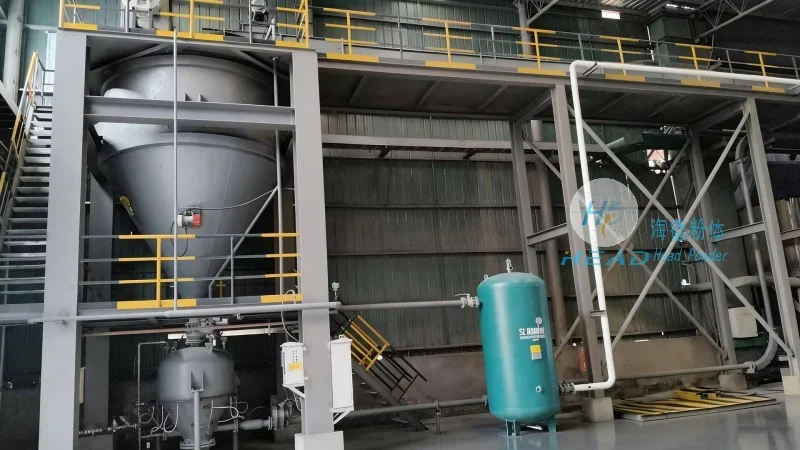
Positive Pressure Pneumatic Conveying: Advantages and Limitations
Positive pressure, or pressure conveying, works by forcing air and material through the pipeline using a positive pressure blower or compressor. The pressure inside the conveying line is higher than the ambient air pressure, pushing material from the source to the destination. This method is generally more suitable for transporting larger particles or bulkier materials, as the higher pressure can handle more material volume and reduce the risk of blockages. The main advantage of positive pressure systems is their higher conveying capacity and ability to transport materials over longer distances without significant pressure loss. They are also more effective at handling abrasive or corrosive materials, as the system can be designed with more robust components to withstand the higher pressures and material impacts.
Despite these benefits, positive pressure conveying has its own set of disadvantages. The most significant drawback is the potential for material to be released into the environment during transport, especially if the system is not properly sealed. This can lead to dust emissions and environmental concerns, requiring additional dust control measures such as filters or enclosures. The higher pressure also increases the risk of system wear and tear, particularly on the blower and pipeline components, leading to higher maintenance costs over time. Additionally, positive pressure systems may not be as effective for handling fine powders or materials that are prone to dusting, as the high pressure can cause material to be expelled from the system rather than being drawn in.
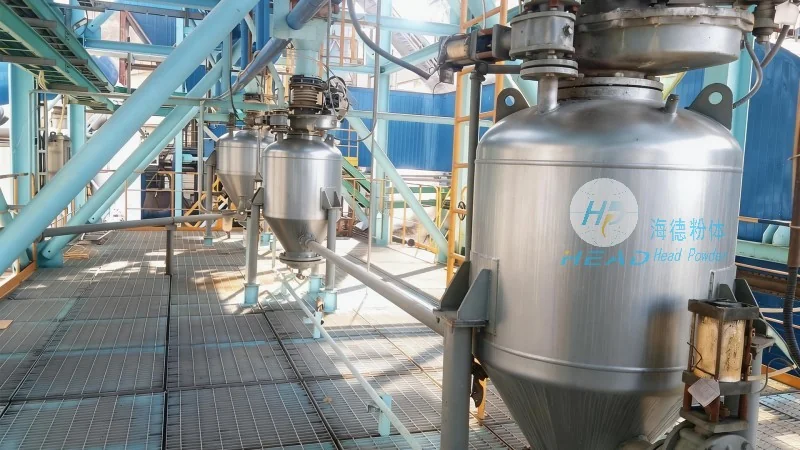
Comparative Analysis: Which System is Right for Your Application?
When deciding between negative and positive pressure pneumatic conveying for stone and coal gas, several factors must be considered. The first is the material characteristics, including particle size, moisture content, and dust generation potential. Fine powders and materials with high dust content are better suited for negative pressure systems due to their superior containment capabilities. In contrast, larger, bulkier materials or those with low dust generation are more suitable for positive pressure systems, which offer higher capacity and longer transport distances.
Another critical factor is the distance and layout of the conveying system. Positive pressure systems are generally more effective for longer distances, as the pressure can be maintained over greater lengths without significant loss. Negative pressure systems are more limited in distance due to the vacuum pump's capacity and the risk of pressure drop over long pipelines. The cost of equipment and maintenance is also a key consideration. Negative pressure systems may have lower initial equipment costs but higher maintenance due to the vacuum pump and suction inlet components. Positive pressure systems have higher initial costs for the blower and pressure-resistant components but may have lower maintenance requirements over time.
Environmental regulations and safety considerations also play a role in the decision-making process. Negative pressure systems are often preferred in applications where dust control and environmental compliance are strict, as they minimize the risk of material release. Positive pressure systems may require additional safety measures, such as explosion-proof components, if the material being transported is flammable or explosive.
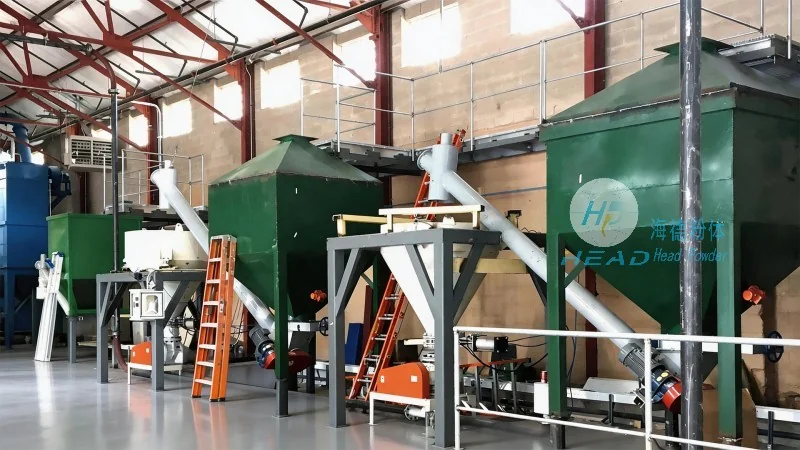
HeadPowder: Your Partner in Pneumatic Conveying Solutions
At Shandong HeadPowder Engineering Co., Ltd., we specialize in designing and manufacturing customized pneumatic conveying systems tailored to the unique needs of stone and coal gas industries. Our team of experts works closely with clients to assess their material characteristics, transport requirements, and operational constraints to recommend the most efficient and cost-effective conveying solution. Whether you need a negative pressure system for dust control or a positive pressure system for high-capacity transport, we provide comprehensive solutions that meet your specific requirements.
Our products include a range of vacuum and pressure conveying equipment, such as rotary valves, airlocks, and material feeders, designed to ensure smooth and reliable material flow. We also offer advanced control systems and monitoring tools to optimize system performance and minimize downtime. With our commitment to quality and customer satisfaction, HeadPowder is your trusted partner for all your pneumatic conveying needs. Located in Shandong, China, we serve clients worldwide with expertise and reliability.




