Pyrolysis char, a valuable byproduct from the pyrolysis process, often requires efficient and reliable material handling systems for transportation. Among the various methods available, pneumatic conveying stands out as a popular choice due to its ability to transport bulk materials over long distances with minimal manual intervention. In this context, the choice between negative pressure (suction) and positive pressure (blowing) conveying systems becomes critical. This article provides a detailed comparison of the advantages and disadvantages of both approaches, helping industry professionals make informed decisions based on their specific operational needs.
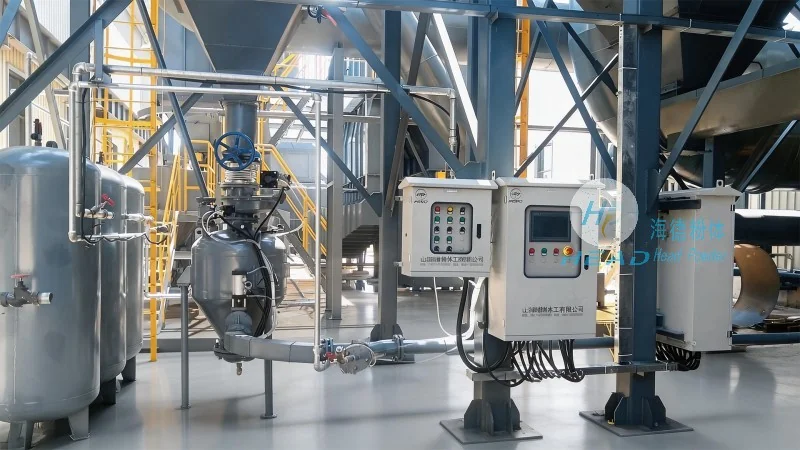
Introduction to Pneumatic Conveying Systems
Pneumatic conveying is a method of transporting bulk materials by using a stream of air to move particles through a pipeline. The two primary types are negative pressure (or suction) conveying and positive pressure (or blowing) conveying. Each system operates on a different principle, offering distinct benefits and challenges. Understanding these differences is essential for selecting the most suitable system for pyrolysis char handling, which is characterized by its fine particle size, potential moisture content, and varying flow characteristics.
Company Overview: Shandong HeadPowder Engineering Co., Ltd.
Shandong HeadPowder Engineering Co., Ltd., a leading provider of advanced material handling solutions, specializes in designing and manufacturing customized pneumatic conveying systems tailored to the unique requirements of industrial applications. With a strong focus on innovation and customer satisfaction, the company has established itself as a trusted partner in the pyrolysis and related industries. HeadPowder's expertise lies in optimizing material transport efficiency while ensuring safety, reliability, and cost-effectiveness. The company's solutions are backed by rigorous engineering, quality control, and ongoing technical support, making them a preferred choice for businesses seeking to enhance their material handling processes.
Advantages and Disadvantages of Negative Pressure Conveying for Pyrolysis Char
Negative pressure conveying, also known as suction conveying, operates by creating a vacuum in the pipeline to draw material from the source to the destination. This method is particularly effective for transporting fine particles and materials that are prone to dust generation. One of the key advantages of negative pressure systems is their ability to handle materials with high moisture content or sticky properties, as the vacuum helps maintain material flow without clogging. Additionally, these systems are generally more energy-efficient compared to positive pressure systems, as they require less power to maintain the vacuum state. The low operating pressure also reduces the risk of material degradation or damage, which is crucial for pyrolysis char, which may be sensitive to high temperatures or mechanical stress.
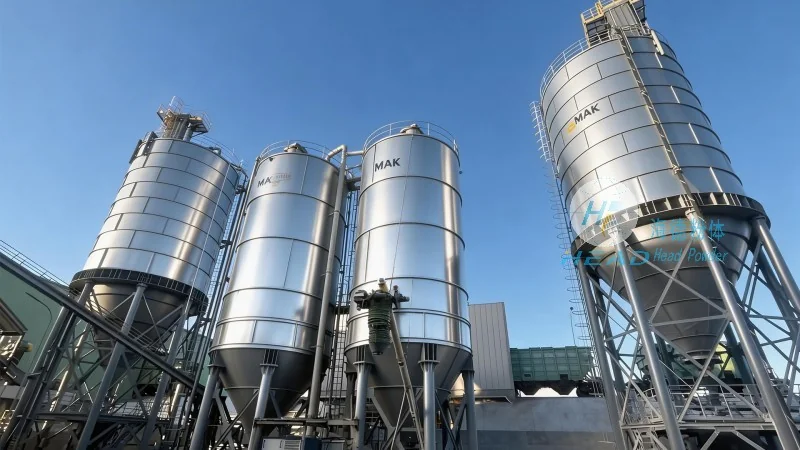
However, negative pressure conveying has several notable disadvantages. The primary drawback is the limited conveying distance and capacity. The vacuum pressure drop over long distances can be significant, reducing the effective transport range. This limitation makes negative pressure systems less suitable for long-distance transport or large-scale operations. Another challenge is the risk of air leakage and system contamination, as the system operates under negative pressure, making it vulnerable to external air ingress. This can lead to dust emissions and environmental concerns, requiring additional filtration and sealing measures. Furthermore, the initial setup and maintenance costs can be higher due to the need for robust vacuum pumps and more complex pipeline designs to prevent air leaks.
Advantages and Disadvantages of Positive Pressure Conveying for Pyrolysis Char
Positive pressure conveying, or blowing conveying, uses compressed air to push material through the pipeline. This method is generally more suitable for longer conveying distances and larger material volumes. One of the main advantages of positive pressure systems is their ability to transport materials over extended distances without significant pressure loss. The high pressure air ensures consistent material flow, making it ideal for applications requiring reliable and continuous transport. Positive pressure systems also offer better control over material velocity and flow rate, allowing for precise regulation of the conveying process. This is particularly beneficial for pyrolysis char, which may vary in particle size and density, as the system can be adjusted to handle different material characteristics.
Despite these advantages, positive pressure conveying has its own set of drawbacks. The most significant disadvantage is the higher energy consumption compared to negative pressure systems. Compressed air generation requires substantial power, increasing operational costs. Additionally, the high pressure air can cause material degradation, especially for heat-sensitive pyrolysis char, as the air stream may introduce heat or mechanical stress. This can affect the quality and properties of the material, making it less suitable for certain applications. Another challenge is the potential for material degradation due to friction and abrasion within the pipeline, which can lead to increased wear and tear on components. Furthermore, positive pressure systems may require more frequent maintenance due to the higher stress on components, such as air compressors and pipeline fittings.
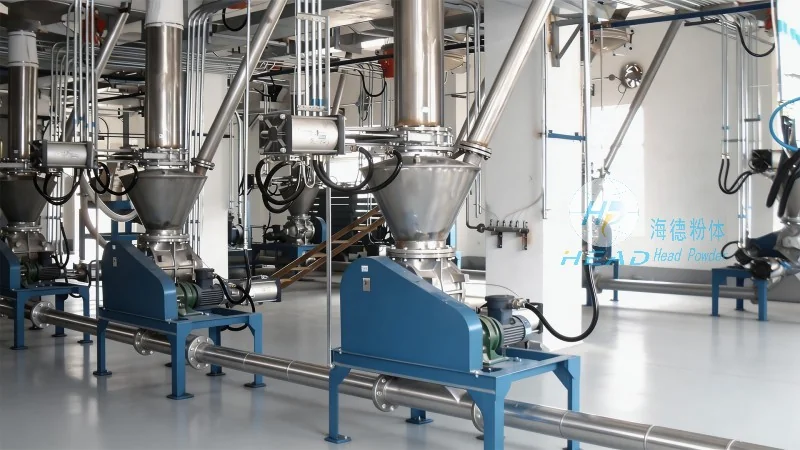
Key Considerations for Selecting the Right Conveying System
When choosing between negative and positive pressure conveying for pyrolysis char, several factors must be considered. The primary factor is the conveying distance and required capacity. For short distances and moderate volumes, negative pressure systems may be sufficient and cost-effective. However, for long-distance transport or large-scale operations, positive pressure systems are generally more suitable due to their higher capacity and extended range. The material properties of pyrolysis char also play a crucial role. If the material is fine, has high moisture content, or is prone to dust, negative pressure systems may be preferred for their ability to handle such characteristics without clogging. Conversely, if the material is coarse or requires high flow rates over long distances, positive pressure systems offer better performance.
Operational costs and energy efficiency are also critical considerations. Negative pressure systems are generally more energy-efficient and have lower operational costs, making them attractive for applications with limited budget constraints. Positive pressure systems, while more expensive to operate, may be justified for long-term, high-volume operations where the benefits of extended range and capacity outweigh the higher energy costs. Environmental and safety factors should not be overlooked. Negative pressure systems may require additional filtration to control dust emissions, while positive pressure systems need proper ventilation to prevent air contamination. The risk of fire or explosion in the presence of pyrolysis char, which is flammable, must be carefully managed by selecting appropriate materials and system designs.
Conclusion
In conclusion, both negative pressure and positive pressure pneumatic conveying systems offer viable options for transporting pyrolysis char, each with its own set of advantages and disadvantages. The choice between the two depends on specific operational requirements, including conveying distance, material properties, and budget constraints. Shandong HeadPowder Engineering Co., Ltd. provides expert guidance and customized solutions to help businesses select the most appropriate system for their needs. By understanding the nuances of each approach, industry professionals can optimize their material handling processes, enhance efficiency, and ensure safe and reliable operation. The key is to balance the benefits of each system with the specific challenges of pyrolysis char to achieve the best possible outcome.




