HeadPowder, a leading provider of material handling solutions, specializes in pneumatic conveying systems for various industrial powders, including silicone powder. The company, based in Shandong, China, offers comprehensive engineering services and equipment tailored to the unique challenges of powder transport in the silicone industry. This article explores the comparative analysis of negative pressure and positive pressure pneumatic conveying methods, highlighting their respective advantages and disadvantages to help clients make informed decisions for their operations.
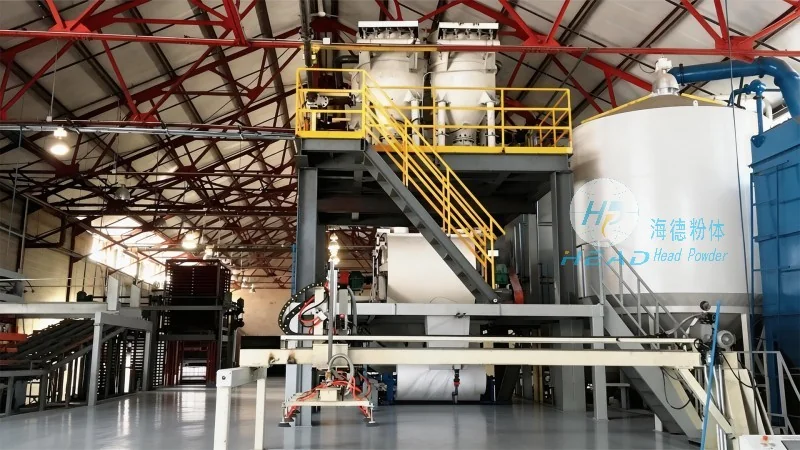
Pneumatic Conveying Fundamentals in Silicone Powder Handling
Pneumatic conveying is a critical technology for transporting fine powders like silicone powder, which are often sensitive to handling conditions. The method involves using air to move particles through a pipeline, either by creating a vacuum (negative pressure) or pressurizing the system (positive pressure). Both approaches have distinct characteristics that impact efficiency, cost, and operational safety. Understanding these differences is essential for optimizing material flow and minimizing downtime in production lines.
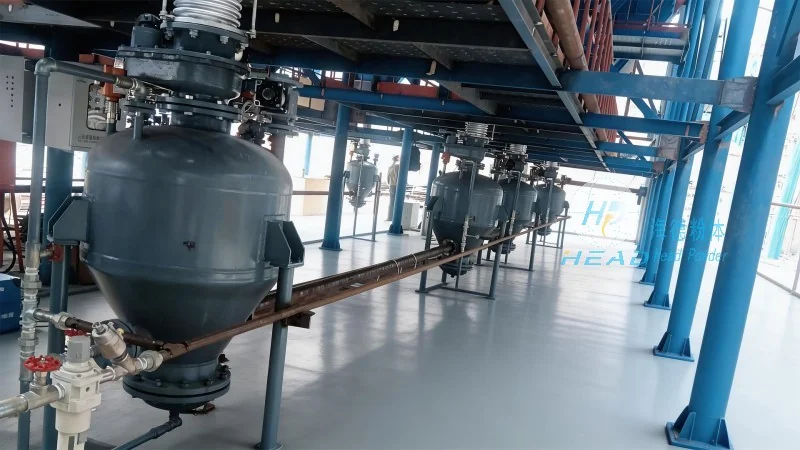
Advantages and Disadvantages of Negative Pressure Pneumatic Conveying
Negative pressure, or vacuum, pneumatic conveying systems operate by drawing material into a receiver under reduced pressure. This approach is particularly effective for long-distance transport and when the material source is at a higher elevation than the destination. One of the key advantages is the ability to handle materials that are prone to dust generation or contamination, as the system can be designed to minimize exposure to the environment. Additionally, negative pressure systems are generally less complex in terms of equipment, requiring fewer components like high-pressure pumps compared to positive pressure systems. However, they have limitations, such as lower conveying velocities and reduced capacity for abrasive or heavy powders. The vacuum process also demands more energy to maintain the pressure differential, which can increase operational costs over time. Furthermore, the system may be more susceptible to blockages if the material is sticky or has high moisture content, as the reduced pressure can cause particles to adhere to pipeline walls.
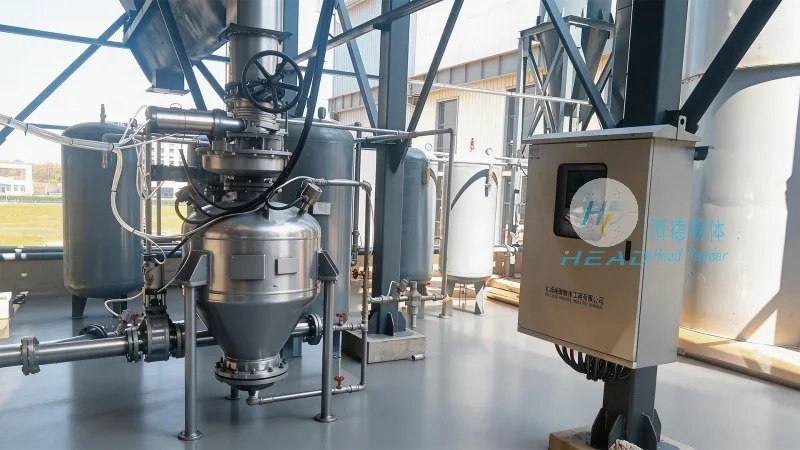
Advantages and Disadvantages of Positive Pressure Pneumatic Conveying
Positive pressure pneumatic conveying, on the other hand, uses compressed air to push material through the pipeline. This method is ideal for short to medium distances and when the material source is at a lower elevation than the destination. A significant advantage of positive pressure systems is their higher conveying velocities and greater capacity, making them suitable for transporting larger quantities of silicone powder quickly. The pressurized environment also helps in maintaining material integrity, as it reduces the risk of dust dispersion and contamination. Moreover, positive pressure systems can handle more abrasive or heavy powders without significant wear on components, as the high-pressure air provides better particle acceleration. However, these systems require robust equipment, including high-capacity blowers or compressors, which can increase initial investment and maintenance costs. The pressurized pipeline also poses safety risks, such as the potential for explosion if the system is not properly sealed or if flammable materials are being conveyed. Additionally, the high pressure can lead to increased energy consumption, especially for long-distance transport, as more air is needed to maintain the pressure.
Comparative Analysis: Key Factors to Consider
When choosing between negative and positive pressure pneumatic conveying for silicone powder, several factors must be evaluated. The distance between the source and destination is a primary consideration; negative pressure is often preferred for longer distances, while positive pressure is more efficient for shorter distances. The physical properties of the silicone powder, such as particle size, density, and moisture content, also play a crucial role. For example, fine, dry powders may perform better in negative pressure systems due to lower friction, whereas coarse or sticky powders might benefit from the higher pressure and acceleration of positive pressure systems. The cost of equipment and operational expenses is another critical factor. Negative pressure systems typically have lower upfront costs but higher energy consumption, whereas positive pressure systems have higher initial costs but potentially lower energy use for short distances. Operational safety and environmental considerations are also important. Negative pressure systems are generally safer in terms of dust exposure, while positive pressure systems require strict safety protocols to prevent leaks and explosions. Ultimately, the choice between negative and positive pressure pneumatic conveying depends on the specific application requirements, including production scale, material characteristics, and budget constraints.
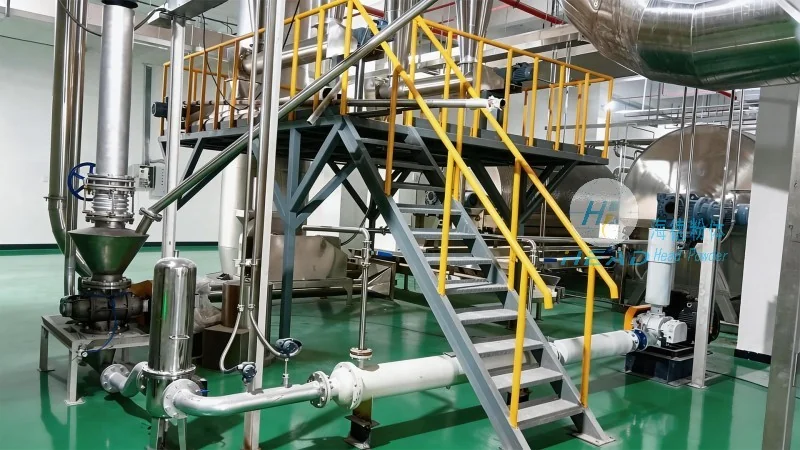
HeadPowder's Expertise in Pneumatic Conveying Solutions
HeadPowder Engineering Co., Ltd., based in Shandong, China, leverages its expertise in pneumatic conveying technology to design and implement customized solutions for silicone powder handling. The company’s engineers conduct thorough assessments of client operations to determine the most suitable conveying method, whether negative or positive pressure, based on the outlined factors. By integrating advanced components, such as high-efficiency blowers, vacuum pumps, and specialized pipeline designs, HeadPowder ensures optimal performance and reliability. The company also provides ongoing support and maintenance services to minimize downtime and maximize the lifespan of the conveying systems. With a focus on quality and customer satisfaction, HeadPowder helps silicone manufacturers enhance their production efficiency and maintain compliance with industry standards.




