When it comes to transporting calcium sulfate, selecting the right pneumatic conveying method is crucial for efficiency and operational success. Two primary approaches dominate the industry: positive pressure conveying and negative pressure conveying. This analysis delves into the characteristics, advantages, and practical applications of each method, providing insights for industrial operators and engineers.
Understanding Positive Pressure Conveying
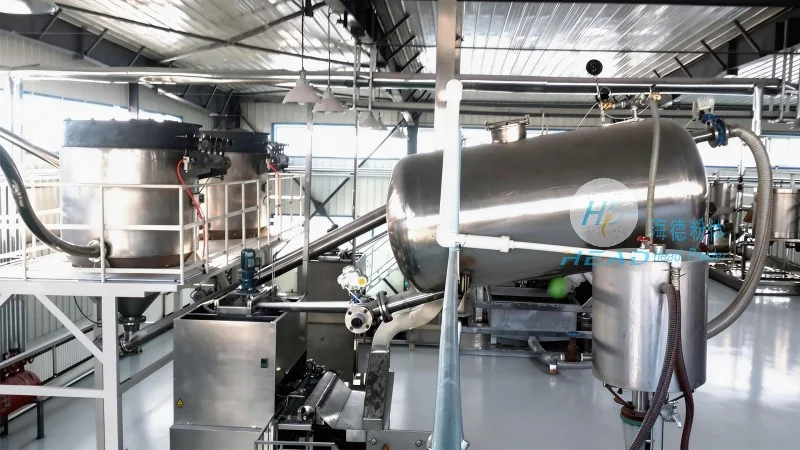
Positive pressure conveying, also known as pressure pneumatic conveying, operates by blowing air or a gas mixture into the conveying system under pressure. The material is drawn into the system and transported through a network of pipes. In the context of calcium sulfate, this method is particularly effective for long-distance or high-volume transport. The high pressure ensures consistent flow and minimizes the risk of material blockages. The system typically includes a blower or compressor at the inlet, which generates the necessary pressure to move the material. This approach is well-suited for applications where the material is to be delivered to multiple destinations or over extended distances.
Key Advantages of Positive Pressure Conveying
One of the most significant benefits of positive pressure conveying is its ability to handle a wide range of material properties. Calcium sulfate, with its fine to medium particle size, responds well to the high-pressure environment, ensuring reliable transport. The method also offers excellent control over the conveying rate, allowing operators to adjust the flow based on demand. Additionally, positive pressure systems are generally more robust and less prone to clogging compared to negative pressure systems, making them ideal for abrasive or sticky materials like calcium sulfate. The closed system design also helps in maintaining product quality by preventing contamination from external sources.
Challenges and Considerations for Positive Pressure Conveying
Despite its advantages, positive pressure conveying has its limitations. The high-pressure operation requires more robust equipment, which can increase initial investment costs. Maintenance of the blower and compressor is also more intensive, as these components are under constant stress. Furthermore, the system may generate more noise and require additional safety measures due to the pressurized environment. In applications involving calcium sulfate, the risk of dust explosion is a critical consideration, as positive pressure systems can accumulate static charge and dust. Proper grounding and explosion-proof designs are essential to mitigate these risks.
Exploring Negative Pressure Conveying
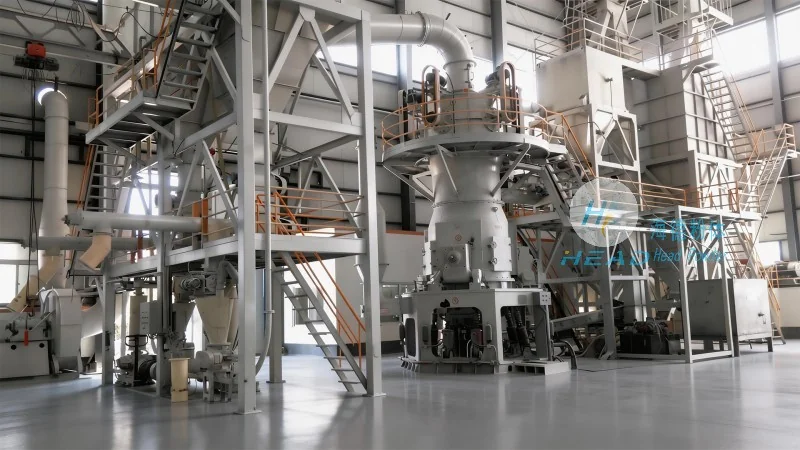
Negative pressure conveying, or vacuum pneumatic conveying, operates by creating a vacuum at the inlet of the system, drawing material into the pipe and transporting it to the destination. This method is often preferred for shorter distances or when the material needs to be collected from multiple points. The vacuum is generated by a fan or vacuum pump, which pulls the material through the system. Unlike positive pressure, negative pressure systems do not require high-pressure components, making them potentially more cost-effective for shorter runs.
Advantages of Negative Pressure Conveying
One of the main advantages of negative pressure conveying is its lower initial cost and simpler design. The absence of high-pressure blowers reduces both capital and operational expenses. The system is also less likely to cause dust explosions, as the vacuum environment reduces the risk of dust accumulation and static charge. This makes it suitable for applications where safety is a top priority. Additionally, negative pressure systems can handle materials with higher moisture content or more delicate characteristics, as the lower pressure and vacuum environment are less likely to damage the product.
Limitations of Negative Pressure Conveying
However, negative pressure conveying has its drawbacks. The vacuum system is more susceptible to clogging, especially with fine or cohesive materials like calcium sulfate. The lower pressure can lead to reduced conveying efficiency over longer distances or with larger particle sizes. The system also requires careful maintenance to prevent leaks, as any breach in the vacuum can compromise the entire operation. Furthermore, the vacuum fan may generate more noise and require additional filtration to manage dust emissions, which can impact the overall environmental footprint.
Comparative Analysis: Positive vs. Negative Pressure Conveying
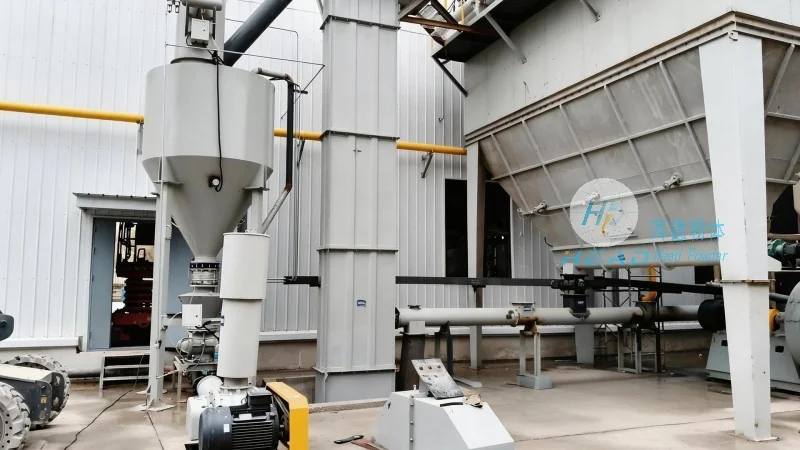
When comparing positive and negative pressure conveying for calcium sulfate, several factors come into play. The choice often depends on the specific application requirements, such as distance, volume, and material characteristics. For long-distance or high-volume transport, positive pressure conveying is generally more efficient due to its higher pressure and better control over flow. It is particularly effective for transporting calcium sulfate over distances exceeding 100 meters or for delivering to multiple points. On the other hand, negative pressure conveying is better suited for shorter distances, where the material is collected from a single source or a few points. It is also advantageous when the primary concern is cost and safety, as the lower pressure reduces the risk of dust explosions and simplifies maintenance.
Operational Considerations for Calcium Sulfate Conveying
Regardless of the chosen method, proper system design and maintenance are critical for successful calcium sulfate conveying. The particle size and moisture content of calcium sulfate significantly impact the conveying performance. Fine particles may require additional measures, such as pre-drying or the use of anti-caking agents, to prevent clogging. The system must also be equipped with appropriate filters and cleaning mechanisms to manage dust and maintain air quality. Regular inspection of the pipes, valves, and equipment is essential to detect and address any issues before they lead to system failures. The choice of materials for the conveying pipes, such as stainless steel or special coatings, is also important to prevent corrosion or material buildup.
Conclusion
Both positive and negative pressure pneumatic conveying methods offer viable solutions for transporting calcium sulfate, each with its own set of advantages and limitations. Positive pressure conveying excels in efficiency and control for long-distance or high-volume applications, while negative pressure conveying provides cost-effective and safer options for shorter distances. The optimal choice depends on the specific operational needs, including distance, volume, material properties, and safety considerations. By understanding the characteristics of each method and considering the unique requirements of calcium sulfate, industrial operators can select the most suitable pneumatic conveying system to enhance productivity and ensure reliable material transport.




