In the processing and handling of manganese carbonate, efficient material transport is crucial for maintaining production efficiency and operational safety. Two primary pneumatic conveying methods are widely used: positive pressure conveying and negative pressure conveying. This article provides a detailed comparison of these two approaches, focusing on their applications, operational principles, and suitability for manganese carbonate handling. The analysis is presented by Shandong HeadPowder Engineering Co., Ltd., a leading provider of engineering solutions based in Shandong, China.
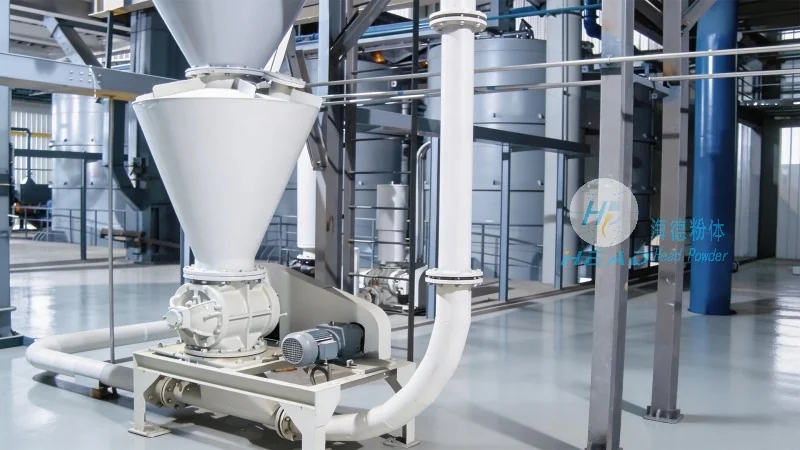
Company Profile: Shandong HeadPowder Engineering Co., Ltd.
Shandong HeadPowder Engineering Co., Ltd., commonly known as HeadPowder, is a professional engineering company specializing in the design, manufacturing, and implementation of pneumatic conveying systems. With a strong presence in Shandong, China, the company leverages extensive industry experience to deliver customized solutions for various bulk material handling needs. HeadPowder's expertise in material flow technology ensures that clients receive tailored systems that optimize performance, reduce operational costs, and enhance safety in material transport processes.
Positive Pressure Conveying for Manganese Carbonate
Positive pressure conveying, also known as pressure pneumatic conveying, operates by forcing air or a gas mixture through a sealed pipeline at a pressure higher than the ambient air pressure. This method is particularly effective for transporting manganese carbonate over longer distances and at higher material concentrations. The system typically includes a positive displacement blower or compressor, a material feeder (such as a rotary valve or screw feeder), and a series of pipeline sections connected to a receiver or separator. The high-pressure air creates a flow that propels the material through the pipeline, ensuring consistent and reliable transport. For manganese carbonate, positive pressure conveying is advantageous due to its ability to handle abrasive materials and maintain high throughput rates. However, it may require more robust equipment to withstand the higher pressures and potential wear from the material.
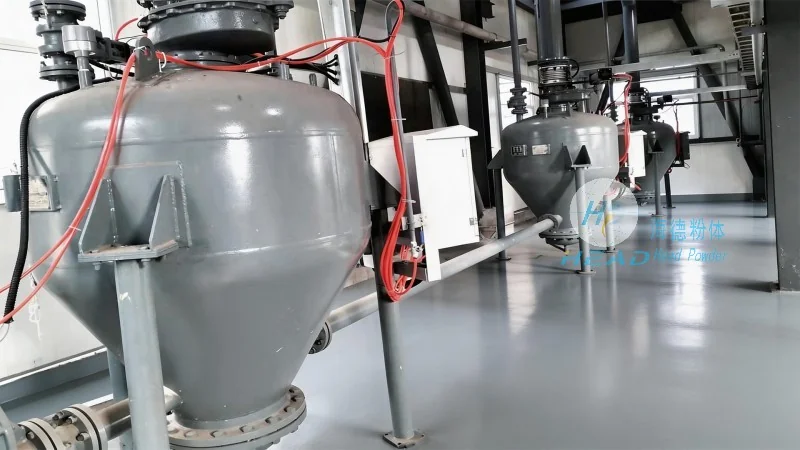
Negative Pressure Conveying for Manganese Carbonate
Negative pressure conveying, or suction pneumatic conveying, works by creating a vacuum in the pipeline, drawing material from the source into the system. This method is often used for shorter conveying distances and when the need to minimize dust emissions is a priority. The system consists of a vacuum pump, a material inlet (such as a suction nozzle or hopper), and a collection vessel. The vacuum pulls the material and air mixture through the pipeline, allowing for gentle handling of the material. Negative pressure conveying is beneficial for manganese carbonate applications where dust control is critical, such as in processing facilities near sensitive equipment or in environments with strict air quality regulations. Despite its advantages in dust management, negative pressure systems may have higher energy consumption and require more frequent maintenance of the vacuum components.
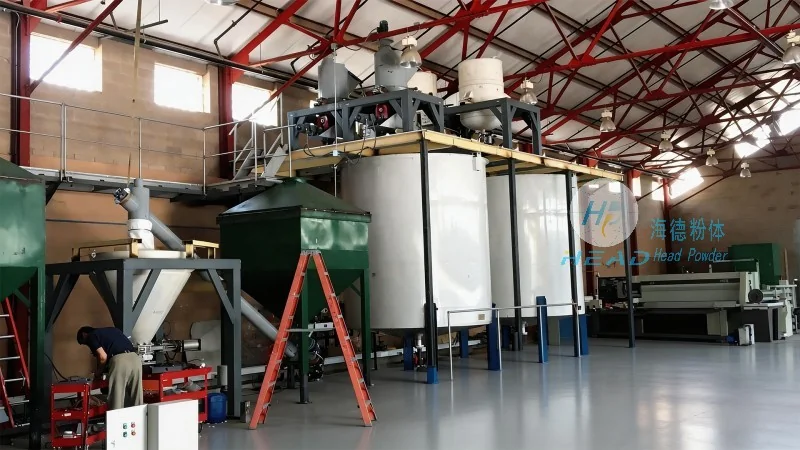
Comparative Analysis of the Two Conveying Methods
When evaluating positive and negative pressure conveying for manganese carbonate, several factors must be considered to determine the most suitable method. The primary differences lie in operational pressure, material handling capacity, energy consumption, and equipment complexity. Positive pressure systems generally offer higher material throughput and are more suitable for long-distance transport, but they may incur higher operational costs due to the need for high-pressure equipment and increased wear. Negative pressure systems, while more energy-efficient for short distances and better at controlling dust, may have lower material capacity and require more careful design to prevent blockages and ensure consistent flow. The choice between the two methods also depends on the specific characteristics of the manganese carbonate, such as particle size, moisture content, and abrasiveness. For example, if the material is highly abrasive and needs to be transported over a long distance, positive pressure conveying may be the preferred option. Conversely, if the application involves short distances and strict dust control requirements, negative pressure conveying could be more appropriate.
Conclusion and Recommendations
Both positive pressure and negative pressure conveying methods have their unique advantages and limitations when applied to manganese carbonate transport. The selection of the optimal conveying system should be based on a thorough analysis of the specific operational requirements, including conveying distance, material characteristics, production capacity, and environmental considerations. Shandong HeadPowder Engineering Co., Ltd. recommends conducting a detailed feasibility study to assess the most cost-effective and efficient solution for each individual application. By leveraging their expertise in pneumatic conveying technology, HeadPowder can provide customized solutions that balance performance, cost, and operational safety, ensuring that clients achieve optimal material handling outcomes for their manganese carbonate processing operations.




