HeadPowder, a leading engineering firm based in Shandong, China, specializes in the design and implementation of advanced material handling solutions. In the cement industry, the efficient and reliable transport of raw materials is crucial for maintaining production efficiency and quality. Two primary pneumatic conveying methods are widely used: positive pressure conveying and negative pressure conveying. This article provides a detailed comparison of these two approaches, highlighting their respective advantages, disadvantages, and optimal applications.
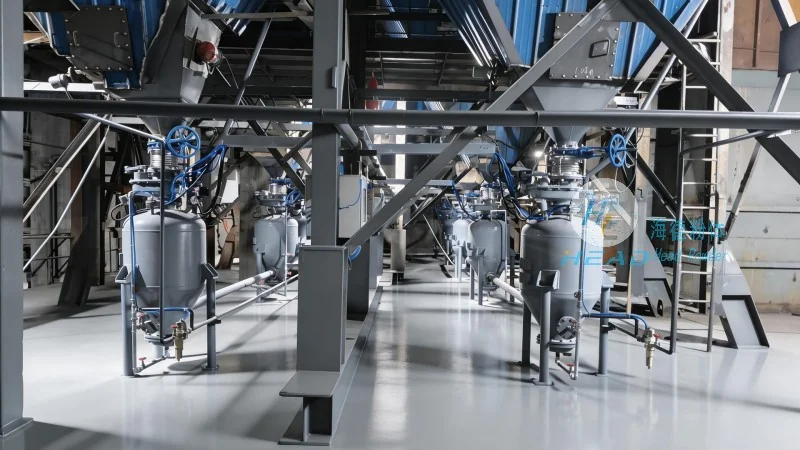
Positive Pressure Conveying: Principles and Characteristics
Positive pressure conveying, also known as pressure pneumatic conveying, operates by blowing air or a gas mixture into the conveying line under pressure. The material is carried by the high-pressure air stream, which moves the raw materials from the source to the destination. This method is often preferred for conveying materials over longer distances or through complex system layouts. The high pressure ensures that the material is consistently transported without clogging, making it suitable for abrasive or high-density raw materials like cement raw meal.
Negative Pressure Conveying: Principles and Characteristics
Negative pressure conveying, or vacuum pneumatic conveying, works by creating a vacuum in the conveying line, which draws the material into the system. The material is then carried by the air flow generated by the vacuum pump. This method is typically used for shorter distances and for materials that are less abrasive or have lower bulk density. The vacuum system is generally more energy-efficient for shorter conveying runs and is often used in applications where the material is to be collected from multiple points.
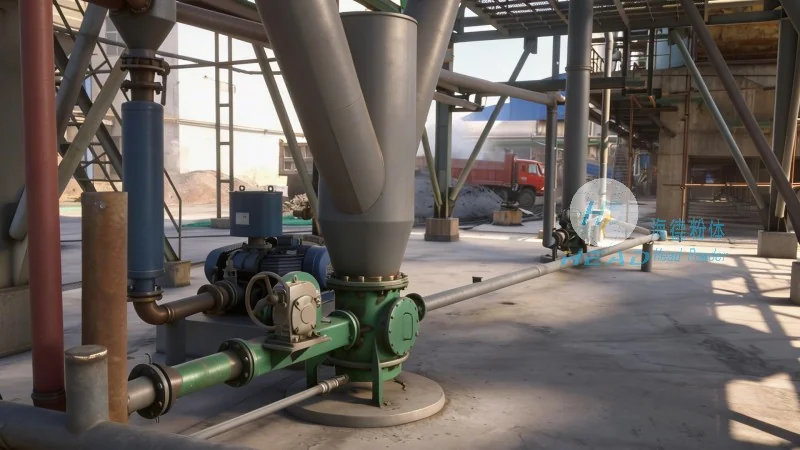
Comparison of Positive and Negative Pressure Conveying
When evaluating the two methods, several key factors must be considered, including distance, material properties, system complexity, and energy consumption. Positive pressure conveying is generally more suitable for long-distance and high-volume transport, as it can maintain consistent pressure and prevent material degradation. However, it requires more robust equipment and higher energy input due to the need for high-pressure blowers. Negative pressure conveying, on the other hand, is more energy-efficient for shorter distances and is ideal for applications where the material is to be collected from multiple sources or where the system needs to be less intrusive. It is also less likely to cause dust emissions compared to positive pressure systems, as the material is drawn into the system rather than expelled.
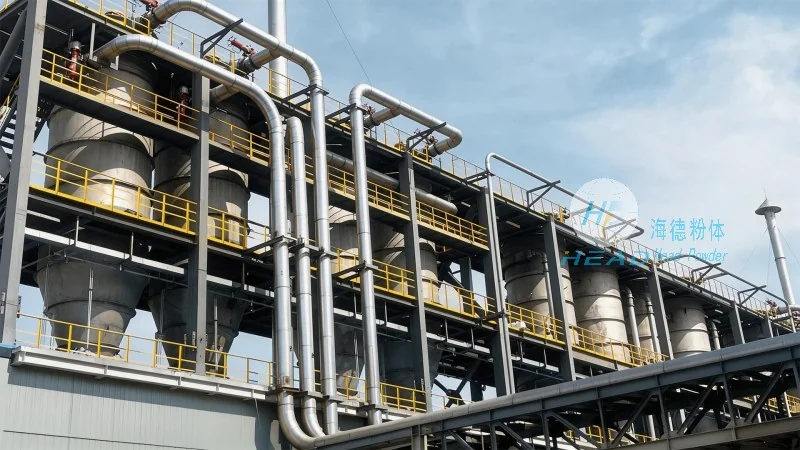
Optimal Applications for Each Conveying Method
Positive pressure conveying is commonly used in large-scale cement plants for transporting raw materials from storage silos to the kiln or for long-distance transport between different plant sections. It is particularly effective for handling high-density materials that are prone to clogging in low-pressure systems. Negative pressure conveying is often employed in smaller plants or for short-distance transport, such as moving raw materials from a grinding mill to a storage bin. It is also suitable for applications where the material is to be collected from multiple points, such as in a raw material blending system.
HeadPowder: Expertise in Cement Material Handling Solutions
Shandong HeadPowder Engineering Co., Ltd., based in Shandong, China, has extensive experience in designing and implementing both positive and negative pressure conveying systems for the cement industry. The company’s engineers leverage advanced technology and industry best practices to ensure that each system is tailored to the specific needs of the client. Whether a client requires a long-distance positive pressure system or a short-distance negative pressure system, HeadPowder provides comprehensive solutions that enhance operational efficiency, reduce maintenance costs, and improve overall production quality. The company’s commitment to innovation and customer satisfaction has made it a trusted partner for cement manufacturers worldwide.




