When it comes to transporting silica powder, selecting the right pneumatic conveying method is crucial for efficiency, cost-effectiveness, and operational safety. Two primary approaches dominate the industry: positive pressure conveying and negative pressure conveying. This analysis delves into the differences, advantages, and practical applications of each method, providing insights for industries dealing with silica powder handling.
Understanding Pneumatic Conveying Methods
Pneumatic conveying uses air or gas to move bulk materials like silica powder through a system of pipes. The choice between positive and negative pressure systems depends on factors such as material properties, distance, and system complexity. Positive pressure systems force air and material through the pipeline under pressure, while negative pressure systems draw material into the system using suction.
Positive Pressure Conveying of Silica Powder
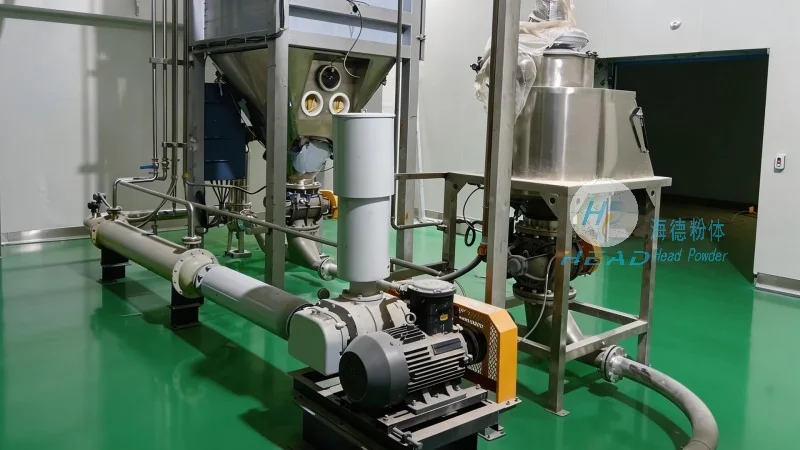
Positive pressure conveying, also known as pressure pneumatic conveying, operates by blowing air and material through the pipeline under pressure. This method is particularly effective for transporting silica powder over longer distances or through complex piping networks. The system typically includes a blower, a hopper for material storage, and a discharge point. One of the key advantages of positive pressure is its ability to handle abrasive materials like silica powder without excessive wear on equipment. Additionally, positive pressure systems can maintain consistent flow rates, ensuring reliable material transport. However, they may require more maintenance due to the higher pressure and friction within the system.
Negative Pressure Conveying of Silica Powder
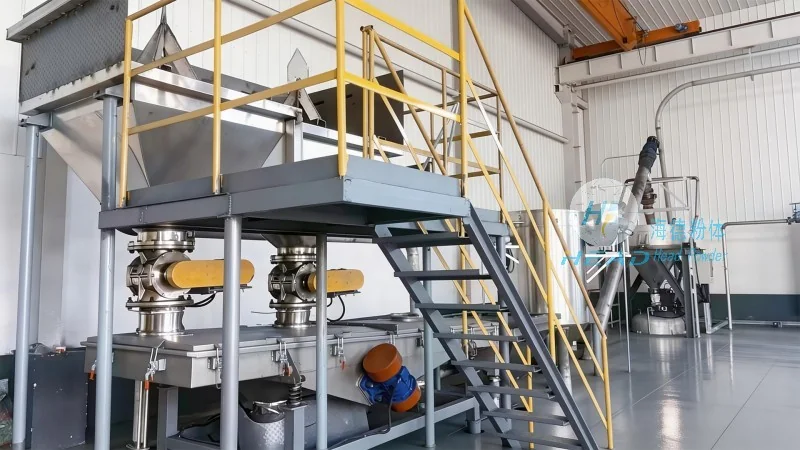
Negative pressure conveying, or vacuum pneumatic conveying, works by creating a vacuum that draws silica powder into the system. This method is often preferred for shorter distances or when the material needs to be collected from multiple points. The system consists of a vacuum pump, a collection hopper, and a discharge point. A significant benefit of negative pressure is its lower energy consumption compared to positive pressure systems, as it does not require high-pressure blowers. Moreover, negative pressure can handle materials that are sensitive to pressure changes, reducing the risk of degradation. However, it may be less suitable for long-distance transport due to the limitations of vacuum pressure and potential for material degradation if the system is not properly maintained.
Key Differences and Performance Metrics
When comparing positive and negative pressure conveying for silica powder, several factors stand out. Positive pressure systems generally offer higher conveying capacities and can handle larger particle sizes, making them ideal for bulk transport. They also provide better control over the flow rate and pressure, ensuring consistent material delivery. In contrast, negative pressure systems are more energy-efficient and gentler on the material, which is beneficial for delicate or fine powders. However, they have lower conveying capacities and are limited by the vacuum pressure, which restricts the distance and complexity of the system.
Application Scenarios and Industry Use Cases
The choice between positive and negative pressure conveying depends on the specific application. For example, in the construction industry, where large quantities of silica powder are used in concrete production, positive pressure systems are commonly employed to transport the material from storage silos to mixing plants over long distances. Conversely, in pharmaceutical or food processing applications, where the material is sensitive to contamination or degradation, negative pressure systems may be preferred to ensure a clean and gentle transport process.
Operational Considerations and Maintenance
Both positive and negative pressure conveying systems require regular maintenance to ensure optimal performance. Positive pressure systems may need more frequent checks on blower performance and pipe integrity due to the higher pressure and friction. Negative pressure systems, while less demanding in terms of pressure, still require maintenance of the vacuum pump and filtration systems to prevent dust accumulation and system blockages. Proper filtration is critical in both systems to prevent material buildup and maintain air quality. Additionally, the choice of materials for the pipeline and equipment is important, as silica powder can be abrasive and may cause wear over time.
Conclusion: Selecting the Right Conveying Method
Ultimately, the decision between positive and negative pressure conveying for silica powder depends on the specific needs of the operation. Positive pressure systems offer higher capacity and reliability for long-distance transport, while negative pressure systems provide energy efficiency and gentleness for shorter or more sensitive applications. By understanding the material properties, transport distance, and operational requirements, industries can choose the most suitable pneumatic conveying method to enhance efficiency and safety in silica powder handling.




