When it comes to transporting wet sodium nitrate, the choice of conveying system is critical. Pneumatic conveying systems have emerged as a reliable and efficient solution, offering advantages over traditional methods such as belt conveyors or bucket elevators. This article explores the types of pneumatic conveying systems suitable for wet sodium nitrate transport and their practical applications, providing insights into how these systems enhance operational efficiency and safety in industrial settings.
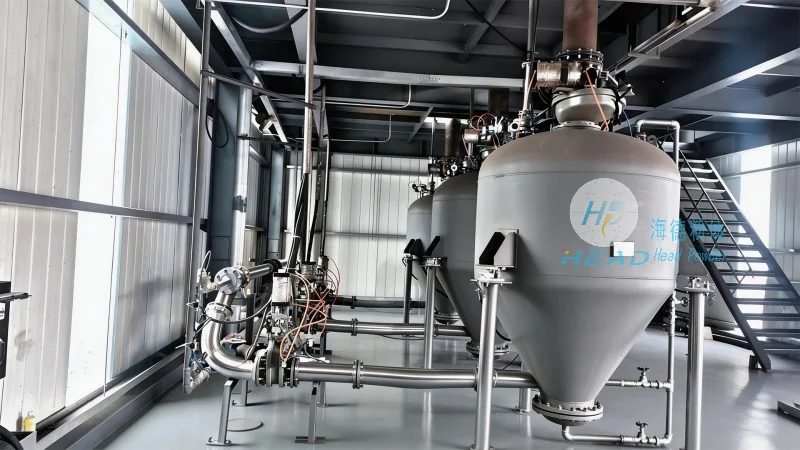
Types of Pneumatic Conveying Systems for Wet Sodium Nitrate Transport
There are primarily two types of pneumatic conveying systems used for transporting wet sodium nitrate: positive pressure systems and negative pressure (or vacuum) systems. Each type has distinct characteristics and is suited for different operational requirements.
Positive pressure systems operate by blowing air or gas into the conveying line, pushing the material forward. These systems are generally more suitable for long-distance transport and can handle abrasive or corrosive materials like wet sodium nitrate. They are often preferred when the material needs to be conveyed over significant distances or when the process requires a closed system to prevent dust emissions.
Negative pressure systems, on the other hand, use a vacuum to draw the material into the conveying line. This method is ideal for short to medium distances and is particularly effective when the material is sensitive to pressure or when the system needs to be integrated with existing dust collection equipment. For wet sodium nitrate, which can be corrosive and may generate dust, negative pressure systems can help maintain a cleaner environment while ensuring efficient transport.
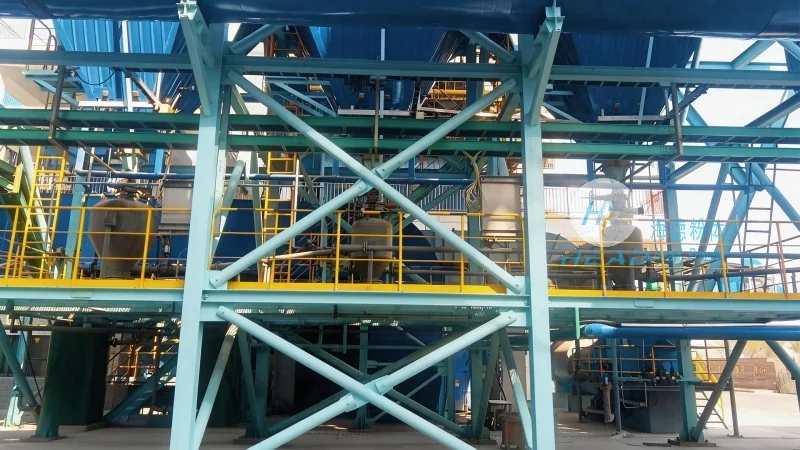
Practical Applications of Pneumatic Conveying Systems in Wet Sodium Nitrate Handling
HeadPowder, a leading provider of industrial conveying solutions, has successfully implemented pneumatic conveying systems for wet sodium nitrate in various industrial applications. One practical application is in fertilizer production facilities, where wet sodium nitrate is used as a raw material. The system efficiently transports the material from storage silos to processing units, minimizing material handling time and reducing the risk of contamination.
In mining operations, pneumatic conveying systems are used to transport wet sodium nitrate from ore processing areas to storage or packaging facilities. The systems are designed to handle the high moisture content and potential corrosive properties of the material, ensuring reliable and continuous operation. This application not only improves productivity but also enhances workplace safety by eliminating manual handling of wet materials.
Another practical use case is in chemical processing plants, where wet sodium nitrate is processed into other chemical products. The pneumatic conveying system ensures that the material is delivered to reactors or other processing equipment without any loss or degradation. The system's ability to handle the material's moisture content and corrosive nature makes it a preferred choice for such applications, contributing to higher product quality and reduced downtime.
Advantages of Pneumatic Conveying Systems for Wet Sodium Nitrate Transport
Implementing pneumatic conveying systems for wet sodium nitrate offers several advantages over traditional methods. Firstly, these systems provide a dust-free and enclosed transport process, which is crucial for handling materials that can generate hazardous dust, such as wet sodium nitrate. This reduces the risk of respiratory issues and other health hazards for workers and minimizes environmental pollution.
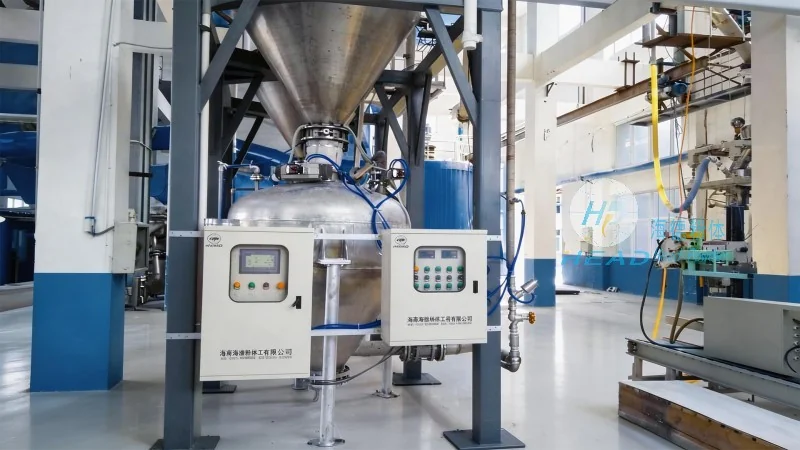
Secondly, pneumatic conveying systems are highly efficient in terms of energy consumption and operational speed. They can transport materials at high speeds, reducing the overall time required for material handling. This efficiency translates into cost savings and increased productivity in industrial operations.
Thirdly, these systems are flexible and can be easily integrated with existing industrial infrastructure. They can handle varying material flow rates and can be adjusted to accommodate changes in production schedules. This adaptability makes them suitable for dynamic industrial environments where production demands may fluctuate.
Conclusion and Company Expertise
For industries dealing with wet sodium nitrate, pneumatic conveying systems offer a robust and reliable solution for material transport. The choice between positive and negative pressure systems depends on the specific operational requirements, such as distance, material properties, and environmental considerations. HeadPowder Engineering Co., Ltd., based in Shandong, China, specializes in designing and manufacturing customized pneumatic conveying systems tailored to the unique needs of clients. With years of experience in the industry, HeadPowder provides comprehensive solutions that enhance operational efficiency, ensure safety, and improve overall productivity in wet sodium nitrate handling processes.




