Shandong HeadPowder Engineering Co., Ltd., a leading enterprise in the field of powder processing technology, specializes in the research, development, and application of advanced conveying solutions. HeadPowder, as the company's brand, focuses on providing efficient and reliable systems for handling various powders, including expanded microspheres. This article explores the types of pneumatic conveying systems used in the transportation of expanded microspheres and their practical applications, highlighting the technical advantages and operational considerations.
Introduction to Expanded Microspheres and Their Handling Requirements
Expanded microspheres, also known as lightweight aggregates, are spherical particles with a closed-cell structure, typically made from glass or other inorganic materials. These particles are widely used in construction, insulation, and other industrial applications due to their low density, thermal insulation properties, and lightweight characteristics. The successful transportation of expanded microspheres requires specialized equipment capable of handling their unique physical properties, such as low bulk density, irregular flow behavior, and potential for dust generation. Pneumatic conveying systems have emerged as a preferred method for moving these materials efficiently and safely.
Types of Pneumatic Conveying Systems for Expanded Microspheres
There are primarily two types of pneumatic conveying systems commonly used in the industry: positive pressure (or pressure) systems and negative pressure (or vacuum) systems. Each type has distinct characteristics and is suitable for different operational scenarios.
Positive Pressure Pneumatic Conveying Systems
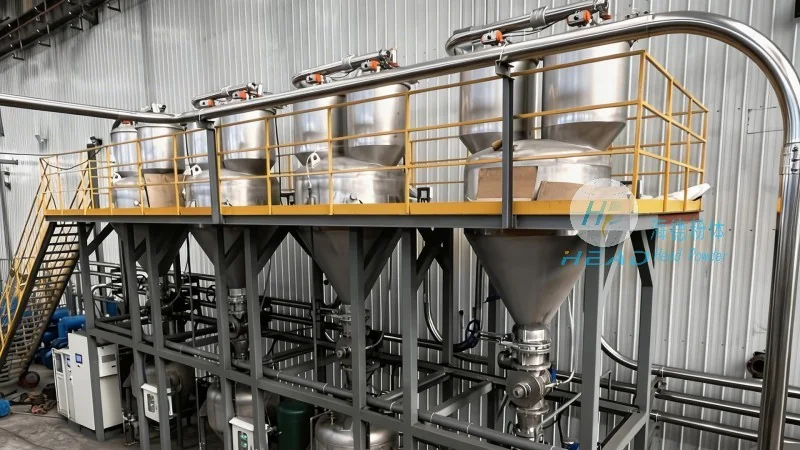
Positive pressure systems operate by blowing air or gas into the conveying line, creating a pressure higher than the ambient air pressure. This method is effective for conveying materials over short to medium distances and is particularly suitable for expanded microspheres due to its ability to handle low-density materials without excessive pressure drops. The system typically includes a blower, a hopper for material storage, a feeder, and a pipeline network. The air flow propels the microspheres through the line, ensuring consistent and reliable transport. Positive pressure systems are often preferred when the material is to be discharged into a specific location, such as a silo or a processing plant.
Negative Pressure Pneumatic Conveying Systems
Negative pressure systems, also known as vacuum systems, operate by creating a vacuum in the conveying line, drawing material from the source into the system. This approach is ideal for applications where the material needs to be collected from multiple points or transported over longer distances. The vacuum is generated by a vacuum pump, and the system includes a collection hopper, a pipeline network, and a discharge point. Negative pressure systems are particularly effective for handling fine powders and can maintain a clean environment by preventing dust from escaping the system. However, they may require more energy to maintain the vacuum and are generally less suitable for conveying high-volume materials over long distances compared to positive pressure systems.
Practical Applications of Pneumatic Conveying Systems in Expanded Microspheres Handling
The practical application of pneumatic conveying systems in expanded microspheres handling depends on various factors, including the scale of operation, the distance between the source and destination, and the specific requirements of the end-use application. HeadPowder has extensive experience in implementing these systems for clients across different industries.
Construction and Insulation Industry Applications
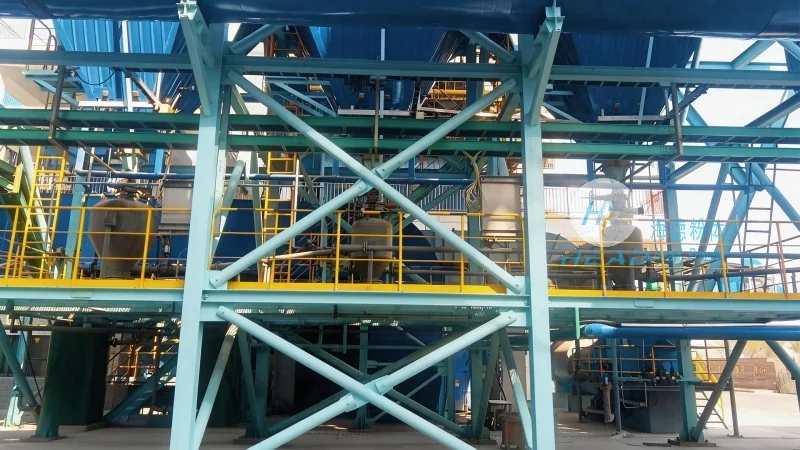
In the construction sector, expanded microspheres are used as lightweight aggregates in concrete, plaster, and insulation materials. Pneumatic conveying systems enable the efficient transport of these materials from storage silos to mixing plants or production lines. For example, a client in the building materials industry required a system to convey expanded microspheres from a storage silo to a batching plant over a distance of 100 meters. HeadPowder designed a positive pressure system with a high-efficiency blower and a specialized feeder to ensure consistent flow rates and minimal material degradation. The system successfully met the client's production needs, reducing labor costs and improving operational efficiency.
Industrial Processing and Manufacturing Applications
Expanded microspheres are also utilized in various industrial processes, such as coating, compounding, and as a filler in polymer products. Pneumatic conveying systems are crucial for integrating these materials into production lines. A manufacturing company producing polymer composites needed to add expanded microspheres to its production process. HeadPowder implemented a negative pressure system to collect the microspheres from a storage area and feed them into the mixing equipment. The system was designed to handle fine particles and maintain a clean environment, preventing contamination of the final product. The implementation resulted in improved product quality and reduced downtime due to material handling issues.
Technical Advantages and Operational Considerations
Pneumatic conveying systems offer several advantages when handling expanded microspheres, including high conveying capacity, flexibility in layout, and the ability to transport materials over long distances. However, operational considerations must be carefully addressed to ensure optimal performance and longevity of the system.
Advantages of Pneumatic Conveying Systems
One of the key advantages is the ability to handle low-density materials like expanded microspheres without the need for mechanical conveyors, which may be less effective for such materials. The systems can also be designed to operate in a closed loop, minimizing dust emissions and improving workplace safety. Additionally, pneumatic conveying systems can be easily integrated with other processing equipment, such as mixers and dryers, creating a seamless production line.
Operational Considerations
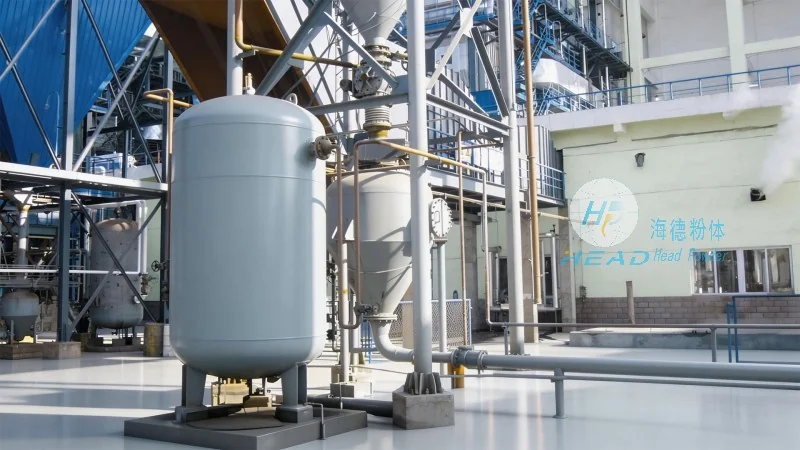
When implementing pneumatic conveying systems for expanded microspheres, several operational factors must be considered. The selection of the appropriate system type (positive or negative pressure) depends on the distance, material properties, and discharge requirements. The blower or vacuum pump must be sized correctly to maintain the required pressure or vacuum level, ensuring consistent material flow. The pipeline design, including the diameter and length, affects the pressure drop and conveying efficiency. Regular maintenance, such as cleaning the system and checking for blockages, is essential to prevent system downtime and material loss. HeadPowder provides comprehensive support, including system design, installation, and maintenance services, to ensure that clients achieve optimal performance and reliability.
Conclusion
Pneumatic conveying systems are a vital technology for the efficient and safe transportation of expanded microspheres. The choice between positive and negative pressure systems depends on the specific application requirements, with each offering unique advantages. HeadPowder, with its expertise in powder processing and conveying systems, continues to provide innovative solutions tailored to the needs of clients in various industries. By leveraging advanced technology and practical experience, HeadPowder helps clients optimize their material handling processes, enhance productivity, and ensure compliance with safety and environmental standards.




