Biomass pneumatic conveying is a critical technology in the processing and handling of biomass materials, which are widely used as renewable energy sources and raw materials for various industrial applications. The technology involves transporting solid particles through a pipeline using air or other gas as the conveying medium. Understanding the different types, key characteristics, and application ranges of biomass pneumatic conveying systems is essential for selecting the most suitable solution for specific industrial needs.
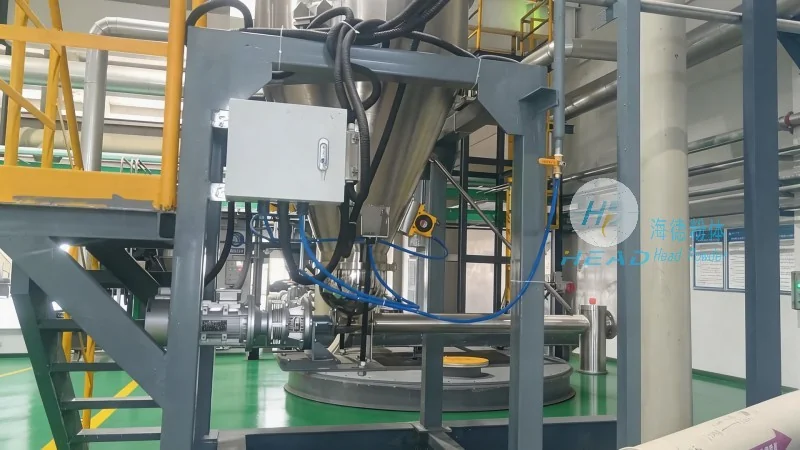
HeadPowder Engineering, a leading company in the field, specializes in the design, manufacturing, and implementation of advanced biomass pneumatic conveying systems. With a strong presence in Shandong, China, the company leverages its expertise to provide customized solutions tailored to the unique requirements of biomass processing facilities. The following sections will explore the various types of biomass pneumatic conveying, their distinctive features, and the diverse applications where these systems excel.
Types of Biomass Pneumatic Conveying Systems
There are primarily two main categories of biomass pneumatic conveying systems: suction (or vacuum) conveying and pressure (or positive) conveying. Each type has its own advantages and is suited to different operational conditions and material characteristics.
Suction conveying systems operate by creating a negative pressure in the pipeline, drawing material from the source into the conveying line. This method is particularly effective for short-distance and low-capacity applications, where the material is relatively light and free-flowing. The system typically includes a vacuum pump, a hopper for material storage, and a conveying line that connects the source to the destination. The key advantage of suction conveying is its ability to handle materials with a high moisture content or those that are prone to caking, as the low pressure reduces the risk of material degradation.
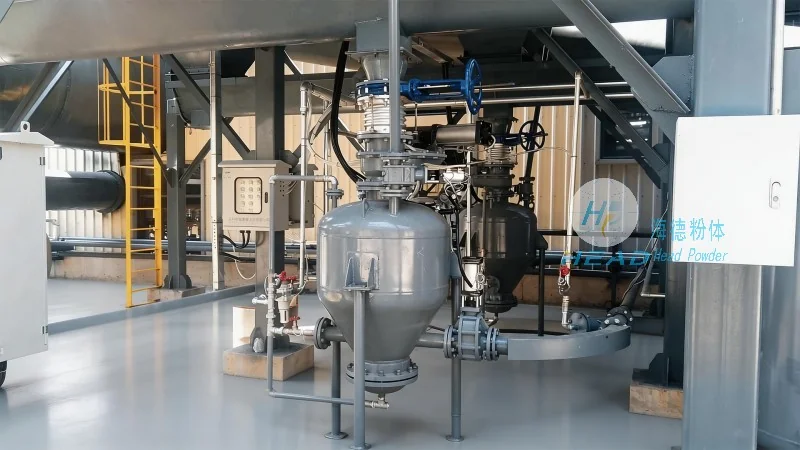
Pressure conveying systems, on the other hand, generate positive pressure by using a blower or compressor to push the material through the pipeline. This method is ideal for longer distances and higher capacities, as it can handle a wider range of material densities and flow rates. The system consists of a hopper, a pressure vessel, and a conveying line with a positive pressure maintained throughout. Pressure conveying is particularly suitable for materials that are abrasive or have a high bulk density, as the higher pressure ensures efficient and reliable transport.
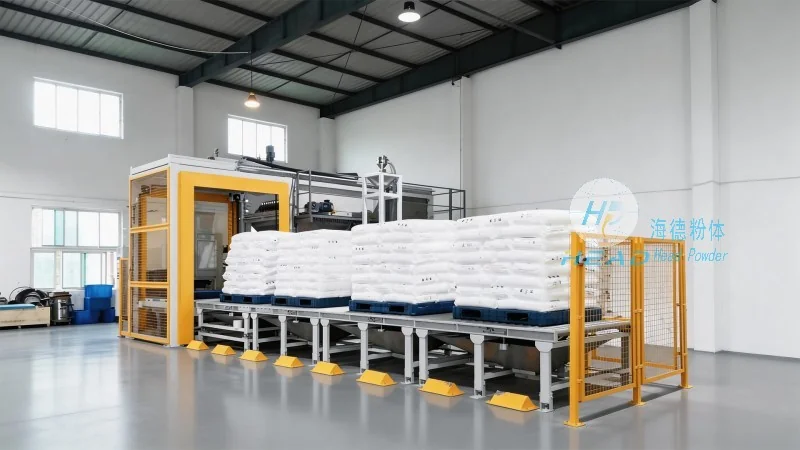
Key Characteristics of Biomass Pneumatic Conveying
Regardless of the type, biomass pneumatic conveying systems share several common characteristics that contribute to their effectiveness and efficiency. These include:
1. **Energy Efficiency**: Modern biomass pneumatic conveying systems are designed to minimize energy consumption while maximizing material throughput. Advanced blower and compressor technologies, along with optimized pipeline designs, help reduce operational costs and environmental impact.
2. **Material Handling Flexibility**: These systems can handle a wide variety of biomass materials, including wood chips, pellets, sawdust, and agricultural residues. The ability to transport different particle sizes and shapes makes them versatile for various industrial processes.
3. **Low Maintenance Requirements**: Compared to mechanical conveying systems, pneumatic conveying systems have fewer moving parts, which reduces the need for frequent maintenance and increases the overall reliability of the system.
4. **Hygienic and Clean Operation**: Pneumatic conveying systems can be designed to operate in clean and hygienic environments, making them suitable for applications where material contamination is a concern, such as in the food and pharmaceutical industries.
Application Ranges of Biomass Pneumatic Conveying
Biomass pneumatic conveying systems find extensive applications across various industries, particularly in the renewable energy sector. The following are some of the key application areas where these systems are widely used:
1. **Biomass Fuel Processing**: In biomass power plants and biofuel production facilities, pneumatic conveying is used to transport raw biomass materials from storage silos to processing units. This includes the transport of wood chips, pellets, and other biomass residues to the grinding, drying, and combustion stages.
2. **Agricultural Residue Handling**: Agricultural operations, such as farms and processing plants, use pneumatic conveying systems to handle crop residues, straw, and other agricultural byproducts. These systems efficiently transport the materials to storage or processing facilities, improving operational efficiency and reducing labor costs.
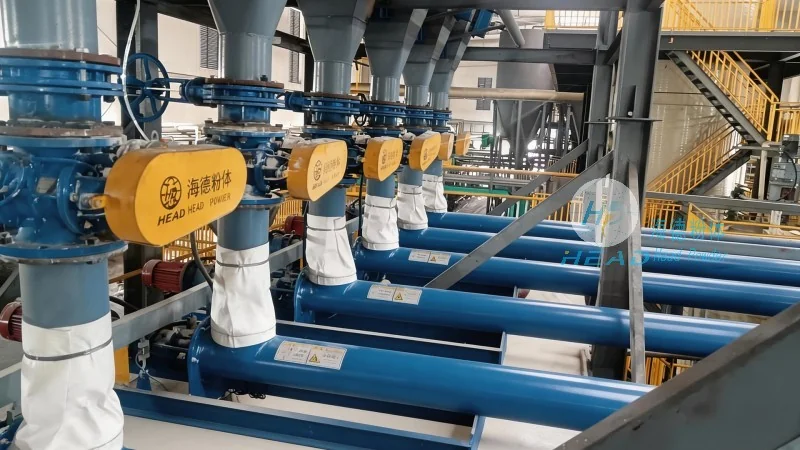
3. **Industrial Raw Material Transport**: In industries that rely on biomass as a raw material, such as paper and pulp manufacturing, pneumatic conveying is used to transport wood chips and other biomass materials from storage to the production lines. The systems ensure a consistent and reliable supply of raw materials, which is critical for maintaining production efficiency.
4. **Waste Management and Recycling**: Biomass pneumatic conveying systems are also used in waste management facilities to transport biomass waste from collection points to processing or recycling centers. This helps in the efficient recovery of biomass materials and reduces the environmental impact of waste disposal.
5. **Research and Development Facilities**: In research and development centers focused on biomass energy and processing, pneumatic conveying systems are used to transport experimental materials and samples for testing and analysis. The systems provide a controlled and precise method of material transport, which is essential for accurate research results.
Conclusion
Biomass pneumatic conveying systems are a vital technology for the efficient and sustainable handling of biomass materials. The different types of systems, each with its own unique characteristics and advantages, cater to a wide range of industrial applications. Companies like Shandong HeadPowder Engineering Co., Ltd. play a crucial role in providing advanced and customized solutions that meet the specific needs of biomass processing facilities. By understanding the types, features, and application ranges of these systems, industries can make informed decisions to enhance their operational efficiency and contribute to the growth of renewable energy sources.




