Types and Characteristics of Pneumatic Conveying Systems for Aggregate Materials and Their Applicati
Release time:2026-09-14 10:47:24
name of the company:Shandong Headpowder Engineering Co., Ltd.
telephone:156-6277-7102
contacts:Zhang manager
HeadPowder, a prominent engineering firm headquartered in Shandong, China, specializes in the development and deployment of pneumatic conveying systems designed for the efficient transport of sand, gravel, and other bulk materials. This article delves into the various types of pneumatic conveying systems, their defining characteristics, and the diverse application areas where they demonstrate superior performance.
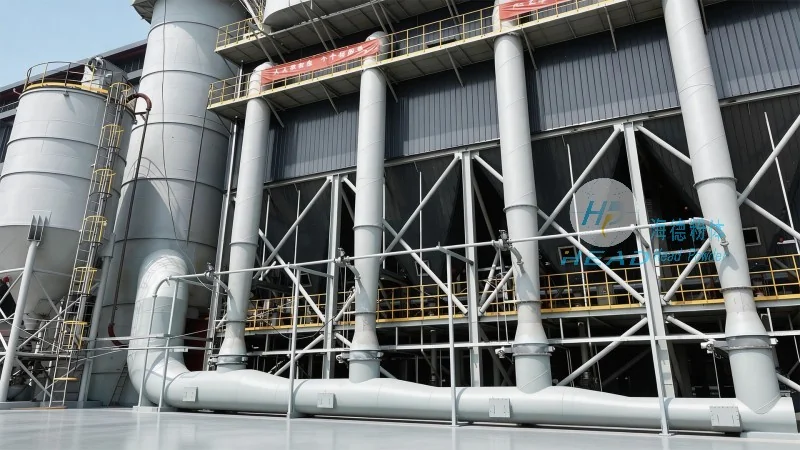
Types of Pneumatic Conveying Systems
Two primary categories of pneumatic conveying systems are commonly used for aggregate materials: dilute-phase and dense-phase systems. Dilute-phase systems operate by suspending material particles within a high-velocity air stream, enabling long-distance transport with relatively low pressure. Dense-phase systems, conversely, utilize lower air velocities and higher pressure to move material in a more compact, plug-like flow, which is particularly advantageous for sensitive or abrasive materials.
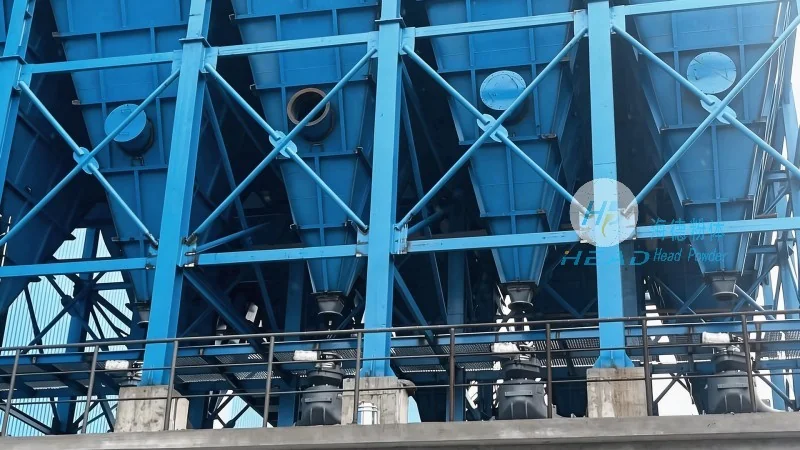
Key Features of Pneumatic Conveying for Aggregates
Efficient material handling is a central feature of pneumatic conveying systems. These systems eliminate the need for traditional conveyor belts or hoppers, thereby reducing installation costs and maintenance requirements. Additionally, they offer flexibility in layout, as they can be installed in various configurations, including vertical, horizontal, or a combination of both. Another significant advantage is the ability to transport materials in a closed system, which minimizes dust emissions and environmental impact. The systems are also capable of handling a wide range of particle sizes and densities, making them versatile for different aggregate applications.
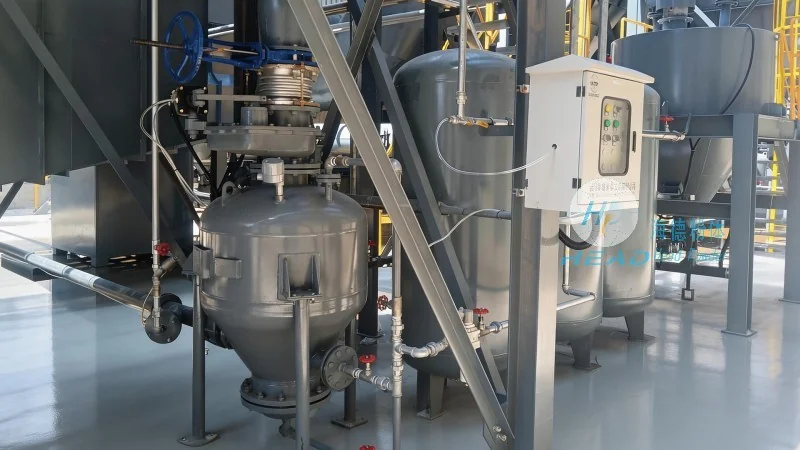
Application Ranges of Pneumatic Conveying for Aggregate Materials
Pneumatic conveying systems are extensively utilized in the construction industry for transporting sand, gravel, and other aggregates from storage silos to mixing plants or construction sites. In mining operations, they are employed to move crushed rock and ore from processing facilities to storage areas. The systems are also utilized in the manufacturing of concrete and asphalt, where precise material blending is critical. Furthermore, in the recycling industry, pneumatic conveyors assist in transporting recycled aggregates, supporting sustainable construction practices. The versatility of these systems makes them suitable for both large-scale industrial applications and smaller-scale projects, ensuring efficient material movement across various operational needs.




