What is Sodium Chlorate Pneumatic Conveying, Classification and Applications of Pneumatic Conveying
Release time:2026-09-14 10:48:28
name of the company:Shandong Headpowder Engineering Co., Ltd.
telephone:156-6277-7102
contacts:Zhang manager
HeadPowder, a leading engineering firm based in Shandong, China, specializes in advanced material handling solutions, including the pneumatic conveying of sodium chlorate. This article explores the fundamentals of sodium chlorate pneumatic conveying, outlines the key classifications of pneumatic conveying systems, and discusses practical applications in various industrial sectors.
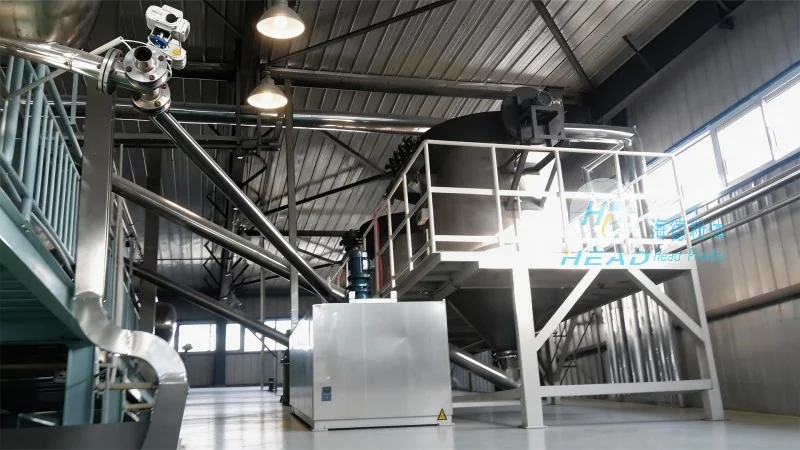
Understanding Sodium Chlorate Pneumatic Conveying
Sodium chlorate (NaClO₃) is a chemical compound widely used in industrial processes, such as pulp and paper production, textile dyeing, and water treatment. Pneumatic conveying is a method of transporting bulk materials like sodium chlorate through a pipeline using air or other gases. This technique offers several advantages over traditional mechanical conveying, including reduced equipment wear, improved safety, and enhanced process control.
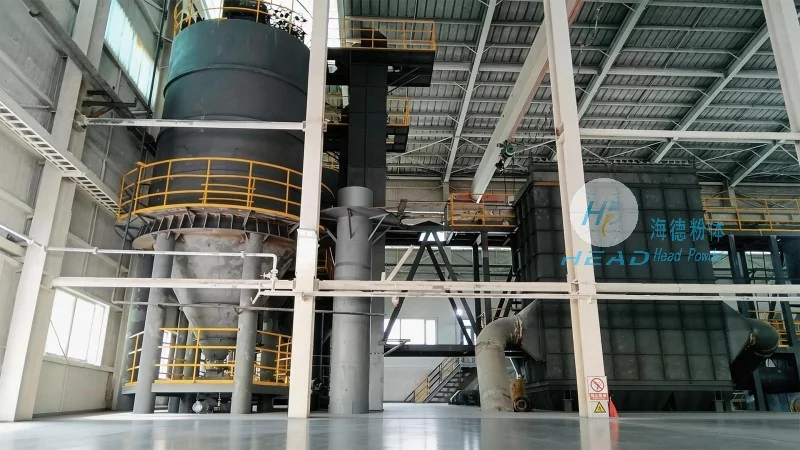
Classification of Pneumatic Conveying Systems
Pneumatic conveying systems are typically classified based on the direction of airflow and the pressure within the system. The two primary categories are:
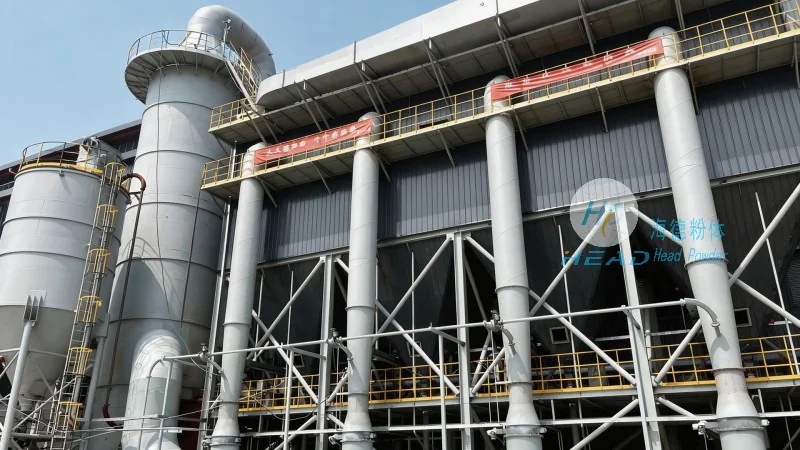
- Positive Pressure Conveying: In this system, air is forced into the conveying line under pressure, carrying the material forward. This method is suitable for long-distance and high-capacity transport, as it can handle a wide range of particle sizes and flow rates.
- Negative Pressure (Vacuum) Conveying: Here, the conveying line is maintained under a vacuum, drawing material into the system. This approach is ideal for applications requiring gentle handling of delicate materials or for conveying materials from multiple sources to a single destination.
Applications of Sodium Chlorate Pneumatic Conveying
The versatility of pneumatic conveying makes it suitable for various applications involving sodium chlorate. Some key uses include:
- Industrial Processing: In the chemical industry, sodium chlorate is often used as an oxidizing agent. Pneumatic conveying allows for efficient transport of this material from storage silos to processing reactors, ensuring consistent feed rates and minimizing material loss.
- Environmental Remediation: Sodium chlorate is employed in water treatment processes to eliminate contaminants like cyanide and phenol. Pneumatic systems facilitate the delivery of sodium chlorate to treatment facilities, enabling effective purification of water sources.
- Manufacturing and Production: In the textile and pulp industries, sodium chlorate is used in bleaching and oxidation steps. Pneumatic conveying ensures reliable and safe transport of the chemical to production lines, supporting high-quality manufacturing processes.
Benefits of Using Pneumatic Conveying for Sodium Chlorate
Implementing pneumatic conveying for sodium chlorate offers numerous benefits, including:
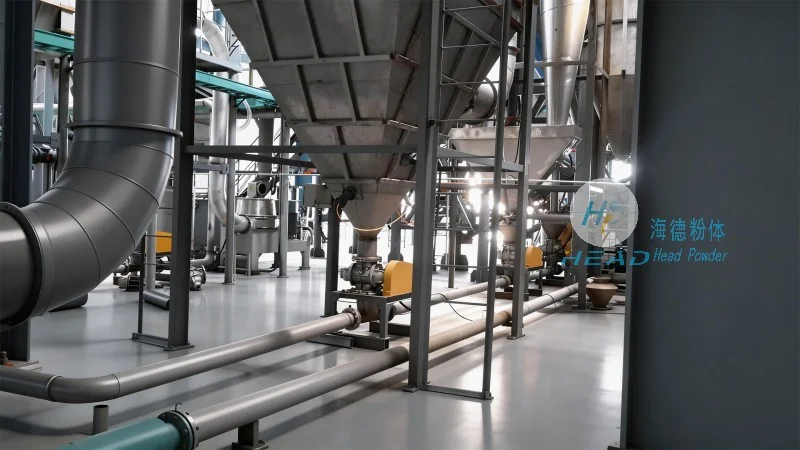
- Enhanced Safety: By eliminating the need for manual handling of bulk materials, pneumatic systems reduce the risk of accidents and exposure to hazardous chemicals.
- Improved Efficiency: Automated conveying systems can operate continuously, optimizing production throughput and reducing downtime.
- Cost-Effective: Over time, pneumatic conveying can lower operational costs by minimizing equipment maintenance and material waste.
- Flexibility: Systems can be easily adjusted to accommodate changes in material flow rates or process requirements, providing adaptability to evolving industrial needs.
Conclusion
HeadPowder Engineering Co., Ltd., based in Shandong, China, provides specialized engineering solutions for pneumatic conveying systems tailored to the needs of sodium chlorate applications. By leveraging advanced technology and industry expertise, the company ensures reliable, efficient, and safe material handling for its clients. Whether for industrial processing, environmental remediation, or manufacturing, pneumatic conveying remains a critical component in optimizing sodium chlorate operations.




