HeadPowder, a leading provider in the field of material handling and processing, specializes in advanced pneumatic conveying systems. This article explores the concept of gypsum calcium pneumatic conveying, its classification, and practical applications. By understanding these aspects, industries dealing with gypsum and calcium-based materials can optimize their material transport processes, enhancing efficiency and reducing operational costs.
Understanding Gypsum Calcium Pneumatic Conveying
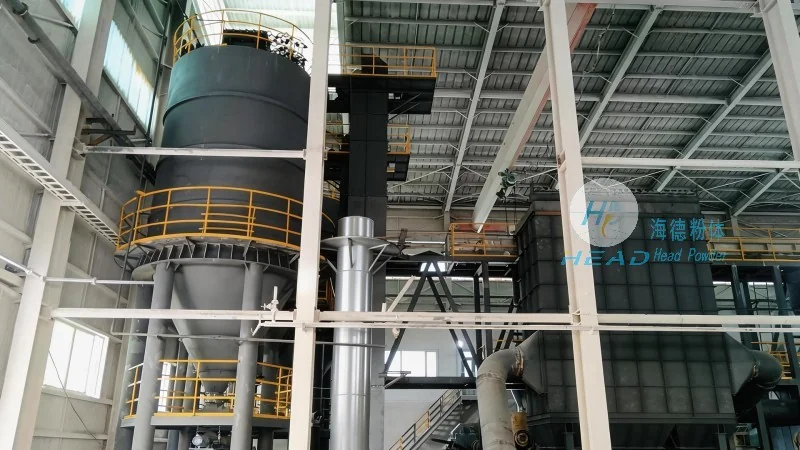
Gypsum calcium pneumatic conveying refers to the technology of transporting gypsum and calcium-based powders through a pipeline using air or gas as the conveying medium. This method is widely adopted in industries such as construction, pharmaceuticals, and food processing due to its ability to handle fine powders and minimize product contamination. The process involves creating a pressure differential between the inlet and outlet of the pipeline, which propels the material forward. Compared to traditional mechanical conveying methods, pneumatic systems offer advantages like flexibility in layout, reduced equipment wear, and the capability to handle materials with high moisture content or abrasive properties.
Classification of Pneumatic Conveying Systems
Pneumatic conveying systems are typically classified based on the pressure maintained within the system. The two primary categories are positive pressure (or pressure) systems and negative pressure (or vacuum) systems. Each type has distinct characteristics and is suitable for different operational requirements.
Positive Pressure (Pressure) Systems
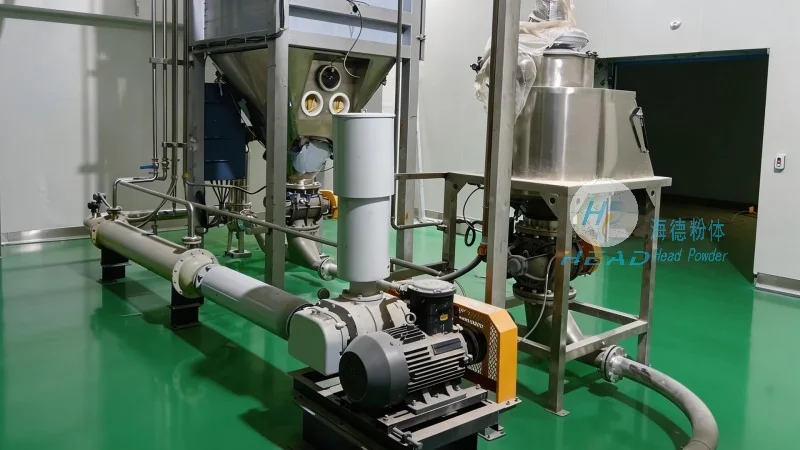
Positive pressure systems operate by forcing air or gas into the conveying line at a pressure higher than the ambient air pressure. The material is introduced into the system at the inlet, and the high-pressure air pushes the material through the pipeline. These systems are generally more suitable for long-distance or high-capacity transport, as they can maintain consistent flow rates over extended distances. Positive pressure systems are also preferred when the material is sensitive to moisture or when the system needs to be integrated with other processes that require a positive pressure environment.
Negative Pressure (Vacuum) Systems
Negative pressure systems, on the other hand, create a vacuum within the conveying line by extracting air from the system. The material is drawn into the pipeline due to the pressure difference between the inlet and the vacuum zone. These systems are often used for short-distance transport or when the material needs to be conveyed from multiple sources to a single collection point. Negative pressure systems are advantageous for applications where the material is prone to dust emissions or where the system must operate in a clean environment, as the vacuum helps contain particles within the pipeline.
Other Classification Criteria
Beyond pressure classification, pneumatic conveying systems can also be categorized based on the type of air flow and the material's interaction with the conveying medium. For instance, dilute phase systems use low air-to-material ratios, resulting in high material velocity and efficient transport. Dense phase systems, conversely, use higher air-to-material ratios, leading to slower material velocity and better control over the material's flow. The choice between dilute and dense phase depends on the material's characteristics, such as particle size, density, and flowability.
Applications of Gypsum Calcium Pneumatic Conveying
The application of gypsum calcium pneumatic conveying spans various industries, each benefiting from the technology's ability to handle fine powders efficiently. In the construction industry, for example, gypsum is a key component in drywall production. Pneumatic conveying systems are used to transport gypsum from storage silos to manufacturing lines, ensuring a consistent supply of raw material. This method minimizes dust generation and reduces the risk of material contamination, which is crucial for maintaining product quality.
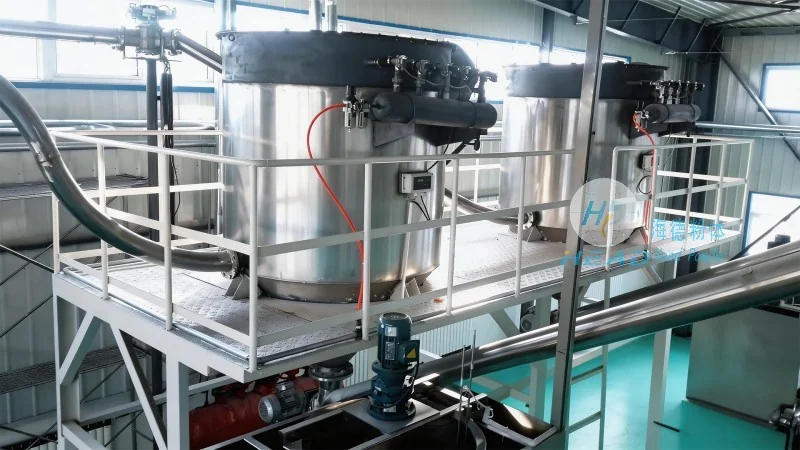
In the pharmaceutical industry, the handling of calcium-based powders requires strict adherence to hygiene and contamination control standards. Pneumatic conveying systems, particularly those operating under negative pressure, are ideal for transferring these materials. The vacuum environment helps prevent cross-contamination and ensures that the powders remain sterile, meeting regulatory requirements for pharmaceutical products.
In the food processing sector, gypsum is used as a food additive in products like cheese and baked goods. Pneumatic conveying systems are employed to transport these powders from storage to processing equipment. The systems are designed to maintain a clean and hygienic environment, with features such as stainless steel construction and easy-to-clean components, ensuring that the final products meet food safety standards.
Additionally, in the chemical industry, calcium-based powders are used in the production of various compounds. Pneumatic conveying systems help in the efficient transport of these materials from reactors to storage tanks or processing units. The technology's ability to handle abrasive and corrosive materials makes it suitable for such applications, where traditional conveying methods may not be effective.
Benefits and Considerations for Gypsum Calcium Pneumatic Conveying
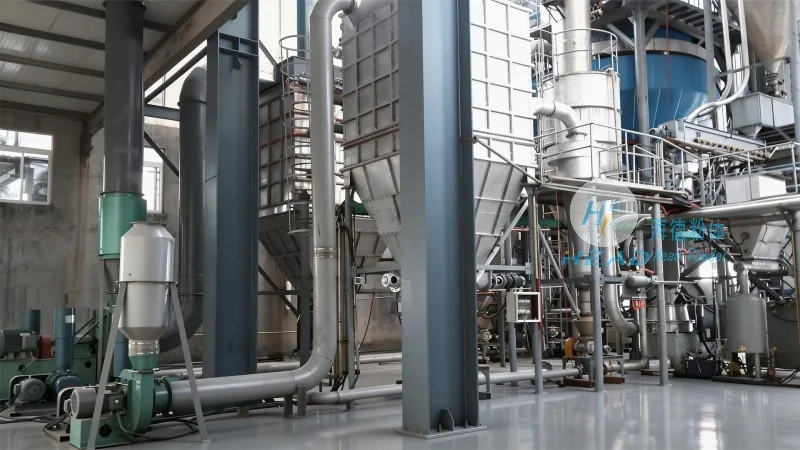
Implementing gypsum calcium pneumatic conveying offers several benefits to industries. One of the primary advantages is the reduction in labor costs, as automated systems can handle material transport without the need for manual handling. Additionally, the technology minimizes material loss and waste, as the enclosed pipeline system prevents dust and spillage. This leads to improved product quality and reduced environmental impact.
However, there are also considerations to keep in mind when adopting pneumatic conveying systems. The initial investment cost can be higher compared to traditional mechanical systems, and maintenance requirements may be more complex. The system's performance is also dependent on the material's properties, such as particle size distribution, moisture content, and flowability. Proper system design and material testing are essential to ensure optimal performance and prevent issues like blockages or excessive energy consumption.
Furthermore, the choice of system type (positive or negative pressure) and phase (dilute or dense) should be based on the specific operational needs and material characteristics. For instance, a positive pressure system may be more suitable for long-distance transport of fine gypsum powders, while a negative pressure system might be preferred for short-distance transport in a clean environment. Understanding these factors and selecting the appropriate system can significantly enhance the efficiency and reliability of the material handling process.




