

Classification and Application Analysis of Cornstarch Pneumatic Conveying Systems
For industrial operations involving cornstarch handling, efficient material transport is crucial. Pneumatic conveying systems offer a reliable solution by utilizing air to move powders like cornstarch through pipelines. This article provides an overview of the classification of cornstarch pneumatic conveying systems and their practical applications, with a focus on the expertise of Shandong HeadPowder Engineering Co., Ltd., a leading provider in the field.
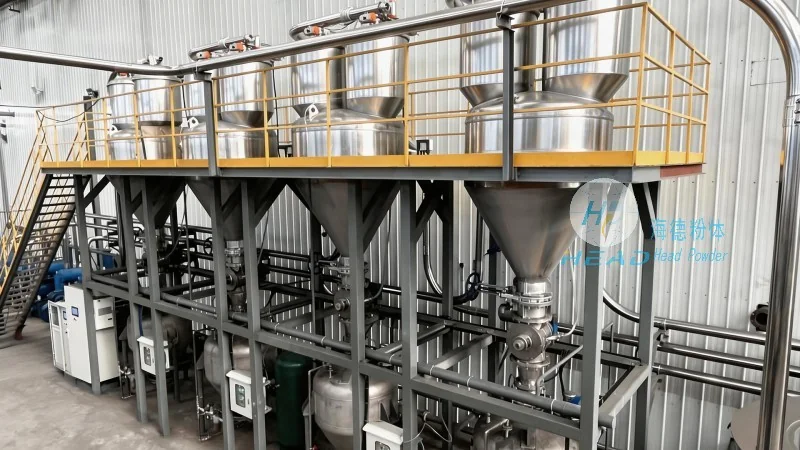
Classification of Cornstarch Pneumatic Conveying Systems
There are several key classifications of pneumatic conveying systems based on the method of air and material interaction. The primary categories include pressure, vacuum, and mixed systems. Pressure systems, such as positive displacement blowers or rotary lobe pumps, generate high air pressure to push cornstarch through the pipeline. Vacuum systems, often using venturi or suction pumps, create a negative pressure to draw cornstarch from the source. Mixed systems combine elements of both pressure and vacuum, offering flexibility for different operational needs. Each type has distinct advantages and is selected based on factors like material properties, distance, and system requirements.
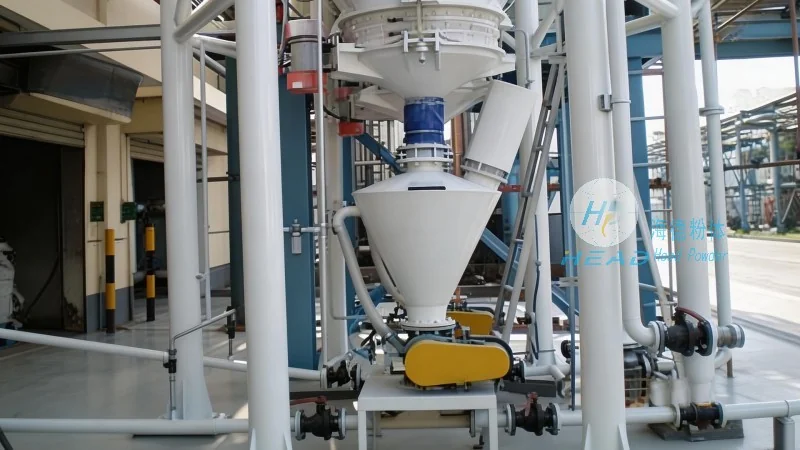
Application Analysis of Cornstarch Pneumatic Conveying Systems
The application of cornstarch pneumatic conveying systems spans various industries, including food processing, pharmaceuticals, and chemical manufacturing. In the food industry, these systems are essential for transferring cornstarch from storage to production lines without contamination or degradation. The hygienic design of the equipment ensures compliance with food safety standards. In pharmaceutical applications, the systems maintain strict cleanliness and prevent cross-contamination, which is critical for product quality and regulatory adherence. For chemical processing, the systems handle cornstarch in conjunction with other powders, enabling seamless integration into larger production workflows. The versatility of these systems allows them to adapt to diverse operational conditions, making them a preferred choice for many industries.
Technical Advantages and Considerations
When implementing cornstarch pneumatic conveying systems, several technical advantages and considerations must be evaluated. The systems offer high efficiency in material transport, reducing labor costs and improving operational speed. They also minimize product degradation by avoiding direct contact with mechanical components, which is vital for sensitive materials like cornstarch. However, challenges such as particle segregation and system maintenance need to be addressed. Proper system design, including pipeline layout and air velocity control, is essential to prevent material buildup and ensure consistent performance. Regular maintenance, including filter cleaning and component inspection, is necessary to maintain system efficiency and longevity.
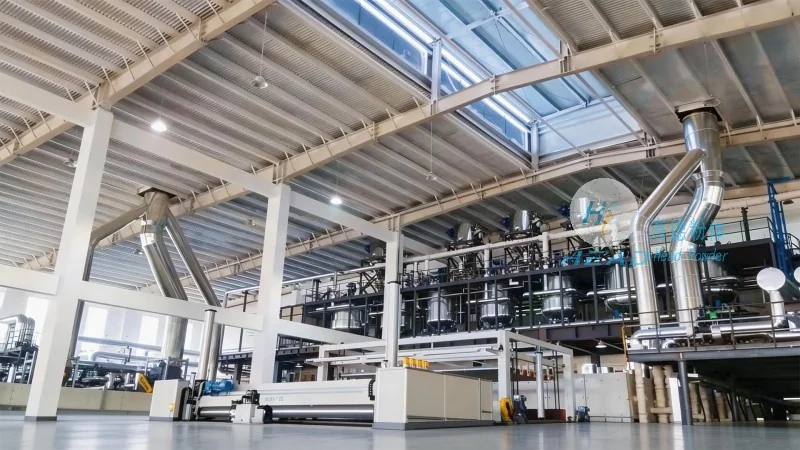
Case Studies and Real-World Implementations
Shandong HeadPowder Engineering Co., Ltd. has successfully implemented cornstarch pneumatic conveying systems in numerous projects across China. For instance, a food processing plant in Shandong province utilized a pressure system to transport cornstarch from silos to a production line, achieving a 30% reduction in handling time and improving product consistency. Another client, a pharmaceutical manufacturer, implemented a vacuum system to transfer cornstarch into packaging lines, ensuring compliance with GMP (Good Manufacturing Practice) standards. These case studies highlight the effectiveness of the systems in real-world applications and the expertise of HeadPowder in customizing solutions to meet specific client needs.