Comprehending the components of a pneumatic conveying system for fine materials is essential for optimizing material handling processes across diverse industrial sectors. The design and selection of system components directly influence operational efficiency, reliability, and overall performance. This article delves into the key elements that constitute such a system, elucidating how each part contributes to the seamless transport of fine materials.
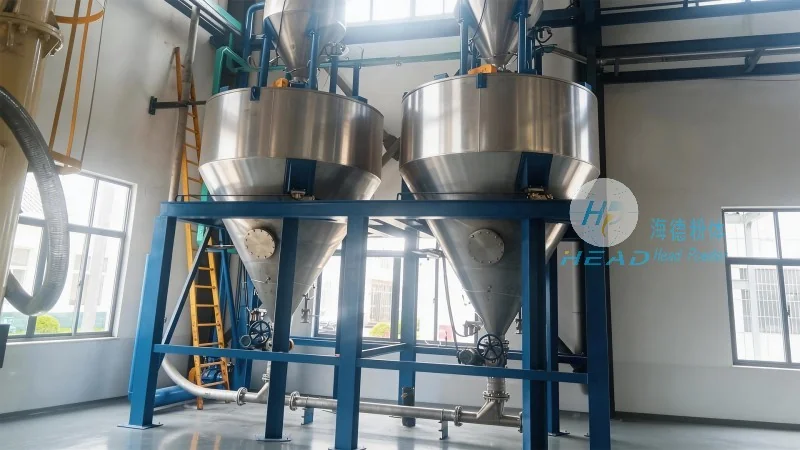
Core Components of a Pneumatic Conveying System
The pneumatic conveying system for fine materials typically comprises several interconnected components that collaborate to achieve effective material transport. These components are engineered to address the unique challenges posed by fine materials, including dust generation, particle size variations, and potential clogging. The primary components include the material feed hopper, the air supply system, the conveying line, and the discharge equipment. Each of these elements is critical in ensuring the system operates efficiently and safely.
Material Feed Hopper
The material feed hopper serves as the initial component where fine materials are stored and prepared for transport. It is designed to hold the material in a controlled manner, preventing spillage and ensuring a consistent feed rate. The hopper may incorporate features like a rotary valve or a screw feeder to regulate material flow into the conveying line. This component is foundational as it sets the stage for the entire conveying process, impacting the system's ability to handle varying material loads and maintain a steady flow.
Air Supply System
The air supply system is another vital part of the pneumatic conveying system, responsible for generating the necessary airflow to move fine materials through the conveying line. This system typically includes a blower or a compressor, which provides the pressure and volume of air required for transport. The choice of air supply equipment depends on factors such as material characteristics, conveying distance, and system pressure requirements. A well-designed air supply system ensures adequate air velocity to entrain fine particles and maintain a stable flow within the conveying line.
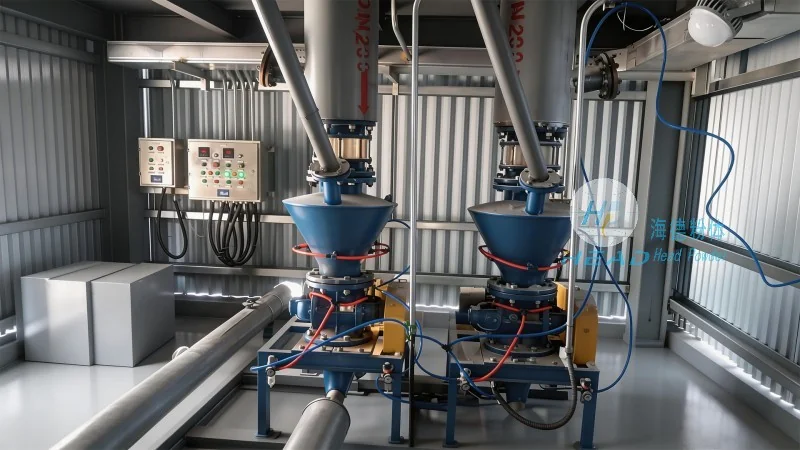
Conveying Line
The conveying line is the central pathway through which fine materials are transported. It can be constructed from various materials, including metal, plastic, or flexible tubing, based on application and material compatibility. The line is designed to withstand pressure and temperature conditions of the conveying process. Proper line sizing and material selection are crucial to prevent blockages and ensure smooth material transport. The design of the conveying line, including its diameter and length, directly affects system efficiency and the ability to handle different particle sizes.
Discharge Equipment
The discharge equipment is the final component of the pneumatic conveying system, responsible for releasing fine materials from the conveying line into the target destination. This can include a rotary valve, a bagging machine, or a storage silo, depending on the end-use application. The discharge equipment is designed to handle material without causing spillage or dust generation, ensuring a clean and efficient transfer. Proper selection and maintenance of the discharge equipment are essential to maintain system performance and prevent material loss or contamination.
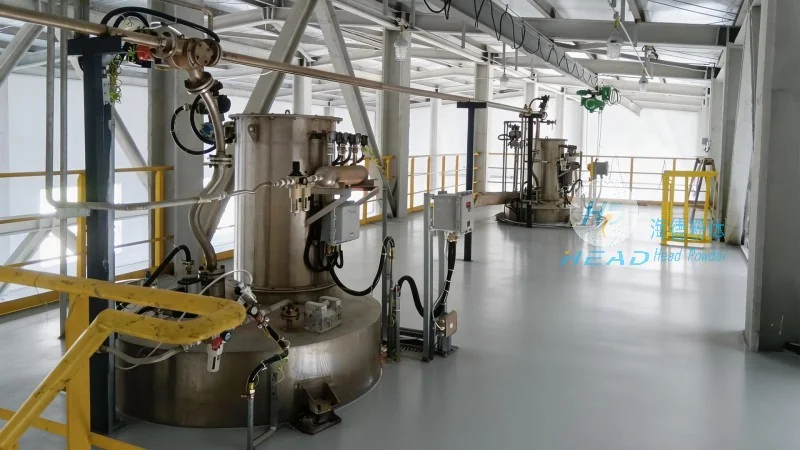
Additional Components and Considerations
Beyond core components, a pneumatic conveying system for fine materials may include supplementary elements to enhance functionality and reliability. These can include filters to remove dust from the air, pressure regulators to control system pressure, and control panels to monitor and adjust operation. Integration of these components ensures the system operates within safe and optimal parameters, reducing the risk of failures and downtime.
About Shandong HeadPowder Engineering Co., Ltd.
Shandong HeadPowder Engineering Co., Ltd., operating under the brand name headpowder, is a leading provider of pneumatic conveying solutions for fine materials. With a focus on engineering excellence and customer satisfaction, the company specializes in designing and manufacturing customized pneumatic conveying systems tailored to specific industry needs. HeadPowder's expertise in material handling technology ensures systems are efficient, reliable, and durable, meeting demands of modern industrial applications. The company's commitment to quality and innovation has established it as a trusted partner in the field of pneumatic conveying.
Location and Contact Information
HeadPowder is headquartered in Shandong, China, with a dedicated facility equipped to handle design, manufacturing, and testing of pneumatic conveying systems. The company's location in China provides access to extensive manufacturing resources and expertise, enabling delivery of high-quality products at competitive prices. While specific contact details are not provided, the company's presence in Shandong highlights strong ties to the local industrial landscape and commitment to serving regional and global markets.




