Understanding the components of a pneumatic conveying system for rice husk is crucial for optimizing material handling efficiency and ensuring reliable operation in industrial applications. This article explores the key elements that constitute such a system, providing insights into how each component contributes to the overall functionality and performance of rice husk transportation.
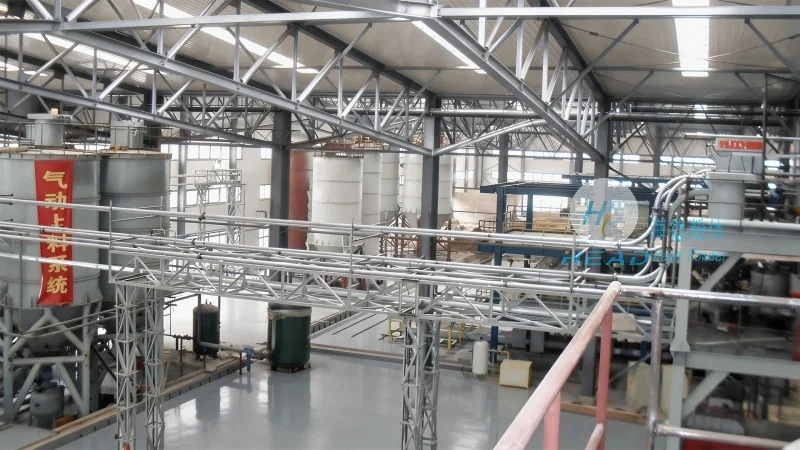
Key Components of a Pneumatic Conveying System for Rice Husk
A pneumatic conveying system for rice husk typically consists of several integrated components, each playing a vital role in the material transport process. The primary components include the material feed system, the conveying pipeline, the air supply system, the separation and filtration equipment, and the control and monitoring mechanisms. Each of these elements works in concert to ensure the efficient and safe movement of rice husk from the source to the destination.
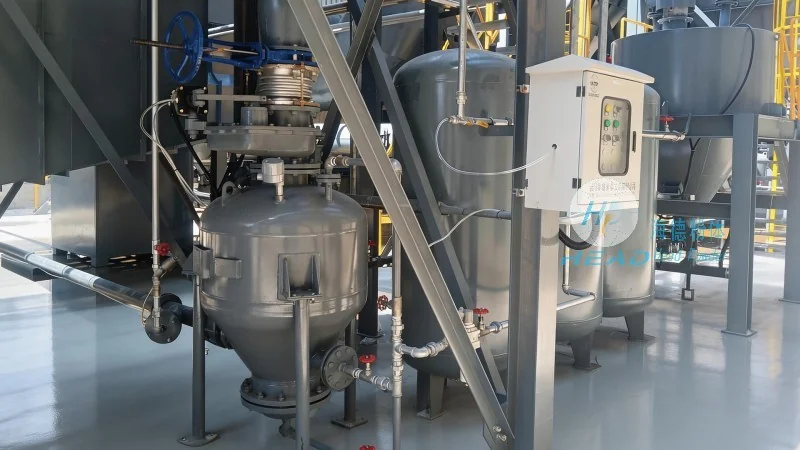
The Material Feed System
The material feed system is the initial component that introduces rice husk into the conveying process. This system is designed to handle the bulk material and feed it into the pipeline at a controlled rate. Common feed mechanisms include rotary valves, screw feeders, and vibratory feeders, which are selected based on the characteristics of the rice husk, such as its bulk density, flowability, and moisture content. The feed system ensures a consistent and uniform flow of material, preventing blockages and maintaining system stability. For instance, rotary valves are often preferred for their ability to handle a wide range of materials and provide a positive seal to prevent air leakage. Screw feeders, on the other hand, are suitable for materials with lower flowability, as they can provide a gentle and continuous feeding action. The choice of feed mechanism directly impacts the system's performance, as an improper feed rate can lead to system inefficiencies or even system failure.
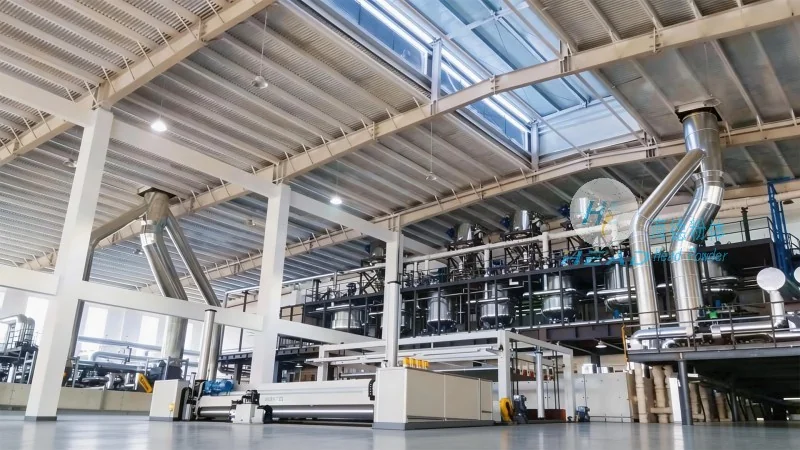
The Conveying Pipeline
The conveying pipeline is the core component of the pneumatic conveying system, responsible for transporting the rice husk through the system. The pipeline is typically made of materials such as stainless steel, carbon steel, or plastic, depending on the properties of the rice husk and the operating conditions. Stainless steel is commonly used for its corrosion resistance and durability, especially when dealing with materials that may contain moisture or acidic components. The pipeline is designed with smooth inner surfaces to minimize friction and resistance, which helps to maintain the air velocity necessary for effective conveying. The pipeline may include various sections, such as straight runs, bends, and vertical or horizontal segments, to accommodate the layout of the facility. The diameter of the pipeline is critical, as it directly affects the air velocity and the capacity of the system. A larger diameter allows for higher material flow rates but may require more air volume, while a smaller diameter reduces air consumption but limits the material throughput. Proper sizing of the pipeline is essential to achieve optimal conveying performance and energy efficiency.
The Air Supply System
The air supply system provides the necessary pressure and volume of air to move the rice husk through the pipeline. This system typically includes a blower or a fan, which generates the airflow required for conveying. The type of air mover depends on the system's requirements, such as the pressure and flow rate needed. Centrifugal blowers are commonly used for high-volume, low-pressure applications, while positive displacement blowers are suitable for high-pressure, low-volume applications. The air supply system also includes a filter to remove any contaminants from the air, such as dust or moisture, which can damage the equipment or affect the quality of the conveyed material. The filter is typically made of materials like fabric or mesh and is designed to trap particles while allowing air to pass through. Regular maintenance of the filter is essential to ensure that the air supply remains clean and efficient. The air supply system may also include a pressure regulator to control the air pressure within the system, ensuring that it remains within the optimal range for conveying. Proper operation of the air supply system is crucial for maintaining the system's performance and preventing air leaks or pressure drops that could disrupt the conveying process.
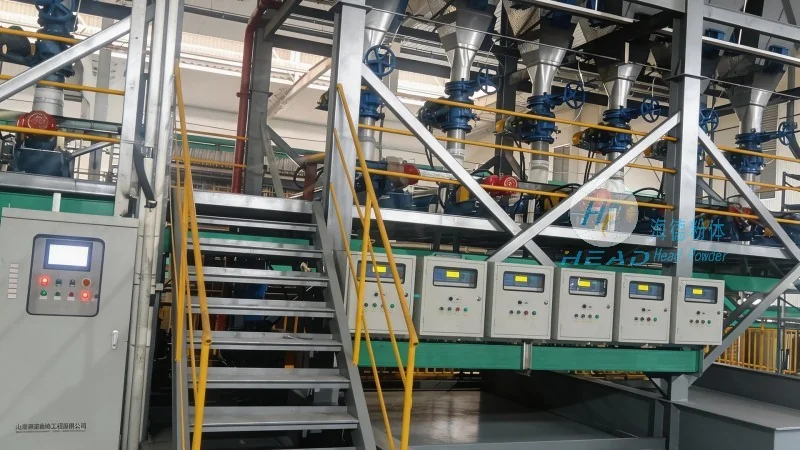
Separation and Filtration Equipment
Separation and filtration equipment are essential components of a pneumatic conveying system for rice husk, as they help to remove any separated material or air contaminants from the system. The separation process typically involves a cyclone separator or a baghouse filter, which are designed to separate the rice husk from the air stream. The cyclone separator works by using centrifugal force to separate the heavier particles from the air, while the baghouse filter uses fabric bags to trap the particles. The separated rice husk is then collected in a hopper or a container, which can be used for further processing or disposal. The air, now free of particles, is then discharged back into the system or released to the atmosphere, depending on the system's design and local regulations. The separation equipment is critical for maintaining the system's efficiency and preventing material buildup in the pipeline or equipment. Regular cleaning and maintenance of the separation equipment are necessary to ensure that it operates effectively and does not become clogged or damaged. The choice of separation equipment depends on the characteristics of the rice husk, such as its particle size and moisture content, as well as the system's capacity and operating conditions.




