Understanding the fundamental principles of mineral particle pneumatic conveying is crucial for industries that rely on efficient powder handling. This article provides a comprehensive overview of the technology, its working mechanisms, and the key components that make up a pneumatic conveying system. The information is presented by Shandong HeadPowder Engineering Co., Ltd., a leading provider in the field, with their headquarters located in Shandong, China.
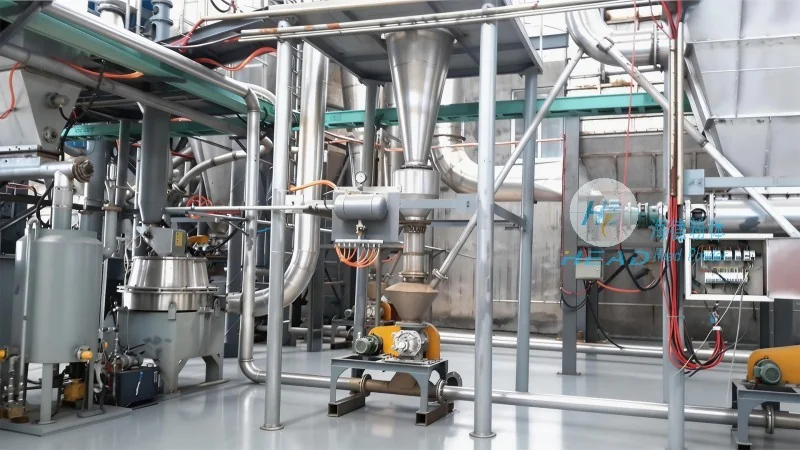
What is Mineral Particle Pneumatic Conveying?
Pneumatic conveying, also known as pneumatic transport, is a method used to transport solid particles through a pipeline using a gas, typically air or a compressed gas. In the context of mineral processing, this technology is specifically designed to handle various types of mineral powders and granules, such as coal, cement, limestone, and other bulk materials. The process involves creating a flow of gas that moves the particles from a source to a destination, often over considerable distances without the need for mechanical components like belts or buckets.
The Working Principles of a Pneumatic Conveying System
The core of a pneumatic conveying system lies in the interaction between the gas and the solid particles. The system operates by generating a pressure differential or a flow of air that propels the particles through the pipeline. There are two primary modes of operation: pressure and vacuum. In pressure systems, a blower or compressor supplies compressed air to push the material through the line. Vacuum systems, on the other hand, use a vacuum pump to draw the material into the pipeline from a lower pressure source.
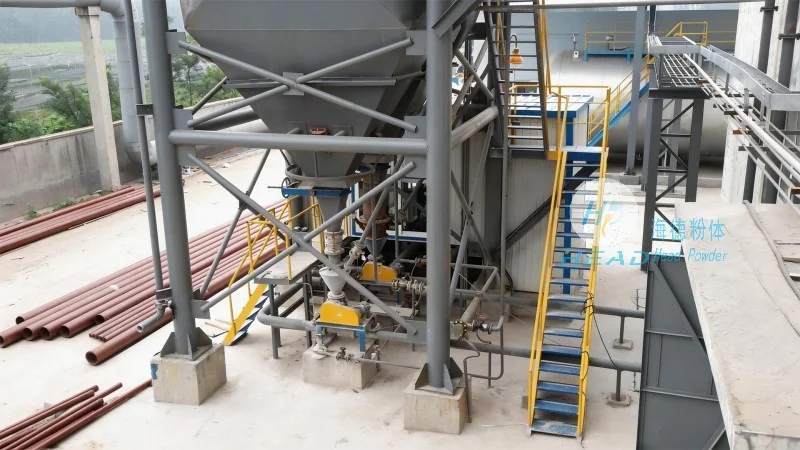
Key components of a typical pneumatic conveying system include the following:
- Gas Source: This can be a blower, compressor, or even a vacuum pump, depending on the system design. It provides the necessary air or gas to create the conveying flow.
- Feeding Device: This component introduces the mineral particles into the system, ensuring a consistent and controlled feed rate. Common feeding methods include rotary valves, star feeders, and pressure vessels.
- Conveying Pipeline: The pipeline is the main channel through which the gas and particles travel. It is usually made of materials like stainless steel, plastic, or metal, chosen based on the properties of the mineral being conveyed and the operating conditions.
- Separation and Collection: At the end of the conveying line, the system separates the gas from the solid particles. This is often achieved using cyclone separators, filters, or other dedusting equipment. The separated particles are then collected in a storage bin or silo.
- Control and Monitoring: Modern systems include control panels and sensors to monitor pressure, flow rate, and other parameters, ensuring optimal operation and preventing issues like blockages or overloading.
Applications in Mineral Processing
Pneumatic conveying is widely used in the mineral processing industry due to its ability to handle a variety of materials and its flexibility in system design. Some common applications include:
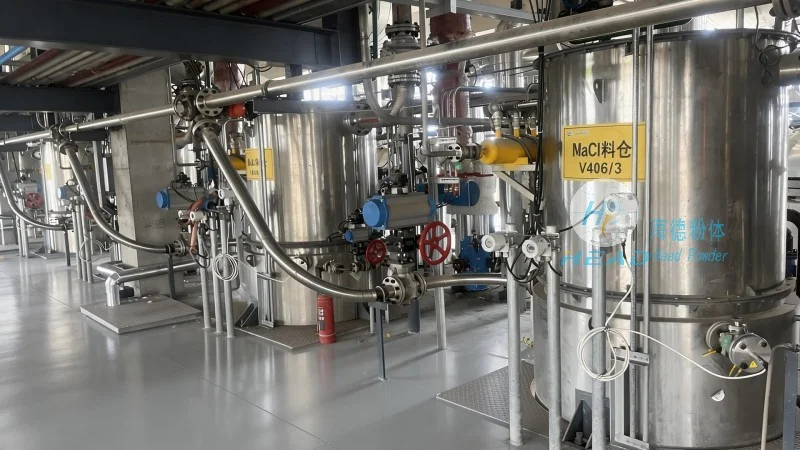
- Coal Handling: Transporting coal from mines to processing plants or power stations.
- Cement and Lime Production: Moving raw materials like limestone and clinker through the production line.
- Mineral Grinding and Classification: Conveying ground minerals between grinding mills and classifiers.
- Chemical and Pharmaceutical Processing: Handling fine powders in chemical reactions and pharmaceutical manufacturing.
Advantages of Pneumatic Conveying for Mineral Particles
Compared to traditional mechanical conveying methods, pneumatic conveying offers several advantages for mineral particle transport:
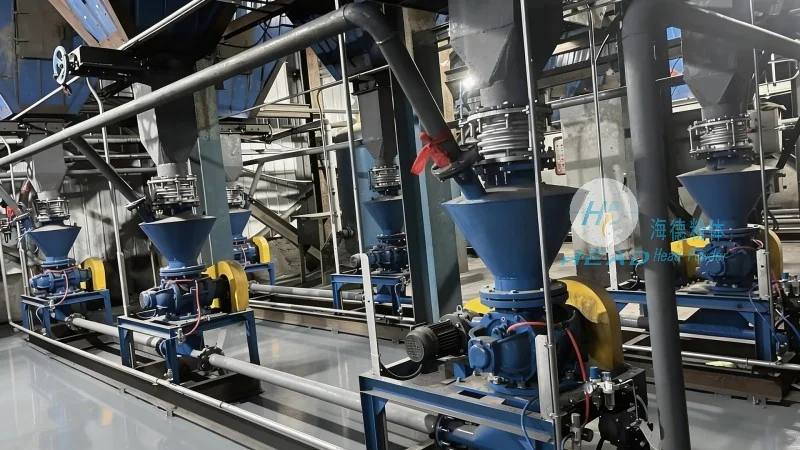
- No Mechanical Wear: Since there are no moving parts in direct contact with the particles, the system experiences minimal wear and tear, reducing maintenance costs.
- Ability to Transport Diverse Materials: Pneumatic systems can handle a wide range of particle sizes, shapes, and densities, making them suitable for various mineral types.
- Long-Distance Transport: The technology allows for the transport of materials over long distances, often exceeding hundreds of meters, without significant loss of efficiency.
- Reduced Downtime: The absence of mechanical components like belts or chains means fewer points of failure, leading to higher system reliability and less downtime.
- Hygienic and Clean Operation: In industries such as food and pharmaceuticals, pneumatic conveying can be designed to maintain a clean and dust-free environment, meeting stringent hygiene standards.
Challenges and Considerations in Pneumatic Conveying
While pneumatic conveying offers many benefits, it also presents some challenges that need to be addressed:
- Blockages and Plugging: Fine or cohesive particles can cause blockages in the pipeline, leading to system downtime. Proper system design and particle preparation are essential to mitigate this issue.
- Energy Consumption: The operation of blowers and compressors requires significant energy, which can impact the overall cost of the system. Optimizing the system design and using energy-efficient equipment can help reduce energy costs.
- Particle Degradation: High gas velocities or abrasive particles can cause wear on the pipeline and equipment, potentially degrading the mineral particles themselves. Proper material selection and maintenance are crucial.
- System Complexity: Designing and maintaining a pneumatic conveying system can be complex, requiring expertise in fluid dynamics and material handling.
Conclusion
Pneumatic conveying is a versatile and efficient method for transporting mineral particles, offering advantages in terms of reliability, flexibility, and minimal mechanical wear. By understanding the working principles and key components of such systems, industries can optimize their material handling processes and improve overall operational efficiency. Shandong HeadPowder Engineering Co., Ltd. specializes in providing tailored pneumatic conveying solutions to meet the specific needs of various mineral processing applications, with their operations based in Shandong, China.




