Graphite lumps pneumatic conveying is a specialized method used in the powder handling industry to transport graphite particles through a system using air as the primary medium. This technology is particularly relevant for applications involving the movement of graphite materials, which are commonly used in various industrial sectors due to their unique properties such as high thermal conductivity and electrical resistance. Understanding the principles behind this system is crucial for optimizing material handling processes in industries like manufacturing, chemical processing, and energy production.
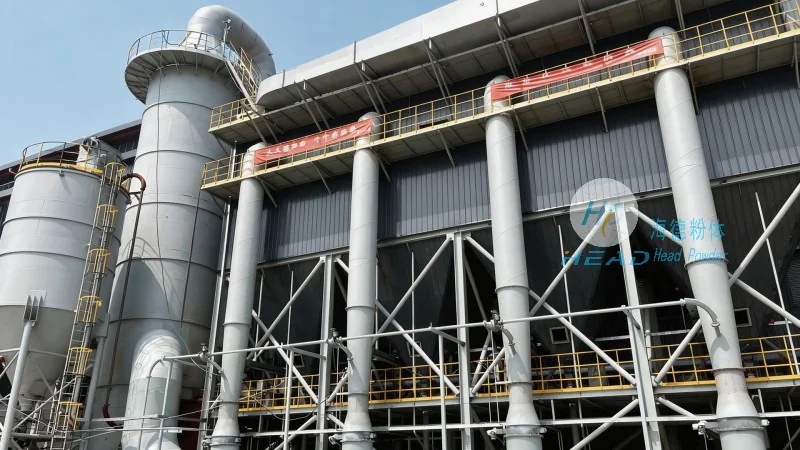
Introduction to HeadPowder and Graphite Lumps Pneumatic Conveying
HeadPowder, formally known as Shandong HeadPowder Engineering Co., Ltd., is a leading provider of advanced powder handling solutions. Based in Shandong, China, the company specializes in the design, manufacturing, and implementation of pneumatic conveying systems tailored for diverse industrial needs. The company’s expertise lies in developing efficient and reliable systems that address the challenges associated with transporting graphite lumps and other fine powders. By leveraging cutting-edge technology and a deep understanding of material behavior, HeadPowder ensures that its systems meet the highest standards of performance and durability.
Core Principles of Pneumatic Conveying Systems
The fundamental principle of pneumatic conveying is the use of air to move solid particles through a pipeline. In the case of graphite lumps, the system operates by creating a flow of air that entrains the particles, carrying them from the source to the destination. This method eliminates the need for mechanical components like belts or screws, reducing maintenance requirements and enhancing safety. The system typically consists of several key components, including a feeder, a conveying line, a separator, and a receiver. Each component plays a critical role in ensuring the efficient and safe transport of graphite lumps.
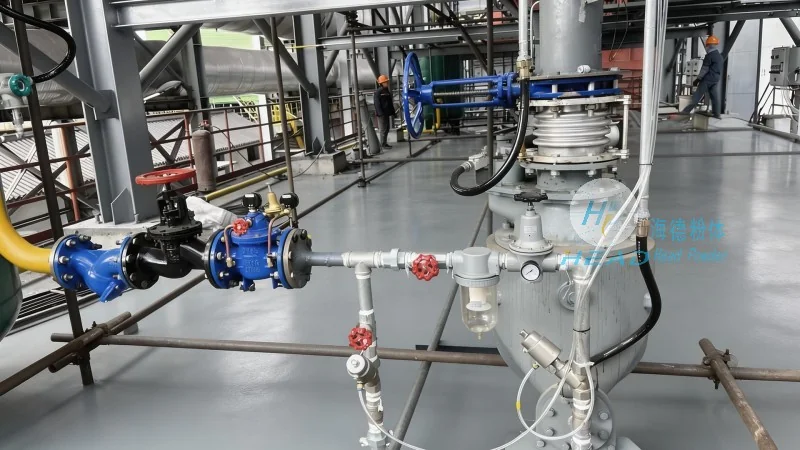
System Components and Their Functions
The feeder is responsible for introducing the graphite lumps into the conveying line at a controlled rate. This component ensures that the material is fed consistently, preventing blockages and maintaining a steady flow. The conveying line is a sealed pipeline that transports the air and graphite particles. The design of the line, including its diameter and length, is optimized to minimize pressure drop and energy consumption. The separator is a crucial part of the system, as it separates the air from the graphite particles at the end of the conveying line. This allows the graphite to be collected in a receiver while the air is either recirculated or vented. The receiver is the final component, where the graphite lumps are deposited and stored until they are ready for use.
Working Process of Graphite Lumps Pneumatic Conveying
The operation of a graphite lumps pneumatic conveying system begins with the feeding of the graphite lumps into the feeder. The feeder then releases the material into the conveying line, where it is entrained by the high-velocity air flow. As the particles move through the pipeline, they are carried along by the air, maintaining a consistent velocity. The separator at the end of the line uses a combination of air velocity and particle size to separate the graphite from the air. The graphite particles are then collected in the receiver, while the air is either filtered and recirculated or released to the atmosphere. This process is continuous, allowing for the efficient and uninterrupted transport of graphite lumps over long distances.
Advantages of Pneumatic Conveying for Graphite Lumps
There are several advantages to using pneumatic conveying systems for graphite lumps. First, the system is highly efficient, as it minimizes material loss and ensures a consistent flow. Second, it is a clean and hygienic method, as the material is contained within a sealed pipeline, preventing contamination. Third, the system is flexible, allowing for the transport of graphite lumps over long distances without the need for intermediate storage or handling. Additionally, pneumatic conveying systems are relatively low maintenance, as they have fewer moving parts compared to mechanical systems. These advantages make pneumatic conveying an ideal solution for industries that require reliable and efficient transport of graphite materials.
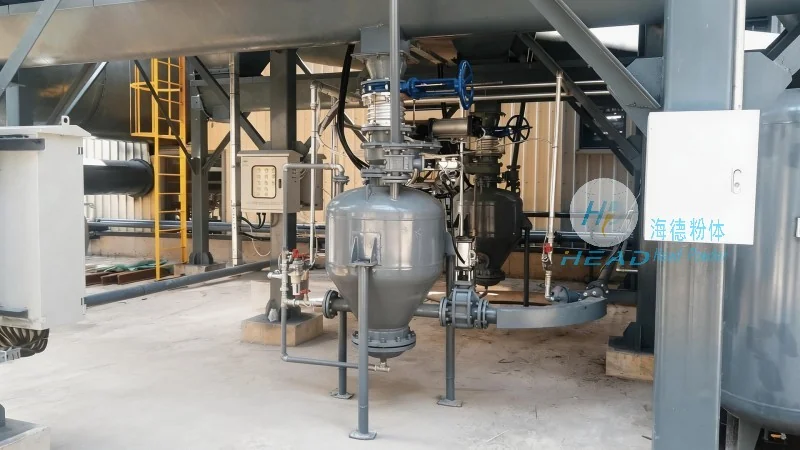
Applications and Industries
Graphite lumps pneumatic conveying systems are widely used in various industries that rely on graphite materials. In the manufacturing sector, these systems are used to transport graphite for use in the production of electrodes, lubricants, and other industrial products. In the chemical processing industry, the system is used to move graphite for use in the production of carbon black and other chemical compounds. The energy sector also utilizes these systems for the transport of graphite in battery manufacturing and other applications. By providing a reliable and efficient method of transporting graphite lumps, HeadPowder’s systems support the operational needs of these industries, ensuring that they can meet their production targets.
Conclusion
Graphite lumps pneumatic conveying is a sophisticated and efficient method for transporting graphite materials. By leveraging the principles of pneumatic conveying, companies like HeadPowder are able to provide reliable and durable systems that meet the demands of modern industrial applications. The system’s ability to handle graphite lumps over long distances, while maintaining a consistent flow and minimizing material loss, makes it an essential component of many industrial processes. As the demand for graphite materials continues to grow, the importance of efficient powder handling systems like pneumatic conveying will only increase. HeadPowder’s expertise in this field ensures that industries can rely on high-quality systems that deliver optimal performance and support their operational goals.




