Light calcium carbonate, a versatile industrial filler and pigment, is widely utilized across various sectors including paper, plastic, construction, and cosmetics. The efficient transportation of this fine powder is critical for maintaining product quality and optimizing production processes. Pneumatic conveying, a technology that utilizes air or gas to move bulk materials through a pipeline, has emerged as a preferred solution for handling light calcium carbonate due to its ability to minimize contamination, enhance safety, and provide flexible material transfer. This article delves into the fundamental principles of light calcium carbonate pneumatic conveying, explaining how such systems operate and the key components that enable reliable material transport.
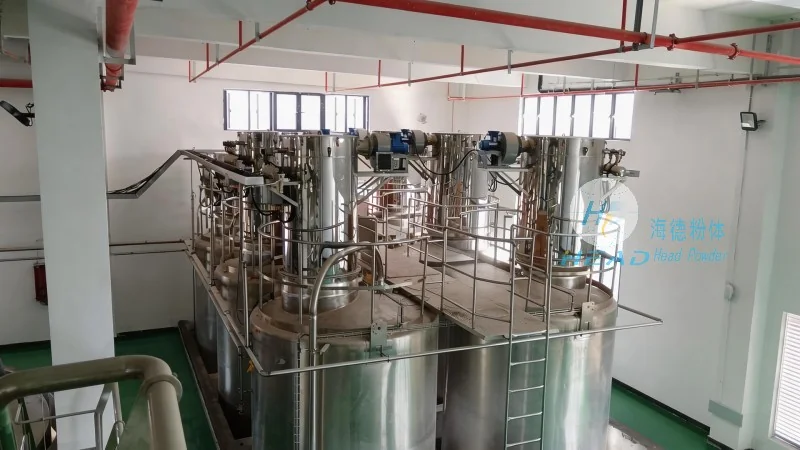
Introduction to Pneumatic Conveying Systems
Pneumatic conveying systems are engineered to transport dry bulk materials, such as powders and granules, by creating a pressure differential using air or gas. Unlike mechanical conveying methods like screw or belt conveyors, which rely on physical contact with the material, pneumatic systems eliminate the risk of contamination and material degradation. For light calcium carbonate, which is often sensitive to moisture and impurities, this feature is particularly advantageous. The technology also offers scalability, allowing systems to be customized for different production volumes and material characteristics.
Key Components of a Pneumatic Conveying System
A typical light calcium carbonate pneumatic conveying system comprises several essential components, each playing a vital role in the material transport process. The material hopper serves as the storage and feeding unit, ensuring a consistent supply of light calcium carbonate to the system. The conveyor line, a network of pipes, transports the material from the hopper to the discharge point. The air or gas source, often a blower or compressor, generates the necessary pressure to move the material through the pipeline. The control system, equipped with sensors and valves, regulates the flow and pressure of the conveying medium, preventing blockages and maintaining system efficiency. Additionally, a filter system is included to capture any fine particles that may escape the pipeline, ensuring a clean and safe operation.
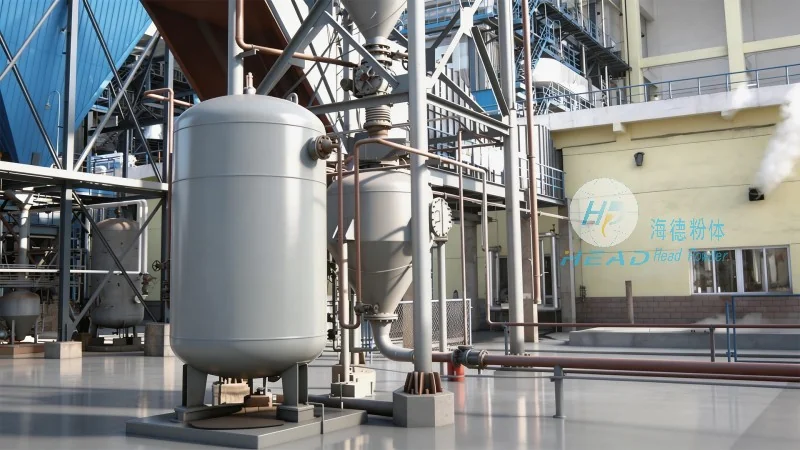
The Working Principle of Light Calcium Carbonate Pneumatic Conveying
The operation of a light calcium carbonate pneumatic conveying system involves a series of coordinated steps. Initially, the light calcium carbonate is fed from the hopper into the conveyor line. The air or gas source then creates a pressure differential, drawing the material into the pipeline. As the material is carried by the air stream, it moves through the conveyor line at a controlled speed, ensuring it reaches the discharge point without clogging or degradation. The control system continuously monitors the pressure and flow rates, adjusting the air supply as needed to maintain optimal transport conditions. This process allows for efficient and reliable movement of light calcium carbonate, even in challenging environments where other conveying methods may fail.
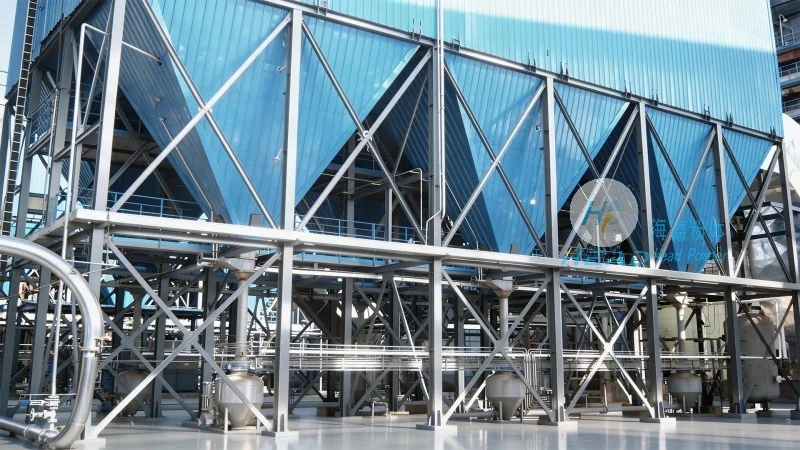
Advantages of Light Calcium Carbonate Pneumatic Conveying
Light calcium carbonate pneumatic conveying offers several key advantages over traditional mechanical conveying methods. One of the most significant benefits is the ability to handle fine powders that are prone to caking or agglomeration, which can cause blockages in mechanical systems. Pneumatic systems also provide a hygienic and clean environment, making them suitable for applications in the food, pharmaceutical, and cosmetic industries where material purity is paramount. Furthermore, these systems are flexible and can be easily integrated into existing production lines, allowing for seamless material transfer between different processing stages. The technology also reduces labor costs and operational downtime, as it eliminates the need for manual handling and maintenance associated with mechanical conveyors.
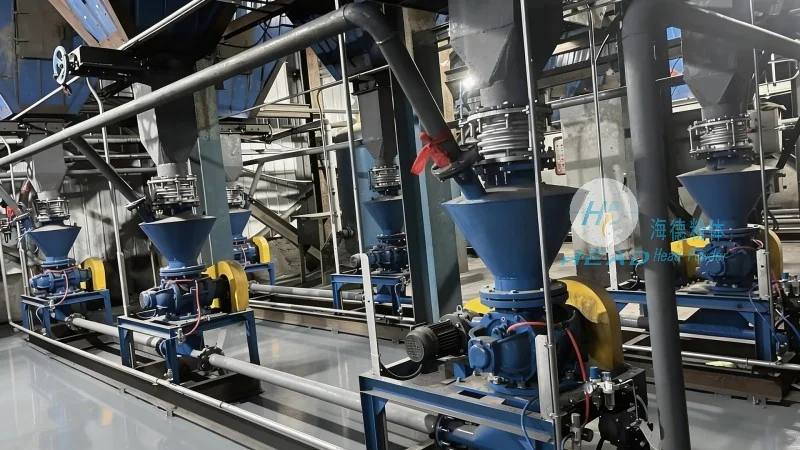
Applications of Light Calcium Carbonate Pneumatic Conveying
Light calcium carbonate pneumatic conveying is widely applied in various industries where light calcium carbonate is a critical component. In the paper industry, it is used as a filler to improve paper strength and opacity, and pneumatic systems ensure efficient transport from storage to the papermaking machines. In the plastic and rubber industry, light calcium carbonate acts as a reinforcing agent, and pneumatic conveying helps maintain the material's quality during processing, preventing contamination and ensuring consistent product properties. The construction industry also relies on this technology, as light calcium carbonate is used in cement and concrete production, where pneumatic systems provide reliable material transport to mixing plants and batching facilities. Additionally, in the cosmetics industry, light calcium carbonate is used as a filler in skincare and makeup products, and pneumatic conveying ensures that the material is handled with precision and minimal risk of contamination, meeting stringent quality standards.
Conclusion
Light calcium carbonate pneumatic conveying is a sophisticated and efficient method for transporting bulk materials, offering numerous advantages in terms of cleanliness, safety, and flexibility. By understanding the working principles and key components of such systems, industries can optimize their material handling processes and improve overall production efficiency. As a leading provider of powder handling solutions, Shandong HeadPowder Engineering Co., Ltd. specializes in designing and manufacturing pneumatic conveying systems tailored to the specific needs of light calcium carbonate applications. With a focus on reliability, performance, and customer satisfaction, HeadPowder ensures that its systems meet the highest industry standards, providing clients with a cost-effective and sustainable solution for their material transport requirements. Based in Shandong, China, HeadPowder leverages its expertise to deliver innovative and customized solutions that enhance operational efficiency and product quality for light calcium carbonate users worldwide.




