Welcome to Shandong HeadPowder Engineering Co., Ltd., a leading provider of pneumatic conveying solutions specializing in the efficient handling of wheat and other bulk materials. This article provides an overview of wheat pneumatic conveying systems, detailing their working principles and the key components that enable smooth material transport. Based in Shandong, China, our company has extensive experience in designing and manufacturing customized pneumatic conveying equipment tailored to the unique needs of the agricultural and food processing industries.
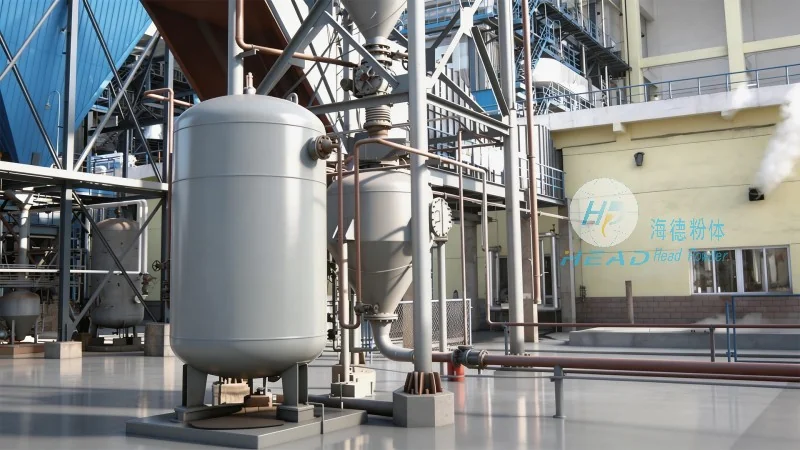
Understanding Pneumatic Conveying Systems
Pneumatic conveying systems utilize air or gas to transport bulk materials like wheat from one location to another. This method offers several advantages over traditional mechanical conveying systems, including reduced equipment wear, lower maintenance costs, and the ability to handle materials in a closed environment, minimizing dust and contamination. The core principle involves creating a pressure differential that propels the material through a pipeline using air flow. There are two main types of pneumatic conveying: pressure and vacuum systems, each with distinct applications and operational characteristics.
Key Components of a Wheat Pneumatic Conveying System
At the heart of any pneumatic conveying system are several critical components that work in tandem to ensure efficient material transport. The primary components include the material feeder, which introduces the wheat into the system; the conveying line, typically made of stainless steel or other corrosion-resistant materials to withstand the abrasive nature of wheat and prevent contamination; the air mover, which generates the necessary pressure or vacuum to move the material; and the control system, which regulates the flow of air and material to maintain optimal performance. Additionally, filters and cyclones are used to separate the air from the material at the discharge point, ensuring clean air is released and the wheat is collected in a controlled manner.
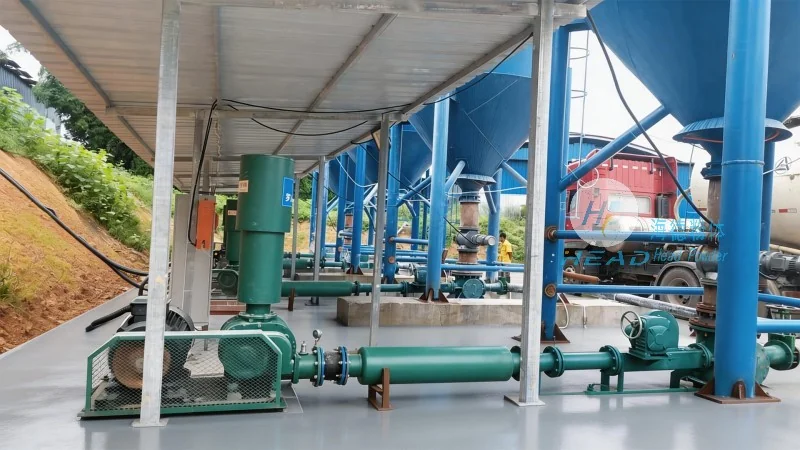
Working Principle of Wheat Pneumatic Conveying
The operation of a wheat pneumatic conveying system begins with the material feeder, which can be a hopper or a rotary valve that feeds the wheat into the conveying line at a controlled rate. The air mover, which may be a positive displacement blower or a centrifugal fan, then creates a pressure or vacuum within the system. In a pressure system, the air mover supplies compressed air to the conveying line, pushing the wheat forward. In a vacuum system, the air mover creates a low-pressure environment that draws the wheat into the line. As the wheat travels through the pipeline, it is suspended and carried by the air flow, moving to the discharge point where it is separated from the air using a cyclone or filter. This separation process allows the wheat to be collected in a storage bin or processing unit, while the clean air is returned to the system or released to the environment.
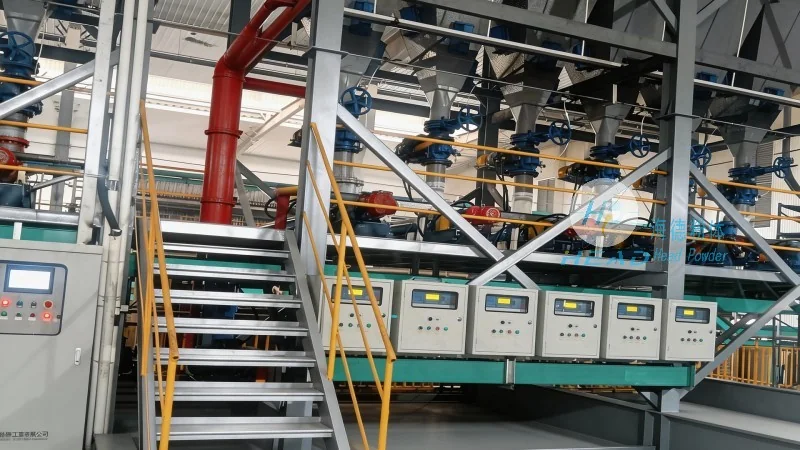
Advantages of Using Pneumatic Conveying for Wheat Handling
Implementing a pneumatic conveying system for wheat handling offers numerous benefits that enhance operational efficiency and product quality. One of the most significant advantages is the ability to handle wheat in a dust-free environment, which is crucial for maintaining the quality of the grain and preventing contamination from foreign particles. This closed system also reduces the risk of pest infestation and moisture absorption, preserving the nutritional value and shelf life of the wheat. Additionally, pneumatic conveying systems are highly flexible, allowing for changes in material flow rates and destinations without major modifications to the equipment. The compact design of these systems also saves space in processing facilities, making them ideal for both large-scale and small-scale operations. Furthermore, the reduced wear and tear on components compared to mechanical systems result in lower maintenance costs and longer equipment lifespan, contributing to overall cost savings over time.
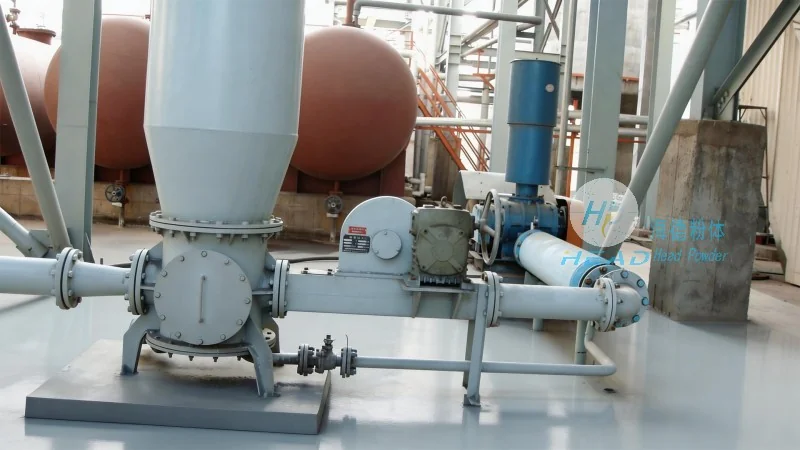
Customization and Application in the Agricultural Industry
Shandong HeadPowder Engineering Co., Ltd. specializes in designing and manufacturing customized pneumatic conveying systems that meet the specific requirements of agricultural and food processing applications. Our team of engineers works closely with clients to understand their processing needs, material characteristics, and operational constraints to develop tailored solutions. For example, in wheat handling, our systems can be configured to handle different grain types, including soft wheat, hard wheat, and durum wheat, each with varying moisture content and particle size. The conveying systems can also be integrated with other processing equipment, such as cleaning, grading, and packaging machinery, to create a seamless production line. Whether for bulk storage, transportation between processing stages, or final product packaging, our pneumatic conveying solutions ensure reliable and efficient material transport, supporting the smooth operation of agricultural facilities.
Conclusion
In conclusion, wheat pneumatic conveying systems represent a sophisticated and efficient method for handling bulk materials in the agricultural industry. By leveraging the principles of air flow and pressure differentials, these systems offer numerous advantages over traditional conveying methods, including improved product quality, reduced contamination risk, and enhanced operational flexibility. As a leading provider of pneumatic conveying solutions, Shandong HeadPowder Engineering Co., Ltd. is committed to delivering high-quality, customized equipment that meets the evolving needs of the agricultural sector. With our expertise and dedication to innovation, we continue to advance the technology of wheat handling, ensuring that our clients can achieve optimal performance and efficiency in their operations.




