Resin pneumatic conveying is a critical technology in the industrial sector, particularly for the efficient handling and transportation of resin materials. This article provides an overview of resin pneumatic conveying systems, detailing their working principles and the key components that enable their operation. The discussion will focus on the practical applications and the advantages of using such systems in industrial processes.
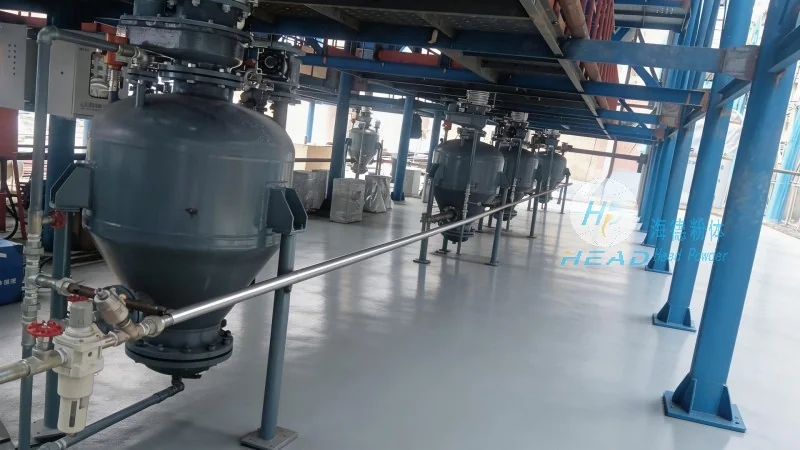
Company Profile: Shandong HeadPowder Engineering Co., Ltd.
HeadPowder, as a leading provider in the field of material handling solutions, specializes in the design, manufacturing, and installation of pneumatic conveying systems. With a strong presence in China, particularly in Shandong province, the company has built a reputation for delivering high-quality, reliable equipment tailored to the specific needs of various industries. The company's commitment to innovation and customer satisfaction has positioned it as a trusted partner for businesses seeking efficient material transport solutions.
Understanding Pneumatic Conveying Systems
Pneumatic conveying systems utilize air or other gases to transport bulk materials, such as resin powders, from one location to another. These systems are widely used in industries like plastics, chemicals, and food processing due to their ability to handle delicate materials without causing degradation or contamination. The core of a pneumatic conveying system lies in its ability to create a flow of air that can carry the material through a network of pipes, ensuring a smooth and continuous transport process.
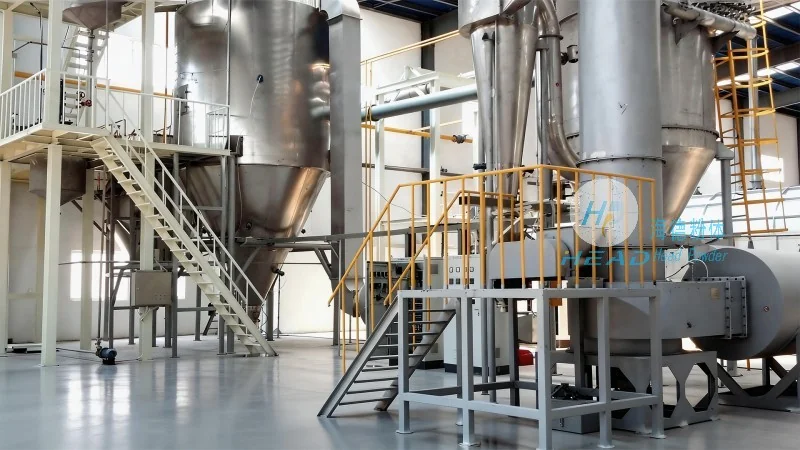
Key Components of a Resin Pneumatic Conveying System
A typical resin pneumatic conveying system consists of several essential components that work in concert to achieve efficient material transport. These components include a material feeder, which is responsible for introducing the resin into the system; a blower or air compressor, which generates the necessary air pressure to move the material; a conveying line, which is the pipeline through which the material travels; and a receiver or discharge unit, where the material is collected at the destination. Additionally, the system may include accessories like filters, cyclones, and control valves to ensure optimal performance and material handling.
The Working Principle of Resin Pneumatic Conveying
The operation of a resin pneumatic conveying system involves a series of steps that ensure the material is transported efficiently and safely. Initially, the resin is fed into the system through a hopper or feeder, which meters the material at a controlled rate. The blower then generates a high-pressure air stream, which is introduced into the conveying line. As the air flows through the line, it creates a low-pressure zone that draws the resin particles into the air stream, forming a suspension. This suspension travels through the pipeline to the receiving unit, where the air is separated from the resin, and the material is collected. The air is then filtered and recycled back into the system, completing the cycle.
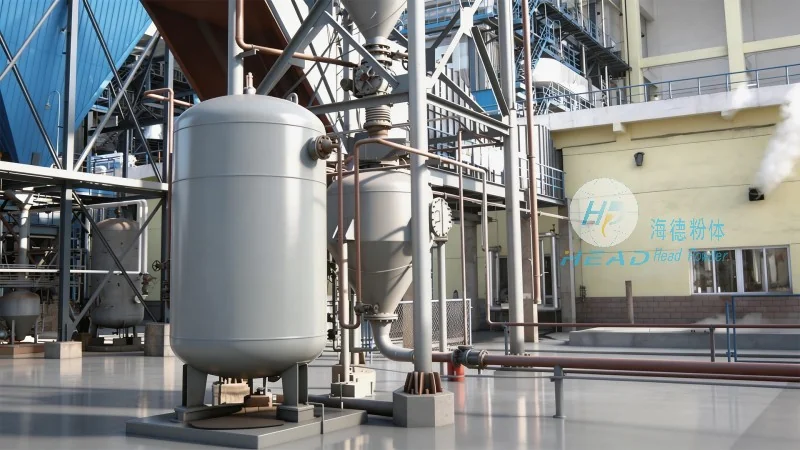
Advantages of Resin Pneumatic Conveying Systems
Resin pneumatic conveying systems offer several advantages over traditional material handling methods. One of the primary benefits is the ability to handle delicate or abrasive materials without causing wear and tear on equipment or the material itself. The enclosed system also helps in maintaining a clean and dust-free environment, which is crucial in industries where contamination is a concern. Additionally, these systems can be designed to handle long-distance transport with minimal energy consumption, making them an economical choice for many industrial applications. The flexibility of pneumatic conveying systems also allows for easy integration with existing production lines, reducing downtime and increasing overall operational efficiency.
Applications in Industrial Settings
The versatility of resin pneumatic conveying systems makes them suitable for a wide range of industrial applications. In the plastics industry, these systems are commonly used to transport resin powders from storage silos to processing machines, ensuring a continuous supply of material. In the chemical industry, they are employed to handle various powders and granules, including those that are hazardous or sensitive to moisture. The food and pharmaceutical industries also benefit from these systems, as they provide a hygienic and controlled environment for material transport, meeting stringent safety and quality standards.
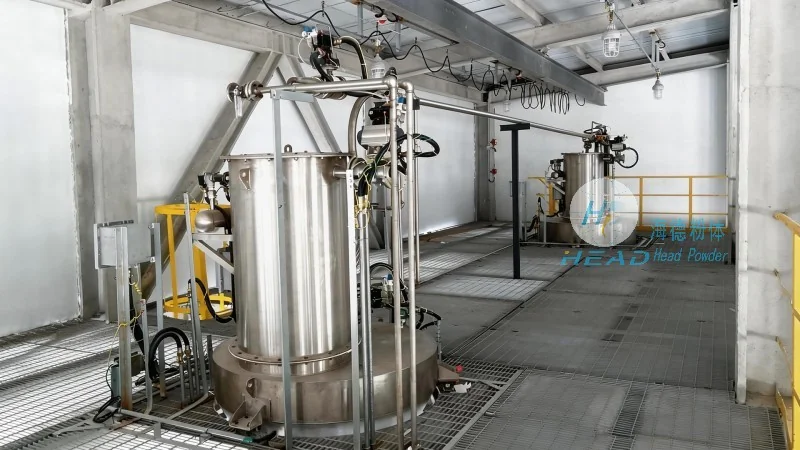
Maintenance and Operational Considerations
To ensure the longevity and optimal performance of a resin pneumatic conveying system, regular maintenance is essential. This includes cleaning the conveying lines and filters to prevent clogging, checking the blower and motor for proper operation, and inspecting the material feeder for any signs of wear. Proper operational considerations, such as maintaining the correct air pressure and flow rate, also play a crucial role in preventing system failures and ensuring consistent material transport. By adhering to these maintenance and operational guidelines, businesses can maximize the efficiency and reliability of their pneumatic conveying systems.
Conclusion
Resin pneumatic conveying systems represent a sophisticated and efficient solution for the transport of resin materials in various industrial applications. With their ability to handle delicate materials, maintain a clean environment, and offer cost-effective operation, these systems have become an indispensable part of modern industrial processes. Companies like Shandong HeadPowder Engineering Co., Ltd. continue to innovate and improve these systems, providing tailored solutions that meet the evolving needs of industries worldwide. By understanding the working principles and advantages of pneumatic conveying systems, businesses can make informed decisions about implementing such technology to enhance their operational efficiency and productivity.




