HeadPowder, a leading engineering company based in Shandong, China, specializes in the design, manufacturing, and installation of advanced pneumatic conveying systems. This article provides an overview of polypropylene pneumatic conveying, explaining the fundamental principles and operational mechanisms of such systems.
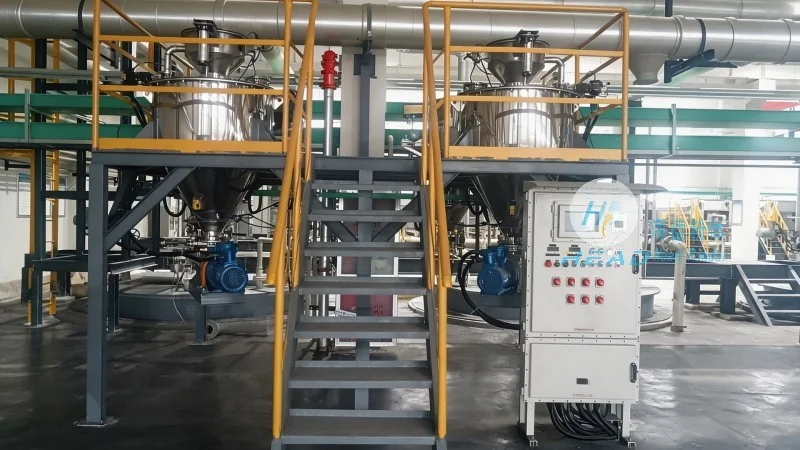
Polypropylene Pneumatic Conveying System Overview
Polypropylene (PP) is a widely used thermoplastic polymer known for its lightweight, chemical resistance, and versatility in various industrial applications. Pneumatic conveying systems are essential for transporting polypropylene powders and granules efficiently and safely from one location to another. These systems utilize air or other gases to move the material through a pipeline network, eliminating the need for mechanical components like belts or buckets.
The primary components of a polypropylene pneumatic conveying system typically include a hopper for material storage, a feeder to control the flow rate, a conveyor line (pipeline) for material transport, and a receiver or destination vessel. The system may also incorporate additional elements such as filters, cyclones, or dust collectors to ensure material cleanliness and system efficiency.
Working Principle of Pneumatic Conveying Systems
The operation of a pneumatic conveying system involves the creation of a pressure differential or a vacuum to move the polypropylene material. There are two main types of pneumatic conveying: pressure and vacuum systems. In a pressure system, compressed air is introduced into the conveyor line, pushing the material forward. In a vacuum system, a vacuum is created at the receiving end, pulling the material through the pipeline.
For polypropylene, the choice of system depends on factors such as material properties, distance to be conveyed, and required flow rate. Pressure systems are often preferred for long-distance or high-volume applications due to their ability to handle larger particles and maintain consistent flow. Vacuum systems, on the other hand, are suitable for shorter distances or when gentle handling of the material is necessary to prevent degradation or agglomeration.
The process begins with the polypropylene material being fed from the hopper into the conveyor line. The feeder regulates the flow rate to match the system's capacity, ensuring smooth and controlled transport. As the material travels through the pipeline, it is suspended by the air flow, which prevents it from settling or sticking to the pipe walls. The system may include in-line mixers or agitators to maintain material flow and prevent blockages, especially for cohesive or sticky polypropylene powders.
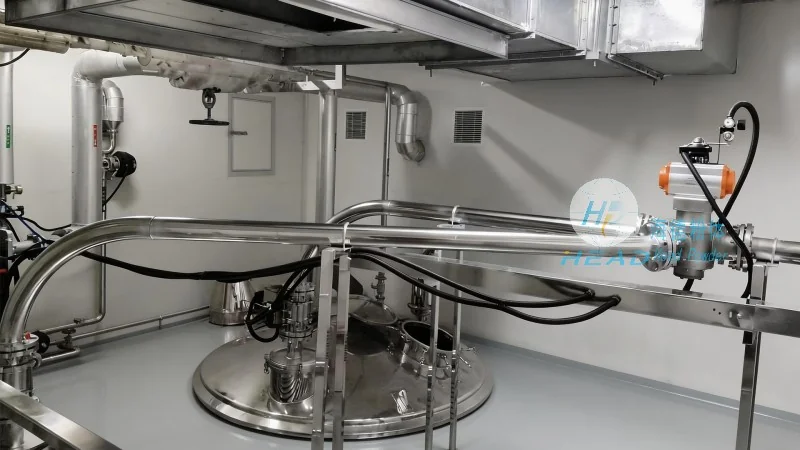
Advantages of Pneumatic Conveying for Polypropylene
Pneumatic conveying systems offer several advantages when handling polypropylene. Firstly, they provide a clean and hygienic method of material transport, as the system is enclosed and sealed, preventing contamination from external sources. This is particularly important for food-grade or pharmaceutical-grade polypropylene applications where purity is critical. Secondly, these systems are highly flexible and can be easily integrated into existing production lines or modified to accommodate changes in production volume or material types.
Another key advantage is the ability to handle polypropylene in various forms—powders, granules, or even flakes—without the need for pre-processing or additional equipment. The system's design allows for the transport of different material sizes and shapes, making it versatile for diverse industrial needs. Additionally, pneumatic conveying reduces labor costs and operational downtime compared to traditional mechanical systems, as there are fewer moving parts that require maintenance or replacement.
Applications of Polypropylene Pneumatic Conveying
Polypropylene pneumatic conveying systems are widely used in various industries, including plastics manufacturing, food processing, pharmaceuticals, and chemical processing. In the plastics industry, these systems are commonly employed to transport polypropylene resin from storage silos to extrusion or molding machines. The ability to handle large volumes of material quickly and efficiently supports high production rates and reduces bottlenecks in the manufacturing process.
In food processing, pneumatic conveying is used to transport polypropylene-based packaging materials or food additives, ensuring that the material remains free from contamination and maintains its quality. The hygienic design of the system, with smooth surfaces and easy-to-clean components, meets the stringent requirements of the food industry. Similarly, in the pharmaceutical sector, pneumatic conveying systems are utilized to transport polypropylene granules for drug packaging or manufacturing, where product purity and safety are paramount.
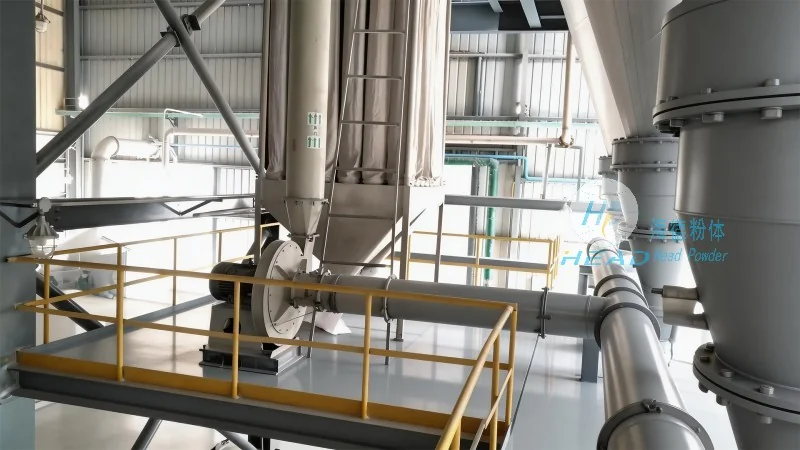
Chemical processing applications also benefit from polypropylene pneumatic conveying, as the system can handle corrosive or abrasive materials without damage to the equipment. The flexibility of the system allows for the transport of different chemical compounds, making it suitable for various chemical production processes. Overall, the adaptability and efficiency of pneumatic conveying make it a preferred choice for industries requiring reliable and consistent material handling solutions.
Technical Considerations for Polypropylene Pneumatic Conveying
When designing a polypropylene pneumatic conveying system, several technical factors must be considered to ensure optimal performance and longevity. The first consideration is the material's properties, such as its density, flowability, and cohesive tendency. Polypropylene can be prone to agglomeration, especially when exposed to moisture or high temperatures, which may affect the system's efficiency. Therefore, the system design may include features like temperature control, moisture removal, or anti-static measures to mitigate these issues.
Another critical factor is the system's pressure and flow rate requirements. The pressure differential or vacuum level must be sufficient to move the polypropylene material through the pipeline without causing excessive wear on the components or compromising material quality. The flow rate is determined by the production capacity and the distance between the source and destination, and it must be optimized to prevent blockages or excessive energy consumption.
The choice of pipeline material is also important, as it must be compatible with polypropylene and resistant to corrosion or abrasion. Common materials for the conveyor line include stainless steel, PVC, or polyethylene, depending on the application and material characteristics. Additionally, the system may incorporate features such as in-line filters or cyclones to remove dust or debris from the polypropylene material, ensuring that the material remains clean and free from contaminants.
Conclusion
Polypropylene pneumatic conveying systems are a reliable and efficient method for transporting polypropylene materials in various industrial applications. With their enclosed design, hygienic operation, and flexibility, these systems offer significant advantages over traditional mechanical conveying methods. HeadPowder, with its expertise in engineering and manufacturing, provides comprehensive solutions for polypropylene pneumatic conveying, ensuring that clients receive systems tailored to their specific needs and operational requirements. By understanding the working principles and technical considerations of such systems, industries can optimize their material handling processes and enhance overall productivity.




