For industrial applications involving the handling of gypsum, efficient material transport is crucial to ensure smooth operations and maintain product quality. Pneumatic conveying systems have emerged as a reliable solution for transporting gypsum, particularly in the form of finely ground or powdered material. This article provides an overview of gypsum pneumatic conveying, detailing the working principles of such systems and highlighting the role of specialized engineering companies like Shandong HeadPowder Engineering Co., Ltd. based in China.
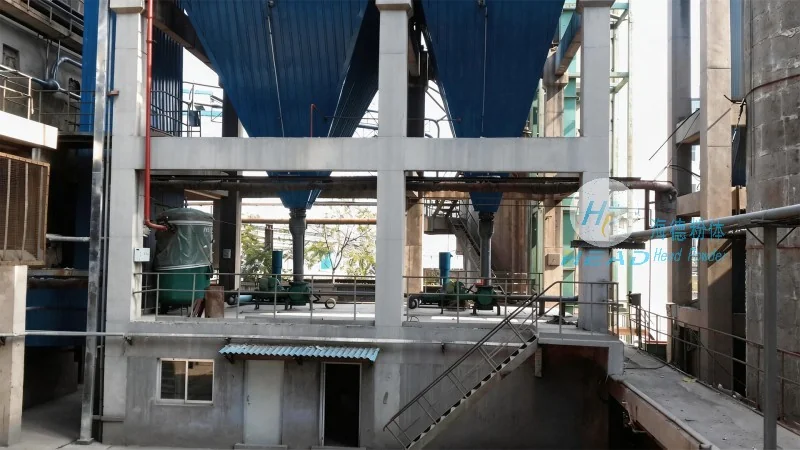
Gypsum Pulverization and Its Importance in Pneumatic Conveying
Gypsum, a calcium sulfate mineral, is commonly used in construction, agriculture, and industrial processes. To facilitate efficient pneumatic conveying, gypsum is often processed into a fine powder through pulverization. The particle size and uniformity of the gypsum powder significantly impact the performance of the conveying system. Proper pulverization ensures that the material can be effectively suspended and transported by air, reducing blockages and optimizing system efficiency. Shandong HeadPowder Engineering Co., Ltd., a leading provider of material handling solutions, specializes in the design and implementation of gypsum processing and conveying systems that meet the specific requirements of industrial clients.
Working Principles of Pneumatic Conveying Systems
Pneumatic conveying systems operate by using air or gas to transport bulk materials through a pipeline. The process typically involves several key components, including a material feed hopper, a conveying line, and a receiver or discharge point. The system can be categorized into two main types: pressure and vacuum systems. In pressure systems, air is introduced under pressure at the material feed point, pushing the material through the pipeline. Vacuum systems, on the other hand, use a vacuum to draw material from the feed point into the pipeline. For gypsum, a pressure system is often preferred due to the material's tendency to settle and the need for consistent flow rates. The conveying process begins when the gypsum powder is fed into the system, where it is mixed with air and accelerated through the pipeline. The air-gypsum mixture travels to the discharge point, where the material is separated from the air and collected. The efficiency of the system depends on factors such as air velocity, particle size, and pipeline design. Proper design ensures that the air velocity is sufficient to keep the gypsum particles suspended without causing excessive wear on the system components.
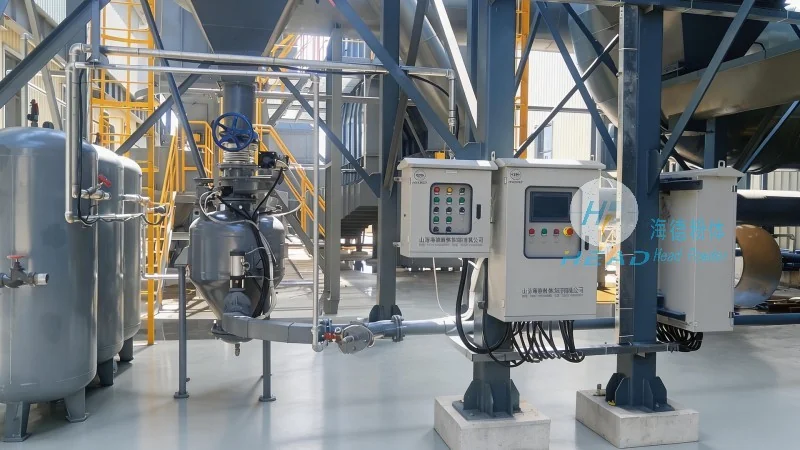
Key Components and Design Considerations for Gypsum Pneumatic Conveying
Successful implementation of a gypsum pneumatic conveying system requires careful consideration of several key components and design factors. The material feed hopper is a critical component, as it must be designed to handle the specific characteristics of gypsum powder, such as its flowability and tendency to clog. The hopper typically includes a feeding mechanism, such as a rotary valve or a screw feeder, to control the flow rate of the material into the system. The conveying line is constructed from materials that are resistant to corrosion and abrasion, as gypsum can be abrasive and may contain moisture that could lead to corrosion over time. The line diameter and length are also important factors, as they affect the air velocity and pressure required for efficient transport. The receiver or discharge point is designed to separate the gypsum from the air and collect it in a storage or processing container. This component may include a cyclone separator or a filter to ensure that the material is effectively separated and that the air is cleaned before being released. Shandong HeadPowder Engineering Co., Ltd. employs advanced engineering techniques to design and manufacture custom pneumatic conveying systems tailored to the specific needs of each client, ensuring optimal performance and longevity.
Advantages of Pneumatic Conveying for Gypsum Handling
Compared to traditional methods of material transport, such as belt conveyors or bucket elevators, pneumatic conveying offers several advantages for gypsum handling. One of the primary benefits is the ability to transport gypsum in a closed system, which helps to prevent dust emissions and maintain a clean working environment. This is particularly important in industries where dust control is a regulatory requirement. Additionally, pneumatic conveying systems can handle a wide range of particle sizes and flow rates, making them suitable for various applications, from small-scale processing to large-scale industrial operations. The system is also relatively compact, allowing for installation in confined spaces, and can be easily integrated with other processing equipment. Another advantage is the reduced risk of material contamination, as the closed system prevents exposure to external elements. Shandong HeadPowder Engineering Co., Ltd. leverages these advantages to provide clients with efficient and reliable gypsum conveying solutions that enhance operational efficiency and product quality.
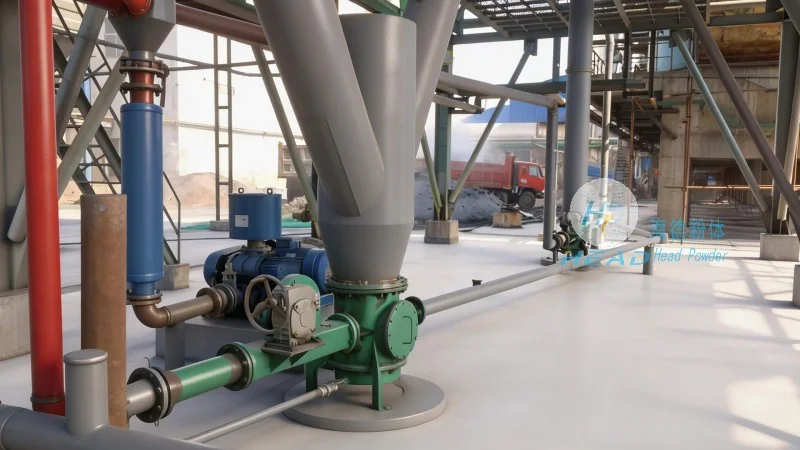
Applications of Gypsum Pneumatic Conveying Systems
Gypsum pneumatic conveying systems are widely used in various industries, including construction, agriculture, and pharmaceuticals. In the construction industry, gypsum is used to produce drywall and plaster, and pneumatic conveying is used to transport the material from storage to processing facilities. In agriculture, gypsum is used as a soil amendment to improve soil structure and nutrient availability, and the system is used to distribute the material evenly across fields. In the pharmaceutical industry, gypsum is used in the production of certain medications, and the system ensures that the material is transported in a sterile and controlled manner. The versatility of pneumatic conveying systems makes them suitable for a wide range of applications, and Shandong HeadPowder Engineering Co., Ltd. has successfully implemented systems for clients in these and other industries, demonstrating the effectiveness of their engineering solutions.
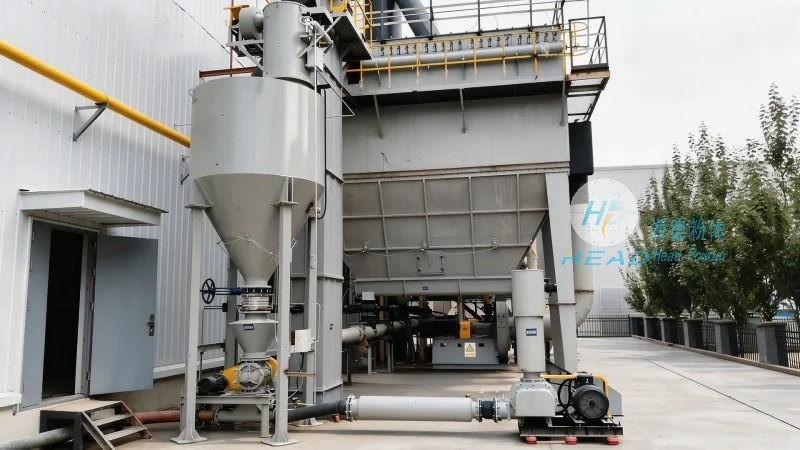
Maintenance and Operational Considerations for Gypsum Pneumatic Conveying Systems
To ensure the long-term performance and reliability of a gypsum pneumatic conveying system, regular maintenance and proper operational practices are essential. The system components, such as the hopper, conveying line, and receiver, require periodic inspection and cleaning to prevent clogging and maintain optimal performance. The air compressor and filtration system must also be maintained to ensure consistent air quality and pressure. Operational considerations include monitoring the system for signs of wear or blockages, adjusting the flow rate as needed, and performing routine checks on the material feed mechanism. Shandong HeadPowder Engineering Co., Ltd. provides comprehensive maintenance services to clients, ensuring that their systems operate at peak efficiency and minimizing downtime. By following proper maintenance procedures and operational guidelines, clients can maximize the lifespan of their pneumatic conveying systems and achieve consistent, high-quality material transport.
Conclusion
Gypsum pneumatic conveying systems offer an efficient and reliable solution for transporting finely ground gypsum in industrial applications. The working principles of these systems, combined with specialized engineering and design, enable the effective handling of gypsum while maintaining product quality and operational efficiency. Shandong HeadPowder Engineering Co., Ltd., with its headquarters in Shandong, China, is a trusted provider of gypsum processing and conveying solutions, leveraging advanced technology and expertise to meet the diverse needs of industrial clients. By understanding the key components, design considerations, and operational best practices, industries can optimize their material handling processes and achieve improved productivity and cost-effectiveness.




