White flour, a staple in the food and chemical industries, requires efficient and reliable conveying solutions to maintain smooth production processes. Pneumatic conveying equipment, specifically designed for handling such fine powders, has become a critical component in modern manufacturing. This article will delve into the structure and operational principles of white flour pneumatic conveying systems, highlighting the key components and their functions. HeadPowder, a leading manufacturer of pneumatic conveying equipment, specializes in providing customized solutions for handling fine powders like white flour. With years of experience in the industry, the company has developed advanced systems that meet the highest standards of efficiency and reliability. The company's headquarters is located in Shandong, China, where it operates a state-of-the-art manufacturing facility and research center.
Key Components of Pneumatic Conveying Systems
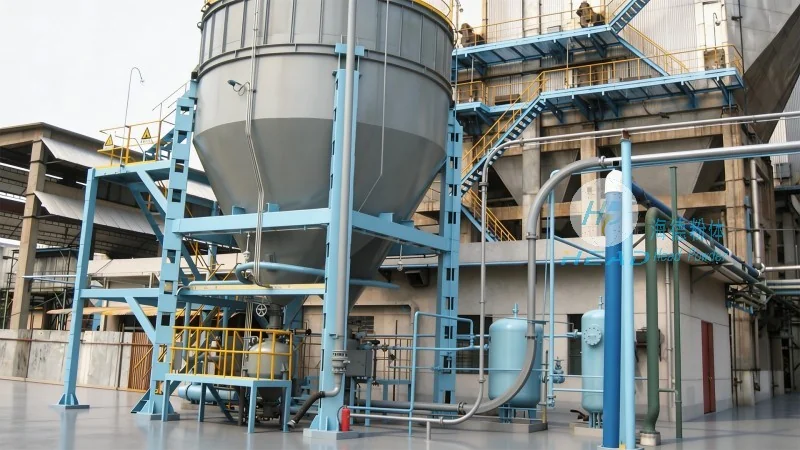
The core structure of a pneumatic conveying system for white flour typically includes several essential parts. The first is the material hopper, which stores the white flour and feeds it into the system. This hopper is usually equipped with a feeder, such as a rotary valve or a screw feeder, to control the flow rate of the powder. The feeder ensures a consistent and controlled supply of white flour to the conveying line, preventing blockages and maintaining system efficiency. The hopper is often made of stainless steel or other corrosion-resistant materials to prevent contamination and ensure durability.
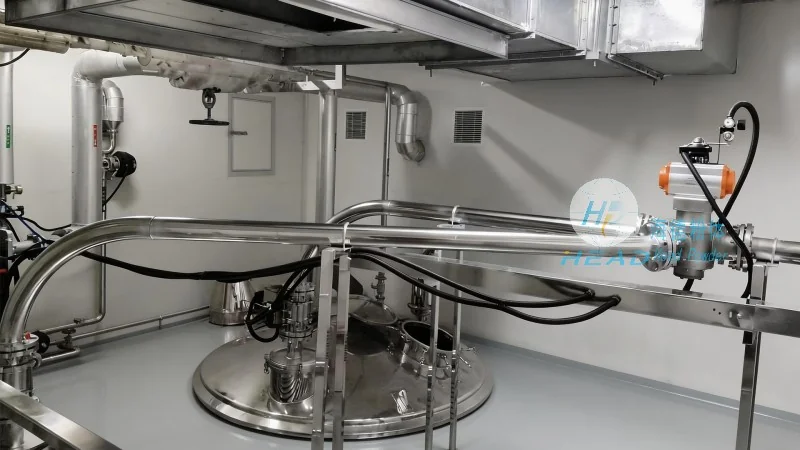
Next, the conveying line itself is a critical component. It consists of a pipeline through which compressed air and the white flour mixture travel. The design of the pipeline, including the use of smooth, corrosion-resistant materials like stainless steel or polyethylene, is essential to prevent powder accumulation and ensure easy cleaning. The line may also include elbows and bends to direct the flow, and these are often equipped with special fittings to minimize pressure loss and maintain the flow of the powder-air mixture. The pipeline is typically insulated to prevent heat loss or gain, which can affect the temperature of the white flour and the performance of the system.
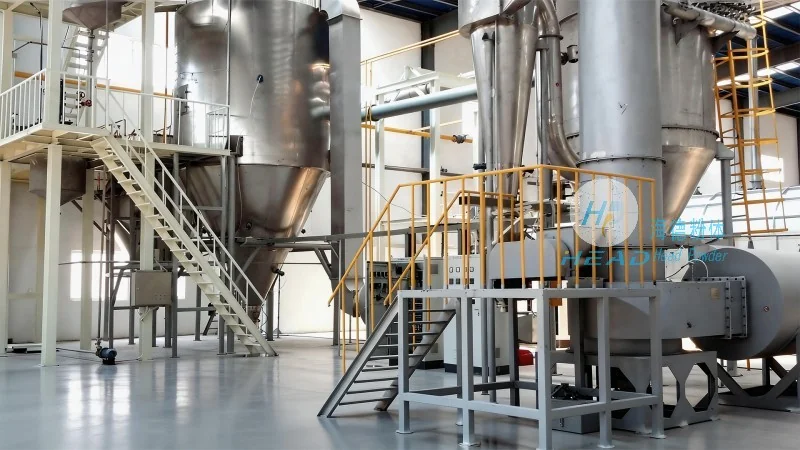
Compressed air is supplied by a blower or air compressor, which generates the necessary pressure to move the white flour through the system. The air source is typically filtered and regulated to ensure clean air, as contaminants can affect the quality of the white flour and the performance of the equipment. The blower is usually connected to the conveying line via a air inlet, and the system may include a air filter to remove dust and moisture from the compressed air. The blower is selected based on the required flow rate and pressure, ensuring that it can handle the volume of white flour being conveyed.
At the receiving end, the white flour is separated from the air using a separator or cyclone. This component uses centrifugal force to separate the powder from the air stream, allowing the white flour to be collected in a product hopper or storage bin. The separated air is then discharged through a exhaust filter to prevent dust emissions and maintain air quality. Some systems may also include a dust collector to capture any fine particles that escape the separator, ensuring compliance with environmental regulations. The separator is designed to handle the specific characteristics of white flour, such as its fine particle size and low density, ensuring efficient separation.
Operational Principle of Pneumatic Conveying
The working principle of a white flour pneumatic conveying system is based on the movement of the powder using compressed air. When the feeder releases white flour into the conveying line, the compressed air is introduced from the blower. The air and powder mix together, creating a slurry that moves through the pipeline. The air provides the necessary force to overcome the gravitational and frictional forces acting on the powder, allowing it to be transported efficiently. The pressure in the system is carefully controlled to ensure optimal conveying. High-pressure systems are used for long-distance or high-capacity applications, while low-pressure systems are suitable for shorter distances or when handling more delicate powders. The flow rate of the white flour and the air is adjusted to maintain a stable mixture, preventing the powder from settling or the air from becoming too dense, which could lead to system inefficiencies or blockages.
The separation process at the receiving end is crucial for maintaining the quality of the white flour. The cyclone separator works by spinning the air-powder mixture at high speeds, causing the heavier white flour particles to move to the outer wall and fall into the product hopper. The lighter air is then discharged through the top of the separator. This process is efficient and effective, ensuring that the white flour is collected without contamination from the air stream. The separator's design, including its diameter and the angle of the cone, is optimized to maximize the separation efficiency and minimize pressure loss.
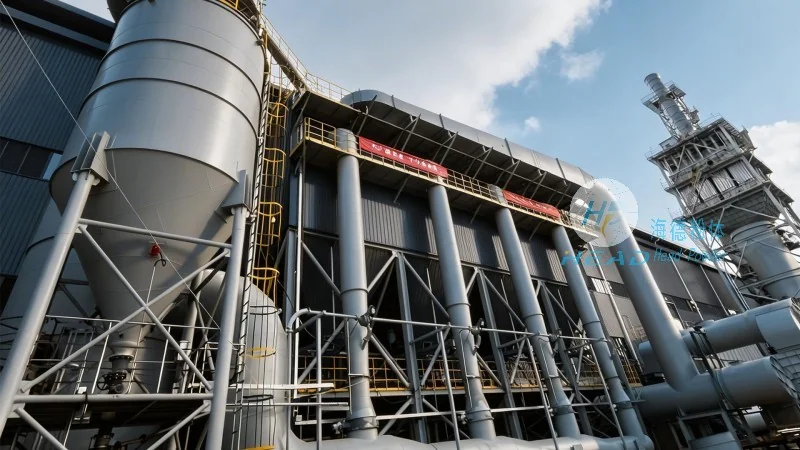
Overall, the pneumatic conveying system for white flour operates by combining the powder with compressed air, transporting it through the pipeline, and then separating the powder from the air at the destination. This method offers several advantages over traditional mechanical conveying, including reduced risk of product contamination, lower maintenance requirements, and the ability to handle fine powders without the need for additional equipment like hoppers or conveyors. The system is also flexible and can be easily scaled to meet the changing needs of the production process.
Applications and Benefits
White flour pneumatic conveying equipment is widely used in various industries, including food processing, pharmaceuticals, and chemical manufacturing. Its primary benefits include improved hygiene, as the system is enclosed and prevents dust from spreading into the environment. This is particularly important in food processing, where product safety and quality are paramount. Additionally, the system is more flexible than mechanical conveyors, as it can be easily reconfigured to handle different types of powders or to change the direction of the flow.




