Slurry pneumatic conveying equipment is a specialized system designed for the efficient and reliable transport of solid-liquid mixtures, commonly known as slurry, over long distances or within industrial facilities. This technology is widely used in various industries, including mining, chemical processing, and food production, where the handling of slurries is essential for material processing and product distribution. The equipment operates by using compressed air or other gases to create a flow that propels the slurry through a network of pipes, ensuring minimal wear and reduced contamination compared to traditional mechanical conveying methods.
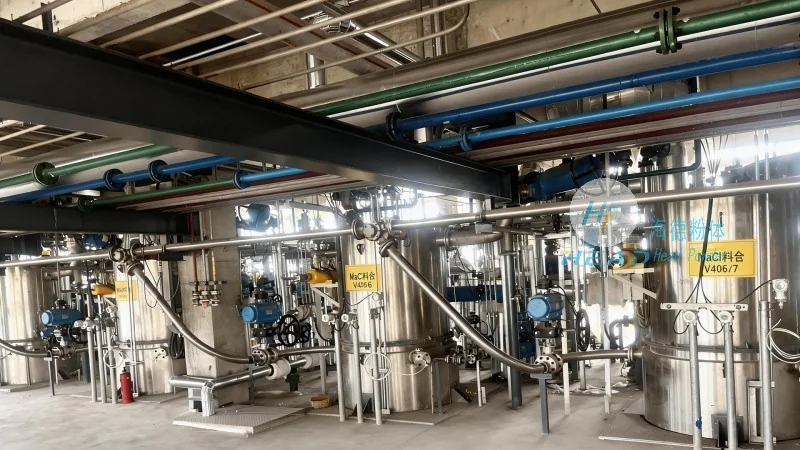
Key Components of Slurry Pneumatic Conveying Systems
The core structure of a slurry pneumatic conveying system consists of several critical components that work in tandem to achieve effective material transport. The primary components include the feeding system, which introduces the slurry into the conveying line; the conveying pipeline, which forms the main pathway for the material; the air supply unit, which generates the necessary pressure and flow of air; and the separation and collection system for the discharged material. Each component is engineered to handle the specific challenges of slurry transport, such as high moisture content, abrasive particles, and varying flow rates.
Working Principle of Slurry Pneumatic Conveying
The operation of slurry pneumatic conveying equipment is based on the principle of fluidization and pneumatic transport. When compressed air is introduced into the conveying pipeline, it creates a low-pressure zone that draws the slurry from the feeding point. The air and slurry mixture then travels through the pipeline, with the air providing the kinetic energy to move the material. The system typically uses a combination of positive and negative pressure to control the flow direction and maintain consistent transport rates. The separation system at the discharge end separates the air from the slurry, allowing the material to be collected in a container or processing unit. This process minimizes the risk of material degradation and ensures a clean, efficient transfer.
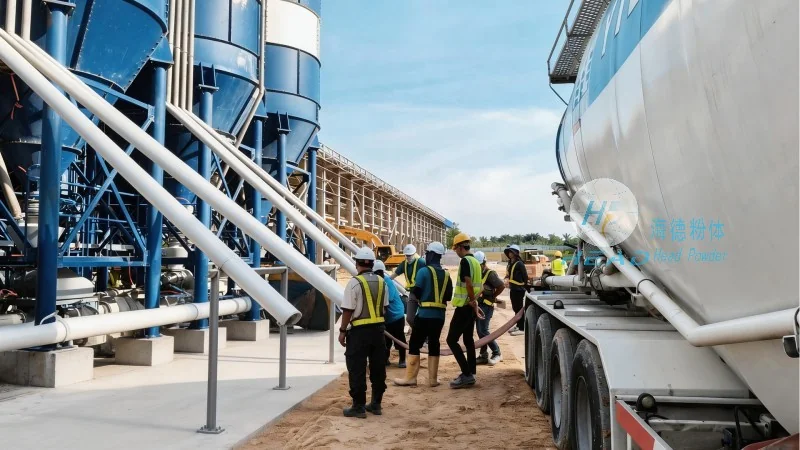
Structure and Design Considerations
The design of slurry pneumatic conveying equipment must account for several factors to ensure optimal performance and longevity. Material selection is crucial, as the components are exposed to abrasive and corrosive substances. Stainless steel and high-grade alloys are commonly used for the pipelines and valves to withstand wear and corrosion. The pipeline layout is carefully planned to avoid sharp bends or restrictions that could cause blockages or pressure losses. Additionally, the system incorporates safety features such as pressure relief valves and flow monitors to prevent over-pressurization and ensure smooth operation. The feeding system is designed to handle varying slurry viscosities and solids concentrations, using mechanisms like screw feeders or pump systems to maintain consistent material input.
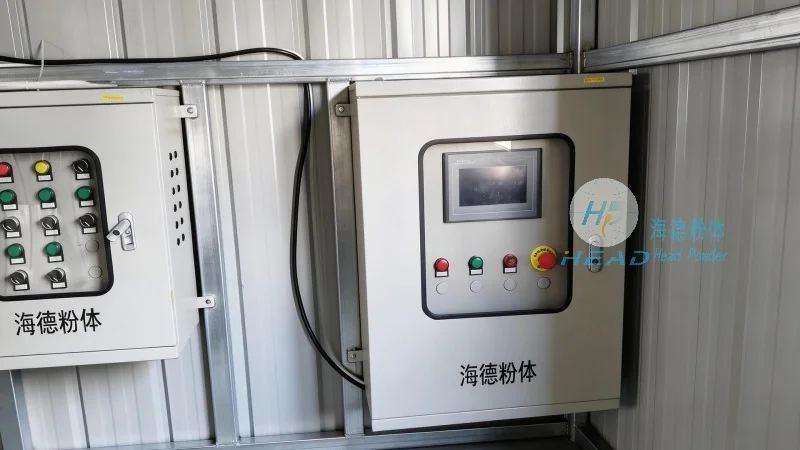
Powder Handling Equipment: A Related Application
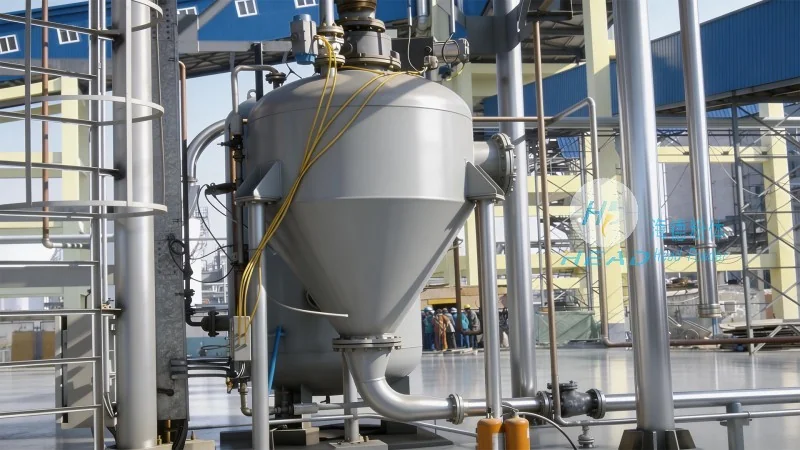
While slurry pneumatic conveying focuses on liquid-solid mixtures, powder handling equipment operates on similar principles but is tailored for dry materials. The structure of powder handling systems includes a dry material feeder, which delivers the powder to the conveying line; a blower or compressor to generate the air flow; and a separation unit to collect the powder at the destination. The key difference lies in the absence of liquid, which simplifies the separation process but requires precise control of particle size and flow rate to prevent dust accumulation and ensure efficient transport. Both systems share the fundamental principle of using air to move materials, making them complementary solutions for bulk material handling in industrial settings.
Applications and Benefits
Slurry and powder handling equipment are integral to many industrial processes, offering several advantages over traditional methods. The primary benefit is the ability to transport materials over long distances without the need for extensive infrastructure, such as conveyor belts or trucks. This reduces operational costs and environmental impact by minimizing the use of vehicles and reducing emissions. Additionally, pneumatic conveying systems are highly flexible, allowing for changes in material flow rates and destinations without significant modifications. The equipment also provides better control over material quality, as it prevents contamination from external sources and maintains consistent moisture levels. These benefits make slurry and powder handling equipment essential for industries that require reliable, efficient, and clean material transport.
About Shandong HeadPowder Engineering Co., Ltd.
Shandong HeadPowder Engineering Co., Ltd. is a reputable manufacturer specializing in bulk material handling solutions. HeadPowder provides high-quality slurry and powder handling equipment designed to meet the demands of various industrial sectors. With a strong commitment to innovation and customer satisfaction, the company offers tailored solutions that enhance operational efficiency and reduce costs. Based in Shandong, China, HeadPowder leverages advanced technology and expertise to deliver reliable equipment that meets international standards. The company's products are widely used in industries such as mining, chemicals, and food processing, where efficient material transport is critical to success.




