Dust pneumatic conveying equipment is a critical component in modern material handling systems, designed to transport dry bulk materials such as powders and granules through an air stream. Understanding the underlying principles of this technology is essential for optimizing operational efficiency and ensuring safe, reliable material transport. This article explores the fundamental concepts, working mechanisms, and key applications of dust pneumatic conveying systems, with a focus on the expertise of Shandong HeadPowder Engineering Co., Ltd., a leading provider in the field.
Basic Concept of Pneumatic Conveying
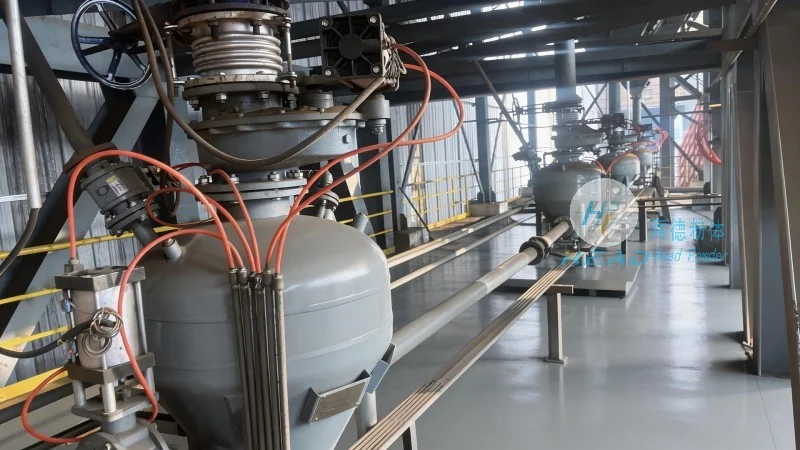
Pneumatic conveying, also known as air conveying, utilizes compressed air or gas to move solid materials from one location to another. Unlike mechanical systems that rely on belts, screws, or buckets, pneumatic conveyors operate by creating a pressure differential or using suction to draw materials into a pipeline. This method is particularly effective for handling fine powders and dust, which are often difficult to transport using traditional methods due to their tendency to clog or degrade in contact with metal surfaces.
Working Principle of Dust Pneumatic Conveying Equipment
The core principle of dust pneumatic conveying involves the creation of a fluidized bed within the conveying line. As compressed air is introduced into the pipeline, it lifts and suspends the material particles, allowing them to be transported at high velocities. The equipment typically consists of a hopper for material storage, a feeder to control the flow rate, a conveying line, and a receiver to collect the material at the destination. The pressure or vacuum applied determines the conveying method—positive pressure systems use compressed air to push material forward, while negative pressure systems use suction to pull material through the line.
Key Components and Their Functions
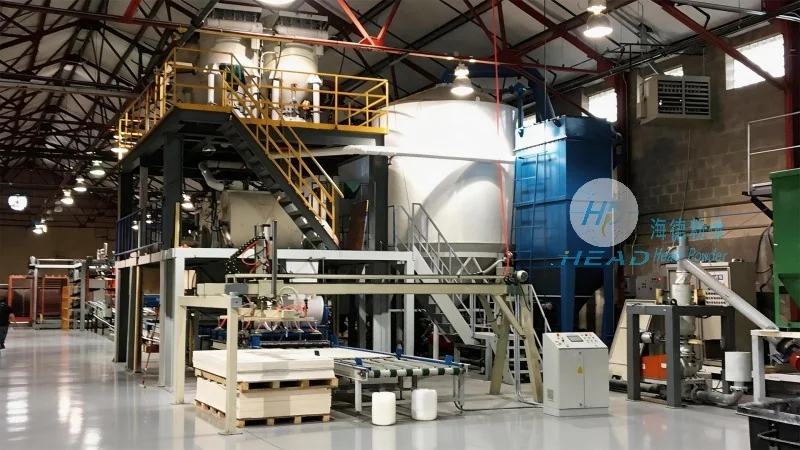
Several critical components work in tandem to ensure efficient dust pneumatic conveying. The hopper, often equipped with a rotary valve or star feeder, regulates the material flow from the storage silo. The feeder ensures a consistent and controlled discharge of material into the conveying line, preventing blockages and maintaining system stability. The conveying line, usually made of stainless steel or other corrosion-resistant materials, is designed to withstand the pressure and temperature conditions of the process. The receiver, equipped with a dust filter or cyclone separator, collects the material and separates it from the air stream, ensuring clean and efficient material recovery.
Advantages of Dust Pneumatic Conveying Systems
Compared to traditional mechanical conveying methods, dust pneumatic conveying offers several advantages. It eliminates the need for moving parts in contact with the material, reducing wear and tear and minimizing the risk of contamination. The enclosed system prevents dust emissions, improving workplace safety and compliance with environmental regulations. Additionally, pneumatic conveyors can handle a wide range of materials, from fine powders to coarse granules, and can transport materials over long distances with minimal energy consumption. The flexibility of these systems allows for easy integration into existing production lines, making them a cost-effective solution for material handling needs.
Applications in Industrial Settings
Dust pneumatic conveying equipment is widely used across various industries, including pharmaceuticals, food processing, chemical manufacturing, and mining. In the pharmaceutical industry, for example, these systems are used to transport active pharmaceutical ingredients (APIs) and excipients with high precision, ensuring product purity and consistency. In food processing, they handle powders such as flour, sugar, and spices, maintaining hygiene standards and preventing cross-contamination. In chemical manufacturing, pneumatic conveyors transport raw materials and intermediates, supporting continuous production processes. The mining industry utilizes these systems to transport bulk materials like coal and ore, improving operational efficiency and reducing labor costs.
Shandong HeadPowder Engineering Co., Ltd.: Expertise in Dust Pneumatic Conveying
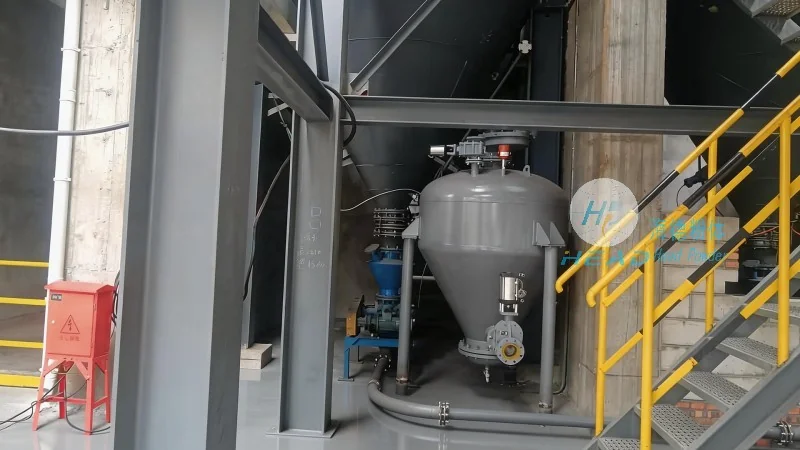
Shandong HeadPowder Engineering Co., Ltd., operating under the brand name headpowder, is a leading manufacturer and supplier of dust pneumatic conveying equipment. With a strong commitment to innovation and quality, the company has developed advanced solutions tailored to the specific needs of various industries. HeadPowder's products are designed to meet international standards for safety, efficiency, and durability, ensuring reliable performance in demanding environments. The company's team of engineers and technicians leverages years of experience to provide customized solutions, from system design and installation to maintenance and support. By partnering with headpowder, businesses can enhance their material handling capabilities, reduce operational costs, and improve overall productivity.
Conclusion: The Future of Dust Pneumatic Conveying
As industries continue to evolve and demand higher efficiency and safety standards, dust pneumatic conveying equipment remains a vital technology in material handling. The principles and applications of these systems have been refined over decades, and companies like Shandong HeadPowder Engineering Co., Ltd. are at the forefront of advancing this technology. By understanding the working principles and benefits of pneumatic conveying, businesses can make informed decisions to optimize their material transport processes, ensuring long-term success and sustainability in their operations.




