HeadPowder, a leading manufacturer based in Shandong, China, specializes in the design and production of advanced pneumatic conveying systems tailored for handling fly ash. This article delves into the fundamental principles behind these systems, explaining how they efficiently transport fly ash from one location to another while maintaining operational efficiency and reliability.
Working Principle of Pneumatic Conveying Systems
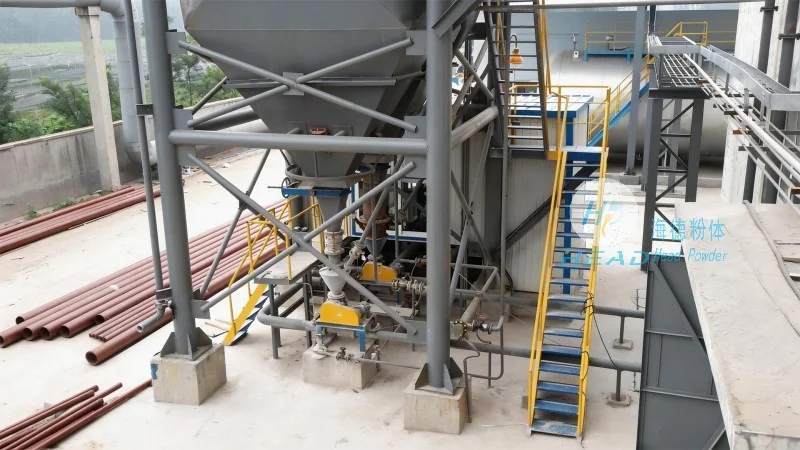
The core mechanism of a fly ash pneumatic conveying system involves the use of compressed air to move particulate materials through a pipeline. In this process, the fly ash is introduced into a hopper or feeder, where it is then drawn into the conveying line by the air flow. The air, typically supplied by a blower or compressor, creates a pressure differential that propels the ash particles forward. This method eliminates the need for mechanical components like belts or buckets, reducing maintenance requirements and increasing system longevity.
Key Components of the Conveying System
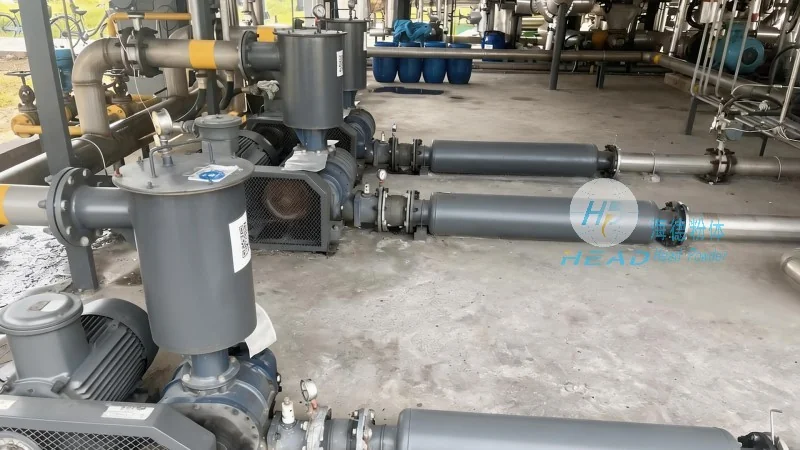
Effective fly ash pneumatic conveying relies on several critical components working in concert. The primary elements include a material hopper or silo for storage, a feeder to control the flow rate of ash into the system, a blower or compressor to generate the necessary air pressure, a pipeline network to transport the ash, and a receiver or discharge unit where the material is deposited. Each component plays a vital role in ensuring smooth and continuous operation, with the feeder and blower being particularly crucial for maintaining consistent flow and pressure.
Aerodynamic Considerations in Pneumatic Conveying
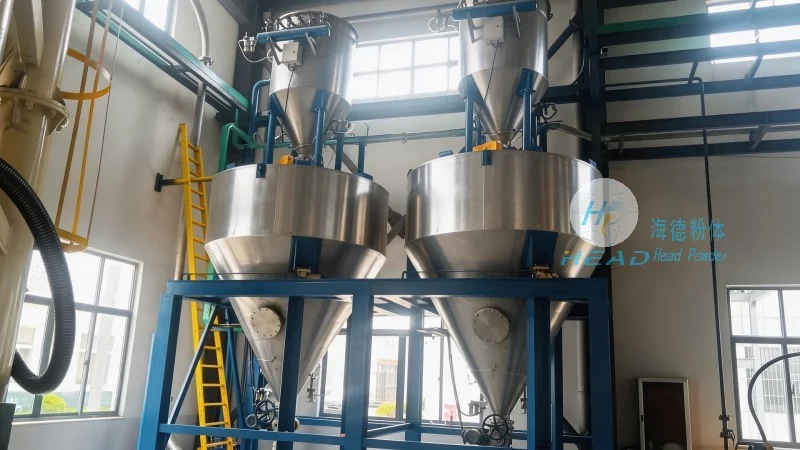
The success of fly ash transport depends heavily on aerodynamic principles. The velocity of the air within the pipeline must be sufficient to overcome the gravitational force acting on the ash particles and to prevent particle deposition or clogging. Engineers calculate the required air velocity based on the particle size, density, and flow rate, ensuring that the system operates within optimal parameters. Additionally, the design of the pipeline, including bends and transitions, is optimized to minimize pressure losses and maintain a stable flow, which is essential for preventing material buildup and ensuring reliable performance.
Advantages of Pneumatic Conveying for Fly Ash
Compared to traditional mechanical conveying methods, pneumatic systems offer several advantages for fly ash handling. These include reduced labor costs due to fewer moving parts, lower maintenance requirements, and the ability to handle abrasive materials without significant wear. The enclosed pipeline system also prevents dust emissions, enhancing workplace safety and compliance with environmental regulations. Furthermore, the flexibility of pneumatic systems allows for easy integration with existing infrastructure, making them a practical solution for various industrial applications.
Application and Operational Excellence
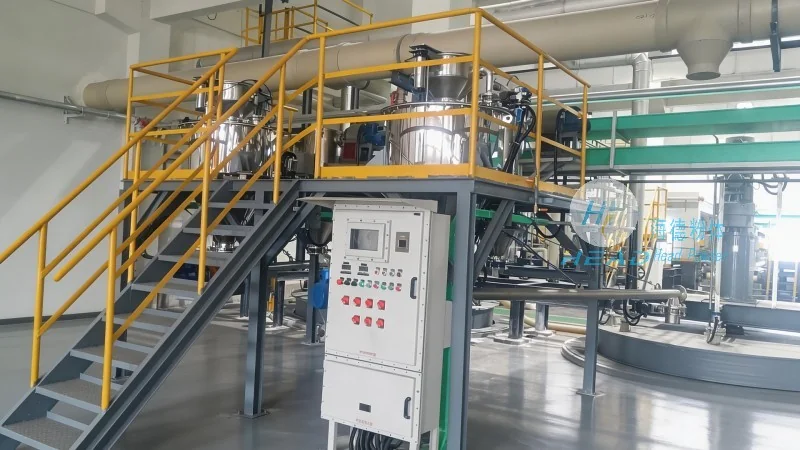
HeadPowder’s fly ash pneumatic conveying equipment is designed to meet the specific needs of industrial facilities, providing reliable and efficient solutions for ash transport. By adhering to the principles of aerodynamics and system integration, these devices ensure consistent performance and minimal downtime. The company’s commitment to quality and innovation ensures that clients receive systems that not only meet but exceed industry standards, contributing to improved operational efficiency and sustainability in fly ash management.




