For industries dealing with glass powders, efficient and reliable material handling is crucial. A glass powder pneumatic conveying system offers a solution that minimizes dust, ensures product purity, and enhances operational safety. This article explores the fundamental aspects of such a system, including its design principles and the technology behind it, as provided by Shandong HeadPowder Engineering Co., Ltd., a leading manufacturer in the field.
Understanding Glass Powder Pneumatic Conveying Systems
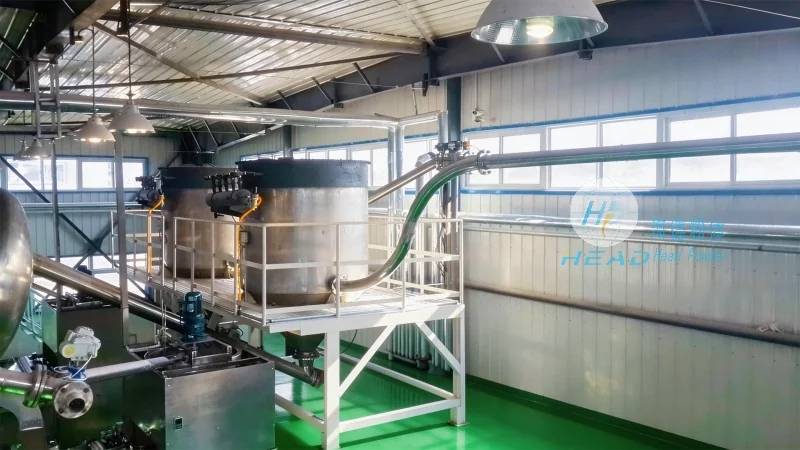
A glass powder pneumatic conveying system is a specialized equipment setup designed to transport fine glass powders through a pipeline using air or other gas as the conveying medium. Unlike traditional mechanical conveyors, this system relies on the force of air to move the material, making it particularly suitable for handling fragile or abrasive materials like glass powders. The primary goal is to achieve a smooth, continuous flow of the powder from the source to the destination, while maintaining the integrity of the material and minimizing contamination.
Key Components of a Glass Powder Pneumatic Conveying System
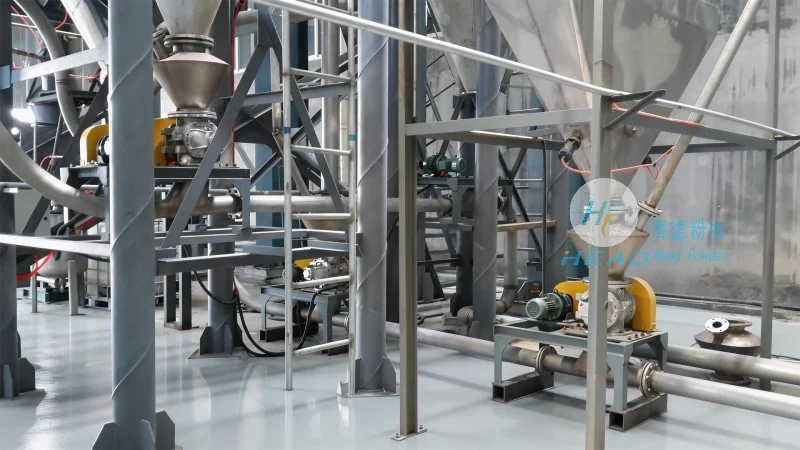
The effectiveness of a glass powder pneumatic conveying system depends on several critical components working in harmony. These components include the material feed hopper, which holds the glass powder and regulates the flow; the air supply system, which generates the necessary pressure or vacuum to move the material; the conveying line, typically made of stainless steel or other corrosion-resistant materials to prevent contamination and ensure durability; and the control system, which manages the operation and adjusts parameters like air pressure and flow rate. Each component plays a vital role in ensuring the system operates efficiently and safely.
Design Principles for Optimal Performance
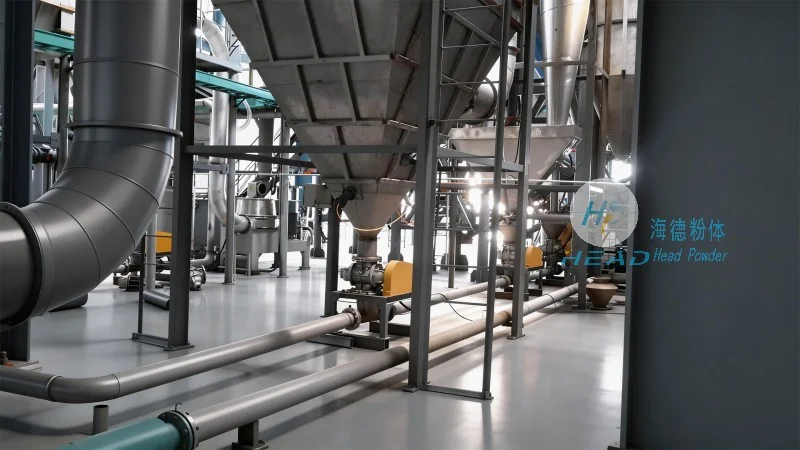
The design of a glass powder pneumatic conveying system follows specific principles to maximize performance and minimize issues such as blockages, material degradation, or system inefficiencies. One key principle is maintaining consistent air velocity within the conveying line. The air velocity must be high enough to keep the glass powder suspended and prevent it from settling or clogging the pipeline. This is often achieved by calculating the appropriate air flow rate based on the particle size, density, and moisture content of the glass powder. Another critical principle is the proper selection of equipment materials. Since glass powders can be abrasive and may contain moisture, the conveying line and other components are typically made of stainless steel or other corrosion-resistant materials to withstand wear and prevent contamination. Additionally, the system design considers the need for cleaning and maintenance, incorporating features like purge ports and easy-to-access components to facilitate regular upkeep.
Advantages of Using a Glass Powder Pneumatic Conveying System
Implementing a glass powder pneumatic conveying system offers several advantages for industries dealing with glass powders. First, it significantly reduces dust generation compared to mechanical conveyors, improving workplace safety and product quality. The enclosed system prevents dust from escaping into the environment, which is especially important for handling fine glass powders that can be hazardous if inhaled. Second, the system enhances product purity by minimizing contamination from external sources. Since the material is contained within the pipeline, it is less likely to come into contact with foreign particles or moisture, ensuring the glass powder remains in its original state. Third, the system improves operational efficiency by enabling continuous, automated material handling. This reduces labor costs and increases production throughput, making it a cost-effective solution for large-scale glass powder processing. Finally, the system is flexible and can be adapted to various production requirements, from small-scale laboratory applications to large industrial plants.
Conclusion
A glass powder pneumatic conveying system is a sophisticated and efficient solution for handling fine glass powders. By understanding its design principles and key components, industries can optimize their material handling processes, improve product quality, and enhance operational safety. The system's ability to minimize dust, maintain product purity, and provide continuous operation makes it an essential asset for any facility dealing with glass powders. As technology advances, these systems continue to evolve, offering even more reliable and efficient solutions for the glass industry.




