Grain pneumatic conveyors are an essential piece of equipment in the agricultural and food processing industries. These systems utilize air pressure to transport bulk materials like grains, seeds, and other dry products from one location to another. Understanding the fundamental concepts behind their operation and design is crucial for optimizing efficiency and ensuring reliable performance in various industrial applications.
What is a Grain Pneumatic Conveyor?
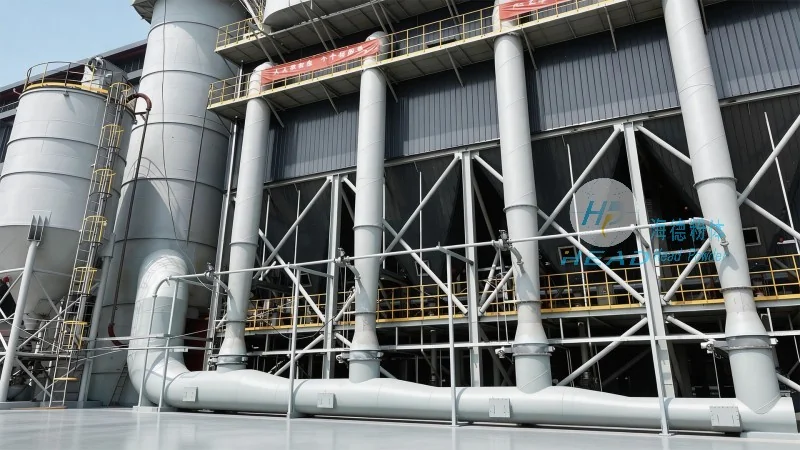
A grain pneumatic conveyor, also known as an air conveyor or pneumatic system, is a mechanical device that moves bulk materials through a pipeline using a stream of air. Unlike traditional mechanical conveyors that rely on belts, buckets, or screws, pneumatic conveyors employ compressed air to create a flow of material. This method offers several advantages, including the ability to transport materials over long distances, through vertical and horizontal paths, and even around obstacles with minimal maintenance requirements.
Key Components of a Grain Pneumatic Conveyor System
At the core of any pneumatic conveyor system are several critical components that work in tandem to ensure smooth material transport. The primary components include the air compressor, which generates the necessary pressure to move the material; the conveying line, typically made of metal or plastic pipes, that houses the material and air; and the feeders, which introduce the material into the system at a controlled rate. Additionally, systems may include filters to remove dust and debris from the air, regulators to control air pressure, and valves to direct the flow of material and air as needed.
The Design Principles Behind Grain Pneumatic Conveyors
The design of a grain pneumatic conveyor is based on several key principles that ensure efficient and reliable operation. The most fundamental principle is the balance between the air velocity and the material's velocity. If the air velocity is too low, the material may not be fully suspended and could settle in the pipe, leading to blockages. Conversely, if the air velocity is too high, excessive energy consumption and potential damage to the material may occur. Engineers must carefully calculate the required air velocity based on the specific characteristics of the grain, such as particle size, density, and moisture content.
Another critical design principle is the pressure drop across the system. As air and material travel through the conveying line, friction and other factors cause a reduction in pressure. Proper design ensures that the pressure drop remains within acceptable limits to prevent excessive energy use and maintain the material's flow. This involves selecting appropriate pipe diameters, ensuring smooth pipe surfaces, and minimizing bends and other obstructions that could increase pressure loss.
How the Air-Flow Mechanism Works
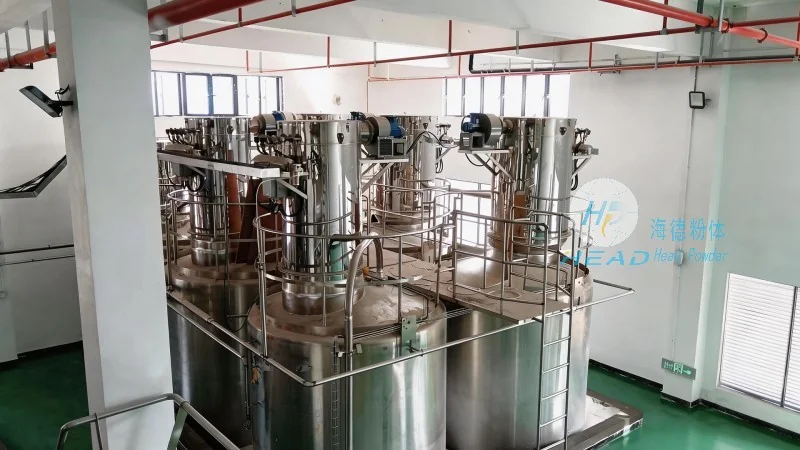
The operation of a grain pneumatic conveyor relies on the principle of fluid dynamics. When compressed air is introduced into the conveying line, it creates a low-pressure zone that draws the material into the pipe. The air then carries the material along the pipeline, maintaining a consistent flow. The system may use either positive pressure (where air is blown into the line, pushing the material forward) or negative pressure (where air is sucked out of the line, pulling the material in). The choice between these methods depends on factors such as the distance to be covered, the height of the vertical lift, and the type of material being transported.
Advantages of Using Grain Pneumatic Conveyors
Grain pneumatic conveyors offer several advantages over traditional mechanical conveyors. One of the most significant benefits is their ability to transport materials in a closed system, which helps prevent contamination from dust, moisture, or other environmental factors. This is particularly important for food-grade products, where hygiene and product integrity are paramount. Additionally, pneumatic conveyors can handle a wide range of materials, including fine powders, granules, and even irregularly shaped items, without the risk of damage that may occur with mechanical systems.
Another advantage is the flexibility of the system. Pneumatic conveyors can be easily reconfigured or expanded to accommodate changing production needs. They can be integrated with other equipment, such as hoppers, silos, and processing machinery, to create a seamless material handling workflow. This adaptability makes them a popular choice in modern industrial settings where efficiency and versatility are key.
Applications in the Agricultural and Food Industries
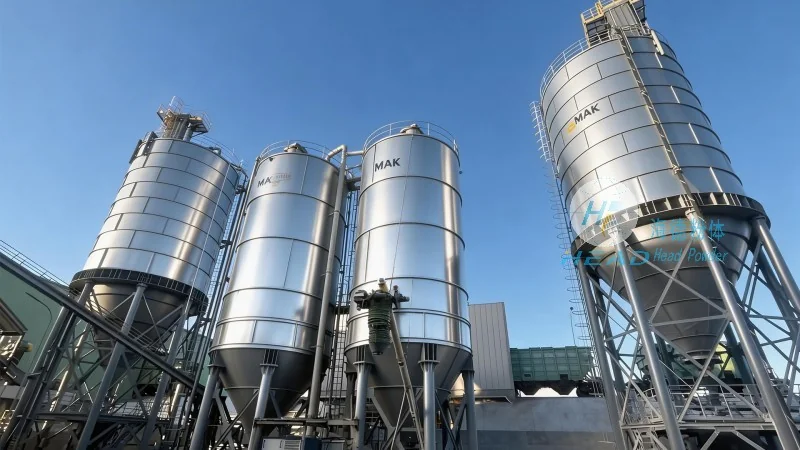
Grain pneumatic conveyors are widely used in various applications within the agricultural and food processing sectors. In grain storage facilities, they are used to transfer harvested grains from storage silos to processing plants or distribution centers. In flour mills, they transport raw wheat or other grains to grinding and milling equipment. In feed mills, they move ingredients like corn, soybeans, and other feed components to mixing and packaging lines. The versatility of these systems makes them suitable for a wide range of applications, from small-scale farms to large industrial processing facilities.
Maintenance and Operational Considerations
While grain pneumatic conveyors are generally low-maintenance, proper operation and regular maintenance are essential to ensure long-term performance. Key maintenance tasks include cleaning the conveying lines and filters to prevent clogging, checking air pressure and flow rates to ensure optimal operation, and inspecting components such as the air compressor and valves for wear and tear. Regular maintenance not only extends the lifespan of the equipment but also minimizes downtime and ensures consistent material transport.
Operational considerations also include the selection of appropriate air pressure and flow rates based on the material being transported. For example, transporting fine powders may require higher air velocities to prevent settling, while larger grains may need lower velocities to avoid excessive energy consumption. Proper training of operators on the system's controls and safety procedures is also critical to prevent accidents and ensure safe operation.
Conclusion
Grain pneumatic conveyors are a sophisticated and efficient solution for transporting bulk materials in the agricultural and food industries. Their design, based on fundamental principles of fluid dynamics and air pressure, allows for reliable and hygienic material handling over long distances and through complex layouts. By understanding the key components, design principles, and operational considerations, businesses can optimize the performance of these systems and enhance their overall productivity. As a leading provider in this field, Shandong HeadPowder Engineering Co., Ltd. specializes in designing and manufacturing high-quality pneumatic conveyor systems tailored to meet the specific needs of various industrial applications.




