When it comes to efficiently transporting fine materials like sawdust and wood flour, pneumatic conveying systems offer a reliable and effective solution. A sawdust wood flour pneumatic conveying line is a specialized type of equipment designed to handle these lightweight, powdery substances with precision and minimal loss. This article will explore what such a system entails and delve into the core design principles that underpin its functionality.
Understanding the Sawdust Wood Flour Pneumatic Conveying Line
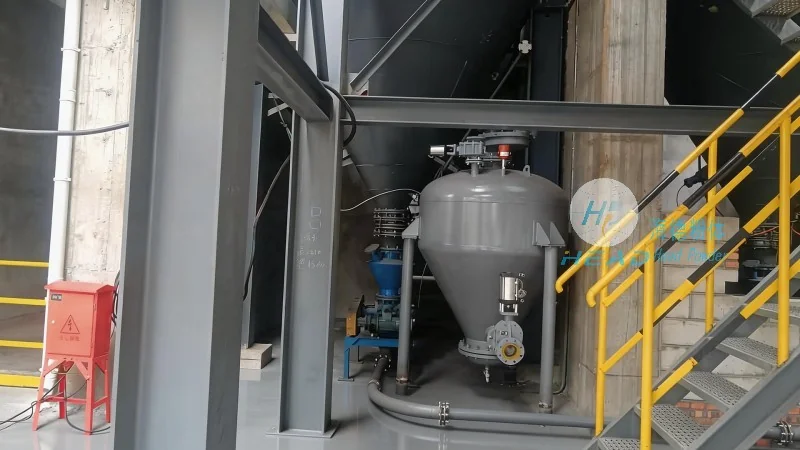
A sawdust wood flour pneumatic conveying line is a closed-loop system that uses compressed air or gas to transport particulate materials through a network of pipes. Unlike traditional mechanical conveyors, which rely on moving parts like belts or screws, pneumatic systems utilize air pressure to move the material, making them ideal for handling fine, dusty materials that could be easily entrained in traditional systems. The primary components of this system typically include a material hopper, a feeder, a conveying pipe, a separator, and a dust collector. Each component plays a crucial role in ensuring the material is transported efficiently and safely.
Key Components and Their Functions
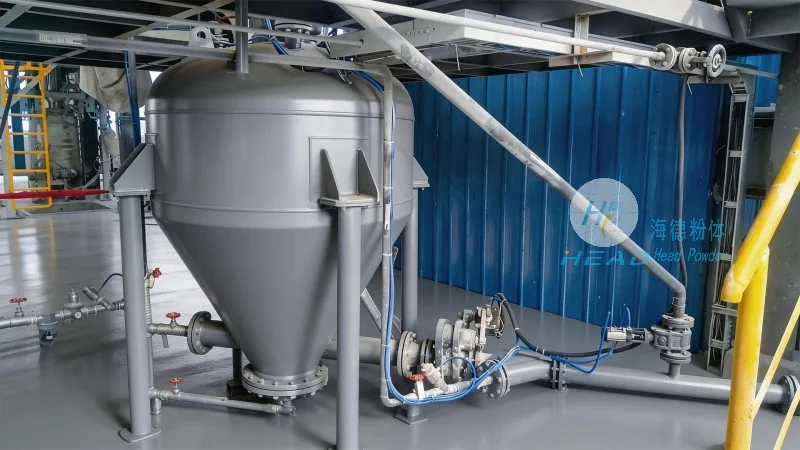
The material hopper serves as the storage container for the sawdust or wood flour, providing a consistent feed to the system. It is designed to minimize material buildup and ensure a steady flow into the feeder. The feeder, often a rotary or vibratory type, regulates the flow rate of the material into the conveying pipe, preventing overloading and maintaining system stability. The conveying pipe is the main pathway for the material, and its design—such as the diameter, length, and bends—significantly impacts the system's performance. The separator, typically a cyclone or a bag filter, separates the material from the air stream, allowing the material to be collected while the air is discharged. Finally, the dust collector ensures that any residual dust is captured, maintaining air quality and compliance with environmental regulations.
Design Principles for Optimal Performance
The design of a sawdust wood flour pneumatic conveying line is governed by several key principles aimed at maximizing efficiency, minimizing energy consumption, and ensuring long-term reliability. One of the most critical considerations is the air velocity within the conveying pipe. The air velocity must be high enough to entrain the material particles but low enough to prevent excessive wear on the pipe and reduce energy costs. Engineers typically use the "critical velocity" concept, which is the minimum air velocity required to keep the material suspended in the air stream. For sawdust and wood flour, this velocity often falls within a specific range, and the design must account for the material's density, particle size, and moisture content.
Another important design principle is the system's pressure. Pneumatic conveying systems can operate under either positive or negative pressure. Positive pressure systems push the material through the pipe using compressed air, while negative pressure systems pull the material using a vacuum. The choice between these two depends on factors such as the distance to be covered, the material's characteristics, and the need to prevent dust leakage. For sawdust and wood flour, positive pressure systems are commonly preferred as they provide better control over the material flow and reduce the risk of dust emissions.
Material Considerations and System Adaptability
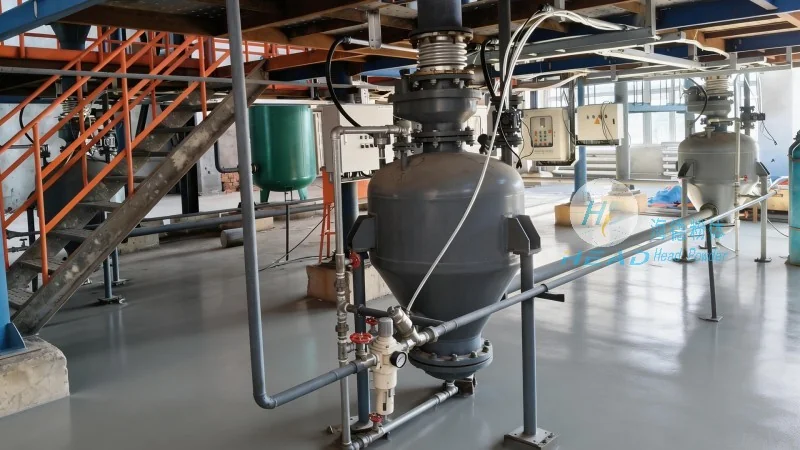
When designing a sawdust wood flour pneumatic conveying line, the material's properties are paramount. Sawdust and wood flour are typically lightweight, with low bulk density, which can make them challenging to transport. The system must be designed to handle these characteristics effectively. For instance, the feeder must be capable of handling fine particles without clogging, and the conveying pipe must be smooth to prevent material buildup. Additionally, the material's moisture content is a critical factor, as higher moisture levels can lead to clumping and increased friction, potentially reducing system efficiency. Engineers must consider these factors when selecting the appropriate components and adjusting the system parameters.
Applications and Industry Use Cases
Sawdust wood flour pneumatic conveying lines are widely used in various industries, including woodworking, paper manufacturing, and biomass energy production. In the woodworking industry, these systems are used to transport sawdust from sawmills to storage silos or processing facilities. In paper manufacturing, they help move wood flour to the pulping and papermaking processes. In biomass energy, they are employed to transport sawdust to biomass boilers for energy generation. The versatility of these systems makes them suitable for a range of applications where efficient and dust-free material transport is essential.
Advantages of Pneumatic Conveying for Sawdust and Wood Flour
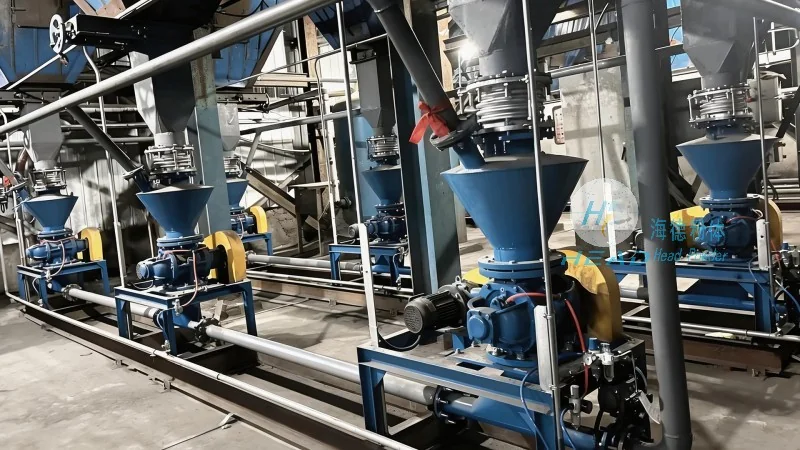
Compared to traditional mechanical conveyors, sawdust wood flour pneumatic conveying lines offer several advantages. First, they are dust-free, which improves workplace safety and reduces the risk of fire hazards associated with fine powders. Second, they are flexible, as the system can be easily reconfigured to accommodate changes in material flow or process requirements. Third, they are energy-efficient, as they require less power to operate compared to mechanical systems, especially over long distances. Finally, they are low-maintenance, as they have fewer moving parts and are less prone to wear and tear. These advantages make pneumatic conveying an attractive option for industries dealing with sawdust and wood flour.
Conclusion and Company Overview
In conclusion, a sawdust wood flour pneumatic conveying line is a sophisticated system designed to efficiently transport fine materials like sawdust and wood flour. Its design is based on principles that optimize air velocity, system pressure, and material handling, ensuring reliable and safe operation. The system's components work in harmony to provide a dust-free, flexible, and energy-efficient solution for industries that rely on these materials. As a leading provider in this field, Shandong HeadPowder Engineering Co., Ltd. specializes in designing and manufacturing such systems, leveraging years of experience to deliver high-quality solutions tailored to the specific needs of their clients. With a focus on innovation and customer satisfaction, HeadPowder continues to be a trusted partner in the efficient handling of sawdust and wood flour across various industries.




