Alumina hydroxide, a key industrial chemical, is often transported using specialized equipment. One such system is the pneumatic conveying line, which efficiently moves the material from one location to another. This article explores the concept of an alumina hydroxide pneumatic conveying system and delves into its underlying design principles.
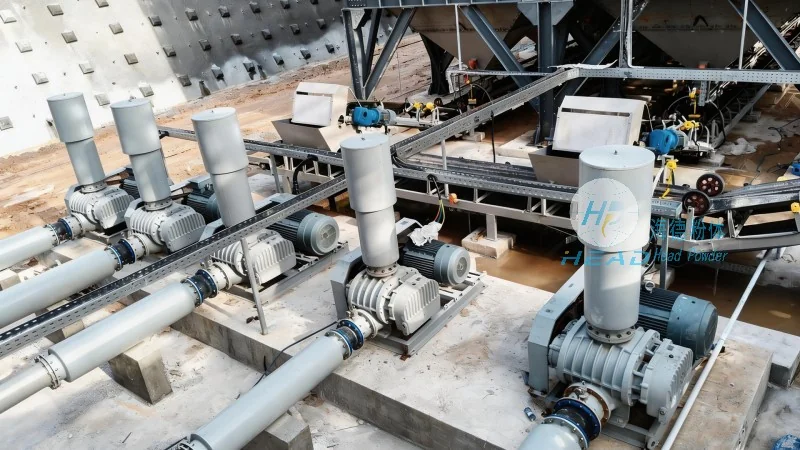
Understanding the Alumina Hydroxide Pneumatic Conveying System
An alumina hydroxide pneumatic conveying system is a technology used to transport alumina hydroxide powder through a pipeline using air or other gas as the conveying medium. This method is particularly advantageous for handling fine powders like alumina hydroxide, which can be difficult to transport via traditional methods such as belt conveyors or bucket elevators. The system typically consists of a hopper, a feeder, a pipeline, and a receiver, all working in tandem to ensure efficient material transfer.
Key Components of the System
The effectiveness of an alumina hydroxide pneumatic conveying system relies on several critical components. The hopper serves as the storage container for the alumina hydroxide, providing a consistent feed to the system. The feeder, often a rotary valve or a screw feeder, regulates the flow of material into the pipeline, ensuring a controlled and steady supply. The pipeline itself is designed to withstand the pressure and flow of the conveying medium and the material. Finally, the receiver collects the alumina hydroxide at the destination, completing the transport process.
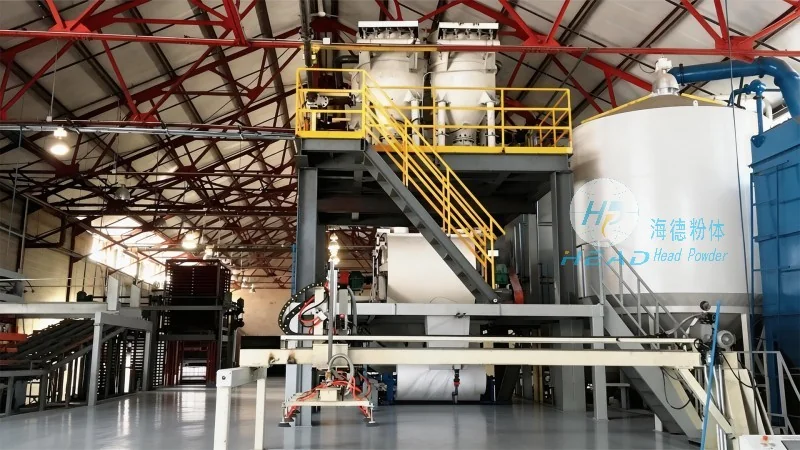
Design Principles and Operational Considerations
The design of an alumina hydroxide pneumatic conveying system is guided by several fundamental principles aimed at optimizing performance and ensuring safety. One of the primary principles is the selection of the appropriate conveying medium, typically air, which must be filtered and conditioned to prevent contamination and ensure consistent flow. The system's design also considers the particle size and density of the alumina hydroxide, as these factors influence the required air velocity and pressure. Additionally, the pipeline layout and the number of bends are carefully planned to minimize pressure losses and prevent material deposition or blockages.
Advantages of Pneumatic Conveying for Alumina Hydroxide
Compared to other material handling methods, the pneumatic conveying system offers several advantages for alumina hydroxide transport. It provides a closed system, which helps in maintaining the purity of the material and preventing dust emissions, a critical factor in industrial applications. The system is also flexible, allowing for changes in the transport route without major structural modifications. Furthermore, it can handle high volumes of material efficiently, making it suitable for large-scale production facilities. The design of the system, particularly the control mechanisms, ensures that the transport process is energy-efficient and cost-effective.
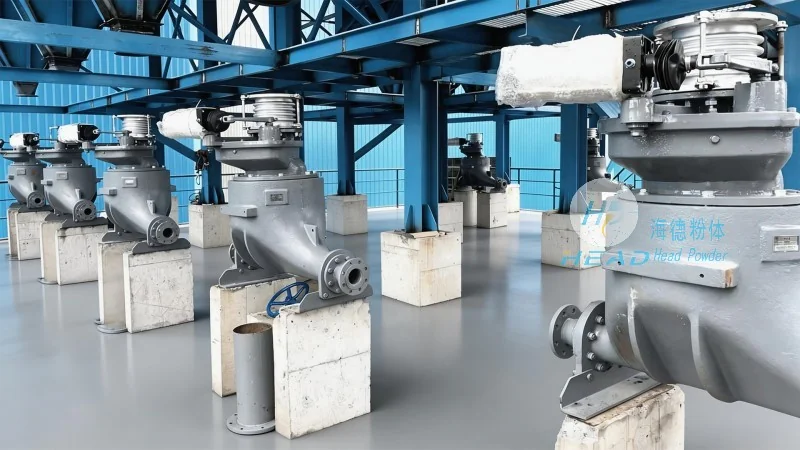
Applications in Industrial Settings
Alumina hydroxide pneumatic conveying systems are widely used in various industrial applications, including the production of aluminum, ceramics, and other chemical products. In these settings, the system is integrated into the manufacturing process to transport alumina hydroxide from storage to processing units. The reliability and efficiency of the system are crucial for maintaining production schedules and ensuring product quality. The system's ability to handle fine powders without degradation makes it an ideal choice for industries where material purity is paramount.
Conclusion
In summary, an alumina hydroxide pneumatic conveying system is a sophisticated piece of equipment designed to efficiently transport alumina hydroxide powder. Its design principles focus on optimizing material flow, ensuring system reliability, and maintaining material quality. The system's components work together to provide a seamless and effective transport solution, making it a preferred choice in many industrial applications. As a leading provider in this field, Shandong HeadPowder Engineering Co., Ltd. specializes in designing and manufacturing such systems, leveraging years of experience to deliver high-quality solutions tailored to the needs of their clients.




