Pneumatic pulse powder conveying is a specialized method used in industrial applications to transport dry bulk materials, such as powders and granules, through a pipeline system using compressed air. This technology has become increasingly important in various sectors, including pharmaceuticals, food processing, and chemical manufacturing, due to its efficiency and ability to handle a wide range of materials with minimal degradation. The core of this system lies in the controlled pulsation of air, which creates a dynamic flow that propels the material forward, ensuring reliable and consistent transport.
Key Design Principles of Pulse Powder Conveying Systems
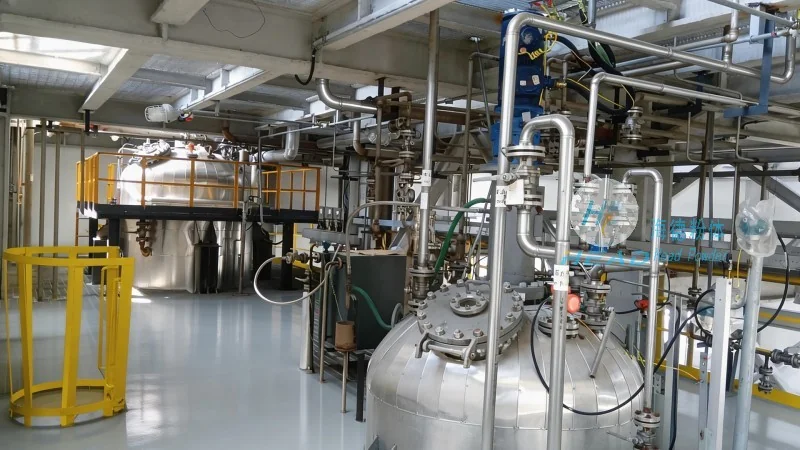
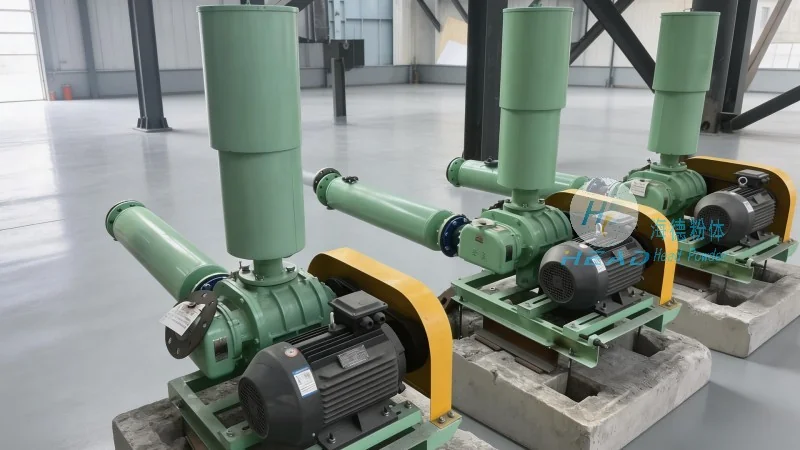
The design of a pulse powder conveying system involves several critical components and principles that work in harmony to achieve optimal performance. The primary elements include a pipeline network, a pulse generator (often an air compressor or a dedicated pulsation device), and a series of control valves that regulate the air flow. The pulse generator is responsible for creating the intermittent pressure waves that drive the material. The frequency and amplitude of these pulses are carefully calibrated to match the characteristics of the material being conveyed—such as particle size, density, and flowability—to ensure efficient transport without causing excessive pressure drops or material degradation.
One of the most significant design considerations is the selection of the right pipeline diameter and material. Larger diameters are generally preferred for high-capacity applications, as they reduce friction losses and allow for higher material throughput. The choice of pipeline material, such as stainless steel or polyethylene, depends on the chemical compatibility of the conveyed material and the need for hygiene or corrosion resistance. Additionally, the system incorporates check valves and filters to prevent backflow and maintain air quality, ensuring the longevity of the equipment and the purity of the conveyed product.
How Pneumatic Pulse Conveying Works: A Step-by-Step Explanation
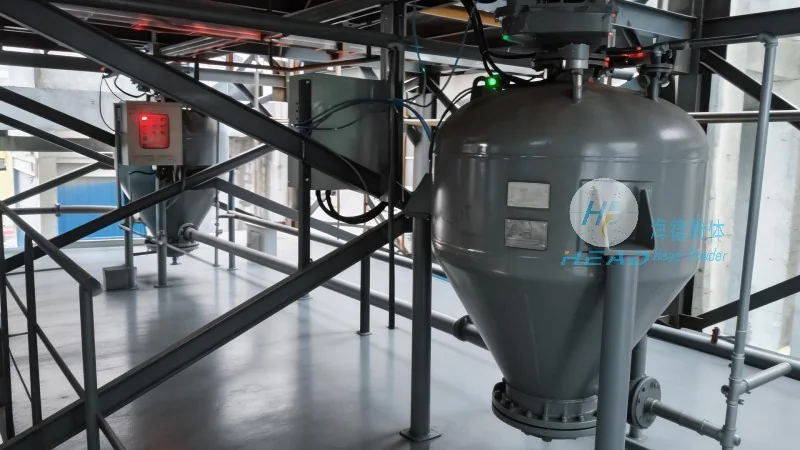
The operation of a pulse powder conveying system follows a systematic process. First, the material is fed into the pipeline at the inlet point, typically through a hopper or a feeder. The pulse generator then initiates a series of high-pressure air pulses that travel through the pipeline. These pulses create a vacuum or a pressure differential that pulls the material along with the air stream. The material is carried in a dilute phase, meaning it is suspended in the air rather than flowing as a dense slurry, which minimizes friction and allows for smooth transport over long distances. The system is designed to maintain a consistent flow rate by adjusting the pulse frequency and pressure, ensuring that the material reaches the destination without clogging or degradation.
Another critical aspect of the design is the inclusion of a receiver or a silo at the end of the pipeline. This component collects the conveyed material and allows it to settle, separating the air from the product. The receiver is equipped with a discharge valve that controls the release of the material into the next processing stage. The entire system is monitored through sensors and control panels, which provide real-time data on pressure, flow rate, and material level, enabling operators to adjust the system parameters as needed to maintain optimal performance.
About Shandong HeadPowder Engineering Co., Ltd.
Shandong HeadPowder Engineering Co., Ltd., operating under the brand name headpowder, is a leading manufacturer and supplier of advanced powder handling solutions. With a strong focus on innovation and quality, the company specializes in designing and manufacturing pneumatic conveying systems, including pulse powder conveying equipment. HeadPowder's products are engineered to meet the diverse needs of various industries, ensuring reliable and efficient material transport while adhering to strict standards for safety and hygiene. The company's headquarters is located in Shandong, China, where it leverages its expertise and local resources to deliver high-performance solutions tailored to customer requirements.




