When discussing industrial powder handling, one material that stands out for its unique properties and applications is precipitated barium sulfate. This white, crystalline powder is widely used in various industries, including coatings, plastics, and inks, due to its high whiteness, excellent hiding power, and chemical stability. The efficient and safe handling of this powder is crucial for maintaining product quality and operational efficiency. In this article, we will explore the concept of precipitated barium sulfate powder handling and delve into the design principles that underpin effective systems for its transport and management.
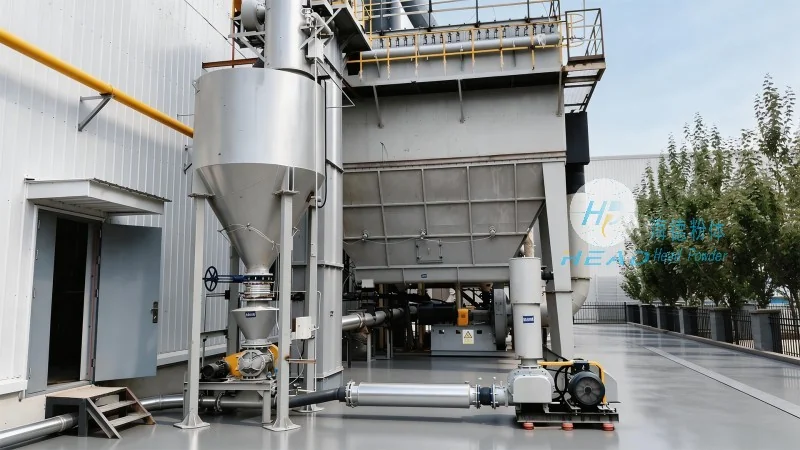
The Importance of Proper Powder Handling for Precipitated Barium Sulfate
Precipitated barium sulfate is a fine powder with a particle size typically ranging from 0.5 to 10 micrometers. Its fine nature makes it susceptible to issues like dust accumulation, caking, and blockage in handling equipment. Proper handling is essential to prevent these problems, which can lead to product contamination, equipment damage, and increased operational costs. Effective powder handling systems ensure that the material is moved from storage to processing equipment without degradation, maintaining its quality and performance characteristics.
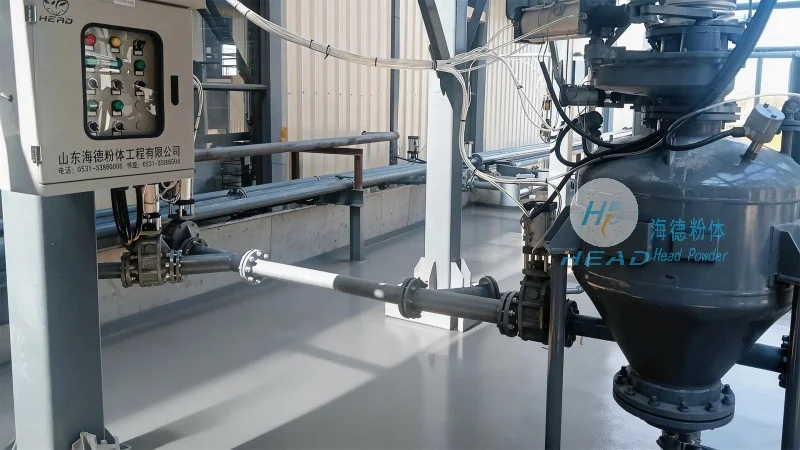
Key Design Principles for Precipitated Barium Sulfate Powder Handling Systems
The design of a powder handling system for precipitated barium sulfate must consider several critical factors to ensure optimal performance. First, the system must address the material's flow properties, as fine powders can exhibit cohesive behavior, leading to arching and ratholing in hoppers and silos. Solutions such as vibration, air classification, or the use of flow aids are often employed to improve flowability. Second, the system should incorporate dust control measures, as barium sulfate is a fine powder that can generate significant dust during handling. Enclosed systems, dust collection equipment, and proper sealing are essential to maintain a safe and clean working environment. Third, the design must consider the material's chemical stability and the need to prevent contamination from other substances. This includes using appropriate materials of construction for equipment, such as stainless steel or corrosion-resistant alloys, to avoid chemical reactions with the powder. Fourth, energy efficiency is a key consideration, as the operation of powder handling systems can consume significant energy. The use of efficient motors, variable frequency drives, and optimized system layouts can help reduce energy consumption and operational costs.

Components of a Typical Precipitated Barium Sulfate Powder Handling System
A typical powder handling system for precipitated barium sulfate consists of several key components. The system starts with a storage silo or hopper, where the powder is stored under controlled conditions to prevent caking and maintain flowability. From the storage vessel, the powder is transferred to a feeder, which regulates the flow rate to the processing equipment. Common feeders for fine powders include rotary valves, vibratory feeders, and loss-in-weight feeders, each with its own advantages and applications. The feeder is connected to a conveyor system, such as a pneumatic conveyor or a mechanical conveyor, which transports the powder to the processing unit. Pneumatic conveyors are particularly effective for fine powders like barium sulfate, as they can handle long distances and provide gentle handling to prevent particle degradation. The system also includes dust collection equipment, such as cyclones or baghouses, to capture any airborne particles and ensure compliance with environmental regulations. Finally, the system may include a control panel that monitors and controls the flow rate, pressure, and other parameters to ensure smooth operation.
Applications of Precipitated Barium Sulfate and Its Handling Requirements
Precipitated barium sulfate is used in a wide range of applications, including coatings, plastics, inks, and ceramics. Each application has specific requirements for the powder's quality and handling. For example, in coatings, the powder is used as a filler to improve the whiteness and hiding power of the coating. The handling system must ensure that the powder is free from contaminants and has a consistent particle size distribution. In plastics, the powder is used as a reinforcing agent or a filler to improve the mechanical properties of the plastic. The handling system must be able to handle the powder at high temperatures and pressures, as the plastic may be processed under these conditions. In inks, the powder is used to provide opacity and whiteness. The handling system must be able to handle the powder in a clean environment to prevent contamination of the ink. In ceramics, the powder is used as a raw material for making ceramic products. The handling system must be able to handle the powder in a way that maintains its purity and prevents contamination.
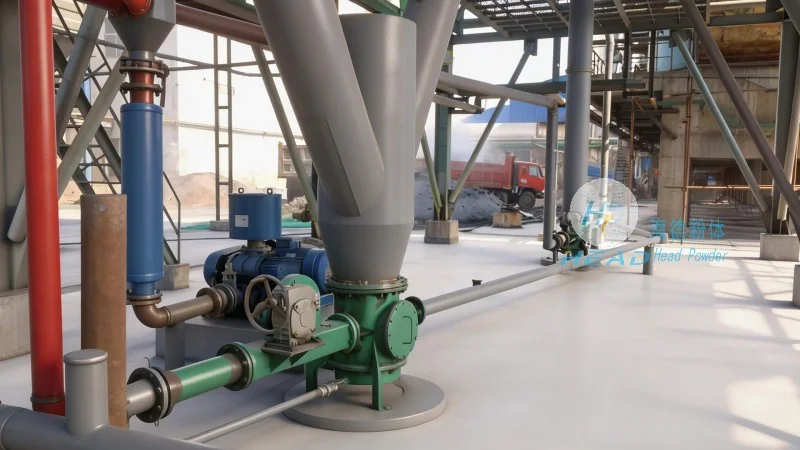
Conclusion: The Role of Proper Design in Precipitated Barium Sulfate Powder Handling
Effective powder handling of precipitated barium sulfate is essential for maintaining product quality, ensuring operational efficiency, and complying with environmental regulations. The design of a powder handling system must consider the material's properties, such as its flowability, dust generation, and chemical stability, and incorporate appropriate solutions to address these challenges. By following the key design principles outlined in this article, companies can develop systems that efficiently handle precipitated barium sulfate, reducing costs and improving overall performance. As the demand for this material continues to grow, the importance of proper powder handling will only increase, making it a critical aspect of industrial operations.




