Synthetic fiber powder handling refers to the process of transporting and managing powders derived from synthetic fibers, which are widely used in various industrial applications such as textiles, composites, and filtration. This specialized field involves the design and implementation of systems that ensure efficient, safe, and reliable movement of these powders from storage to processing units. The complexity of synthetic fiber powders, characterized by their fine particle size, hygroscopic nature, and potential for static charge, necessitates sophisticated handling solutions that address both material properties and operational requirements.
Understanding Synthetic Fiber Powder Handling Systems
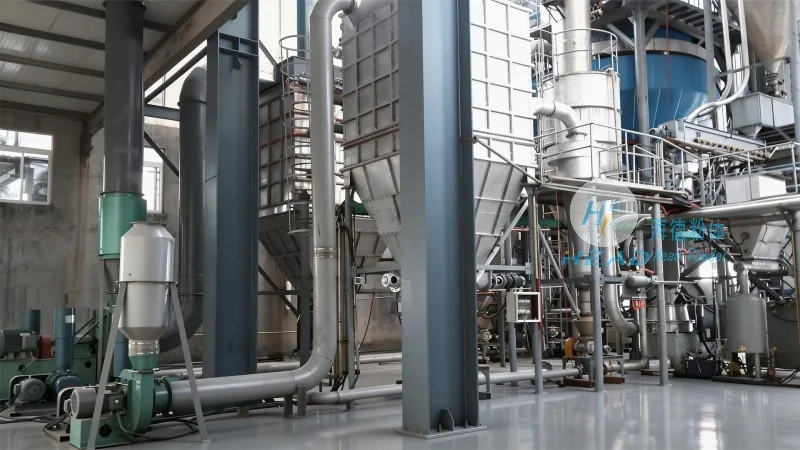
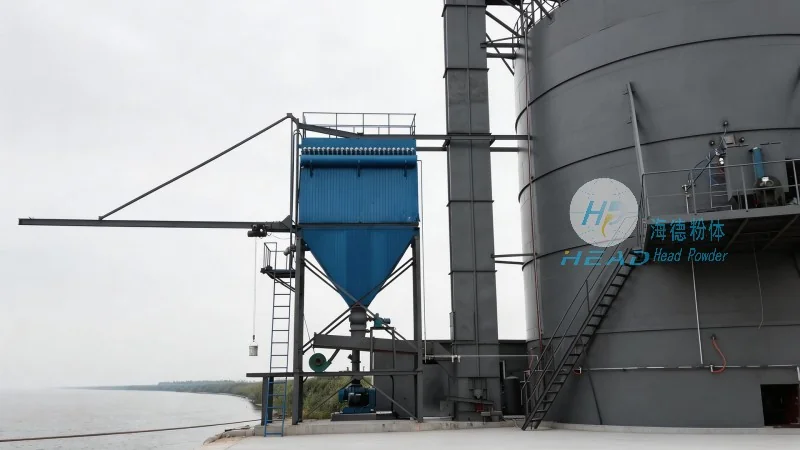
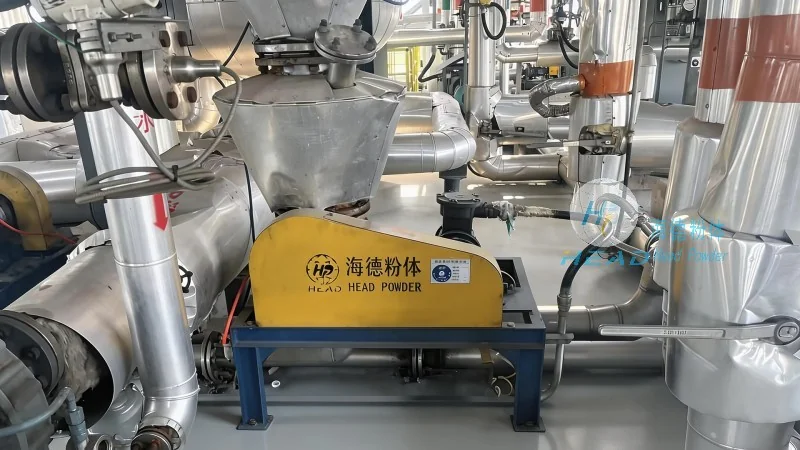
At the core of synthetic fiber powder handling is a comprehensive system designed to accommodate the unique characteristics of these materials. The system typically includes several key components: storage silos or hoppers to hold the powder, feeding mechanisms like rotary valves or screw conveyors to control the flow rate, conveying equipment such as pneumatic or mechanical systems to transport the powder to processing areas, and dust control measures to mitigate the risk of airborne particles. Each component is carefully selected and integrated to ensure seamless operation and minimal material loss or degradation.
Key Design Principles for Efficient Handling
The design of synthetic fiber powder handling systems is guided by several critical principles aimed at optimizing performance and safety. First, material compatibility is paramount: components must be resistant to the chemical and physical properties of synthetic fibers, such as abrasion resistance and static charge. For instance, materials like stainless steel or specialized plastics are often used for hoppers and conveyors to prevent contamination and wear. Second, flow control is essential to prevent bridging, rat-holing, or agglomeration, which can disrupt the handling process. This is achieved through the use of agitators, vibrators, or air knives to maintain consistent material flow. Third, dust suppression and explosion prevention are critical safety considerations. Synthetic fibers are highly combustible when airborne, so systems incorporate explosion-proof designs, dust collection systems, and grounding mechanisms to minimize fire and explosion risks. These principles collectively ensure that the handling process is both efficient and safe.
HeadPowder's Expertise in Synthetic Fiber Powder Handling
Shandong HeadPowder Engineering Co., Ltd., commonly known as HeadPowder, is a leading provider of specialized powder handling solutions tailored to the unique needs of synthetic fiber applications. With years of experience in the industry, HeadPowder has developed a deep understanding of the challenges associated with synthetic fiber powders, including their tendency to form static charges and their sensitivity to moisture. The company's engineering team designs custom systems that address these challenges through innovative solutions. For example, HeadPowder utilizes advanced material handling equipment, such as high-capacity pneumatic conveyors and precision feeding systems, to ensure reliable and consistent powder flow. The company also emphasizes safety, incorporating explosion-proof designs and dust control measures into all its systems. HeadPowder's commitment to quality and customer satisfaction has made it a trusted partner for businesses in the synthetic fiber industry, providing tailored solutions that enhance operational efficiency and reduce downtime.
Conclusion: The Importance of Proper Design in Synthetic Fiber Powder Handling
Effective synthetic fiber powder handling is not merely about moving material from one place to another; it is about creating a system that maximizes efficiency, safety, and product quality. The design principles outlined above—material compatibility, flow control, and safety measures—are fundamental to achieving these goals. By adhering to these principles and leveraging the expertise of companies like Shandong HeadPowder Engineering Co., Ltd., industries can ensure that their synthetic fiber powder handling processes are optimized for performance and reliability. As the demand for synthetic fibers continues to grow, the importance of robust handling systems will only increase, making the design and implementation of these systems a critical aspect of industrial operations.




